
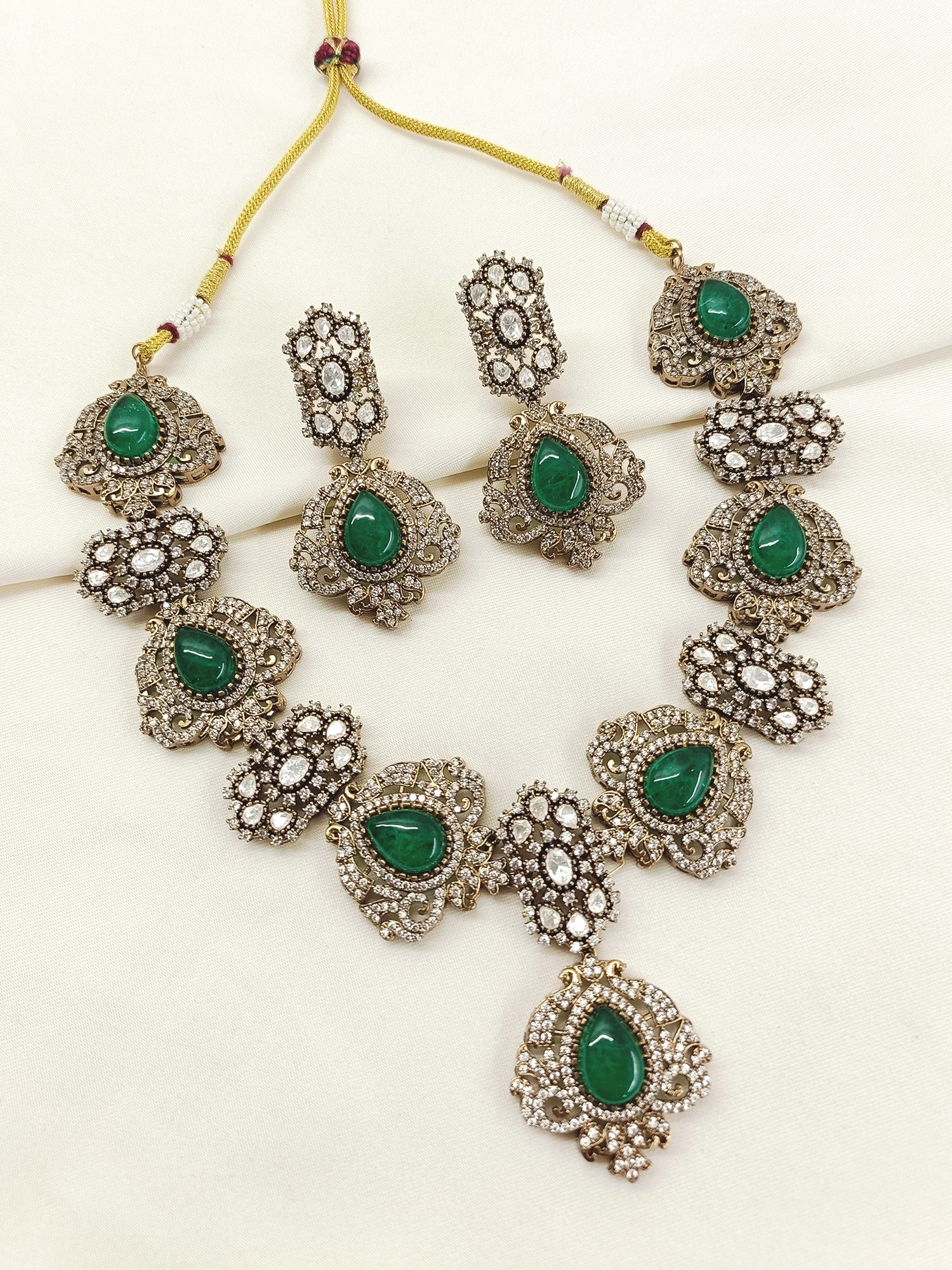
All jewelry lines begin with a sketch, a mood board, or “what if we tried this? moment. It’s not always the idea that’s hard. The challenge is to get it to look the same in the hundredth 10th sample as in the first sample. That space is where many new brands find themselves failing to get through, and that’s where a seasoned manufacturing partner can help you avoid months of trial and error.
Aside from the numerous points we could go over, here’s how S&J goes from concept to collection for a stainless steel design.
Why Stainless Steel Works So Well for Modern Collections
There’s a reason why stainless steel is found in your daily jewellery. It is not prone to tarnishing, is easy to wear, and is comfortable on the skin when the proper grade is used. For brands, it’s also important for keeping costs predictable, while ensuring that the pieces do not appear cheap.
Grades are more important than some think. The corrosion resistance and low nickel release make 316L readily used in jewellery. This makes it more suitable for rings, bracelets, necklaces, and earrings that are worn daily. The early selection of the grade will have an impact on the rest of the process, including the finished grade and the price of the piece per grade.
Turning the Concept into a Technical Brief
A sketch cannot be the only means of production. The first step will be to convert your idea into something a factory can produce – dimensions, wall thickness, weight requirements, clasp type, stone setting (if applicable), and the desired finish.
Here are also some of the practical questions that arise. Do you think a thick chain will be too heavy around your wrist? Does a small bail on a pendant suit for everyday wear? It’s free to catch these things on paper; it costs time and money to catch them after a sample run. A good supplier will have marked them to you earlier, rather than creating something that doesn’t work.
Sampling and Refining the Design
The concept is made tangible in the samples. You get to hold it, wear it, and see what the drawing cannot tell you. The proportions are different in the hand, and a perfect finish can reflect light in unexpected ways.
Expect one or two rounds of adjustments. Maybe the clasp needs to be smoother, or the engraving depth needs tweaking so it stays crisp after plating. This is also the stage where the choice of partner starts to matter. Reliable stainless steel jewelry suppliers will give honest feedback on what can and can’t be made well, rather than simply saying yes to every request. The goal isn’t a perfect first sample. It’s a signed-off sample that becomes the reference standard for the whole collection. Once approved, that piece is what every later batch gets measured against.
Surface Finishing and Plating
Finishing determines the appearance of a piece on day 1 and day 200. There are different finishes for stainless steel, including a mirror polish, brushed, matte, and sandblasting. Brands that choose to achieve gold or rose gold finishes generally opt to incorporate PVD coating, which adheres much more strongly to the steel than conventional plating and will resist normal friction.
The true mark of this is consistency. If the design is solid, but the collection is made up of a range of colors, it will not look professional. When everyone agrees on the standards before the bulk production of the necklace, bracelet, and ring, all of them will match in colour, even if they are produced a week or even 3 months later.
Quality Control Before Bulk Production
This is the stage that helps to safeguard your reputation. Prior to bulk production, a collection should go through Material Grade checks, Weld and Joint strength checks, Surface finish and surface defect checks, Plating adhesion checks, and sizing accuracy checks. Inline inspection during production and final inspection before shipment can detect issues and address them in a timely manner, which is more cost-effective to fix when they are found.
Check for compliance of your material too if you intend to sell in markets that have rigorous material rules, like the EU. A certification such as REACH, SGS testing reports, etc., allows your buyers to feel good about purchasing your product and makes retailing conversations much easier. Before your retailer requests paper trails, it’s better to sort this out before launch.
Scaling Up to a Repeatable Collection
Production-ready doesn’t mean it’s only something that can be produced once. It’s one that can be remade. That includes documented specs, approved reference samples, packaging information, and lead times that are clearly on file, so reorders move quickly.
Also, consider order sizes realistically. A lot of new brands begin with low minimums, try to gauge what sells, and then scale up the successful ones. By working with a supplier that accommodates this, you can continue to expand your business, whether it’s a small first order or a larger repeat order, without having to keep a large inventory full of products you don’t know you’ll be able to sell.
Final Thoughts
Turning a design idea into a product ready for the marketplace is no easy task. It requires clear briefs, careful sampling, consistent finishing, and solid quality control, all in the hands of those who have done it many times before. Once those steps dovetail, your collection is the way you envisioned, and each order that comes in is the same.
When planning to install or expand a stainless steel line, you need to begin with process design, not the cost. Here is how a simple concept becomes a brand that customers return to: A good path from sketch to shipment.
