
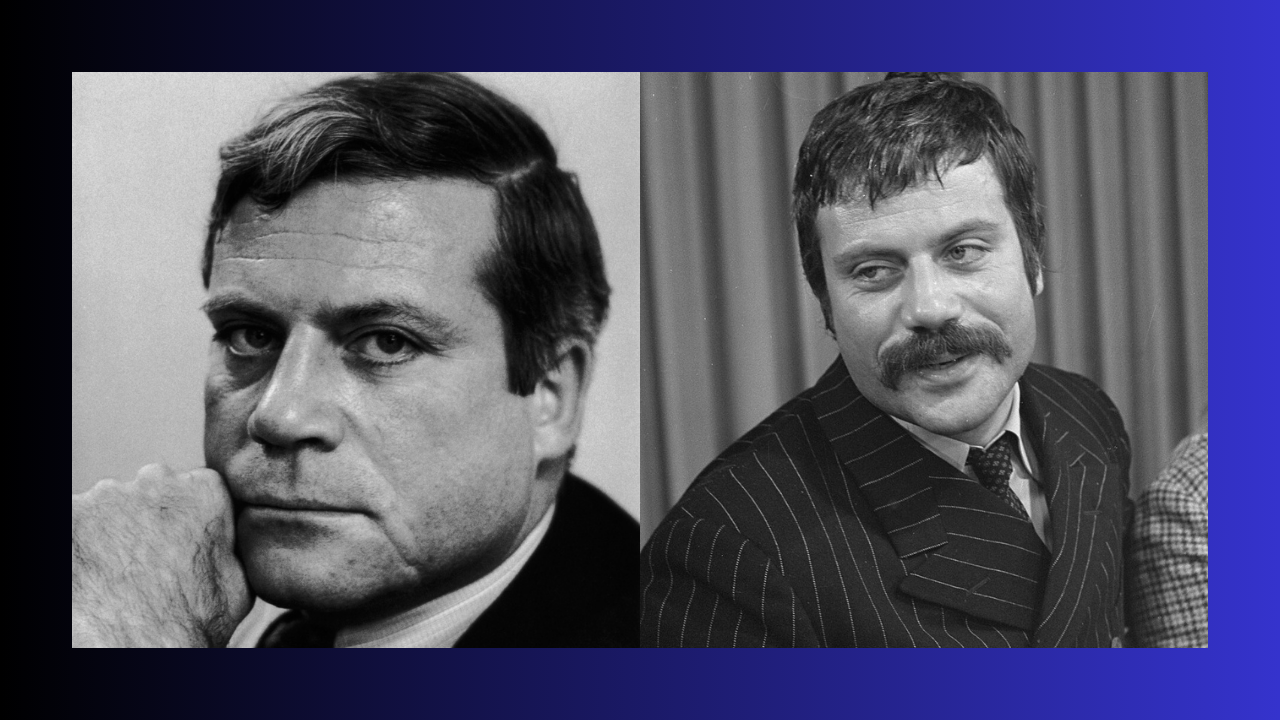
Oliver Reed remains one of Britain’s most talked-about public figures, not only for his commanding presence but also for the intensely personal life that unfolded behind closed doors. Born Robert Oliver Reed on 13 February 1938 in Wimbledon, London, he lived a life marked by extremes—intellectual depth, emotional intensity, and a reputation that often overshadowed the man himself. While much attention has traditionally centered on his public persona, there is a quieter and deeply human story tied to his family life, particularly his relationship with his wife. Understanding Oliver Reed and his wife offers a more complete picture of a man whose private world was far more grounded than many assumed.
Oliver Reed Early Life and Family Background
Oliver Reed was born into a family rich in cultural influence. His lineage included prominent figures known for their contributions to British arts and public life, which placed expectations on him from an early age. Despite this privileged background, Reed’s youth was not without struggle. He was known to be rebellious, often clashing with authority and resisting conformity. These early challenges shaped a personality that was fiercely independent and emotionally complex.
His education and upbringing exposed him to refined intellectual circles, yet he gravitated toward a raw, unfiltered way of living. This duality—refinement mixed with rebellion—became a defining trait throughout his life. It also influenced his relationships, making stability difficult to maintain in his earlier years.
Oliver Reed Personal Life Before Marriage
Before meeting the woman who would become his wife, Oliver Reed experienced significant personal turbulence. He married Kate Byrne in 1960, and the couple had a son together. However, the marriage eventually ended in divorce in 1969. Reed later had a long-term relationship with dancer Jacquie Daryl, with whom he had a daughter.
These relationships revealed a man capable of deep affection but often unable to sustain emotional balance. His intense personality, coupled with the pressures of public attention, made long-term stability a challenge. Still, these early experiences laid the groundwork for personal growth and maturity that would later emerge in his life.
Oliver Reed Meeting Josephine Burge
The most transformative relationship in Oliver Reed’s life began in the early 1980s when he met Josephine Burge. Unlike many who entered his orbit, Josephine had no interest in public recognition or fame. She came from a private background and preferred a quiet life away from media attention.
Their relationship developed gradually over several years, built on mutual understanding rather than spectacle. Despite a noticeable age difference, the bond between Oliver Reed and his wife was rooted in emotional compatibility. Josephine brought calm, patience, and structure into Reed’s life—qualities that had previously been absent or fleeting.
Oliver Reed Marriage and Commitment
Oliver Reed married Josephine Burge on 7 September 1985 in a civil ceremony in Epsom, Surrey. The wedding was modest, reflecting Josephine’s preference for privacy and simplicity. Reed later spoke fondly of their early years together, describing them as some of the happiest of his life.
Marriage marked a turning point for Reed. While he did not completely abandon his intense lifestyle, there was a visible shift in his priorities. His relationship with his wife brought a sense of grounding that had long eluded him. For the first time, he appeared to embrace domestic stability without feeling constrained by it.
Oliver Reed Life Away from Public Attention
Following their marriage, Oliver Reed and his wife chose to live much of their life away from public scrutiny. They spent significant time in rural Ireland, where they maintained a home that allowed them to focus on family rather than fame. This quieter environment suited Josephine’s nature and helped Reed find a degree of peace.
Josephine played a central role in maintaining family harmony. She protected their private life fiercely, ensuring that personal matters remained shielded from public curiosity. This decision allowed Reed to experience a more balanced existence, one defined less by external validation and more by personal fulfillment.
The Role of Oliver Reed’s Wife
Josephine Burge was not merely Oliver Reed’s wife in name; she was a stabilizing force in his life. She offered emotional support without seeking recognition, choosing substance over visibility. Her influence was subtle but powerful, shaping the environment in which Reed spent his later years.
Unlike many partners of public figures, Josephine did not capitalize on her husband’s fame. She avoided interviews and public commentary, reinforcing her commitment to privacy. Her strength lay in consistency, loyalty, and an unwavering focus on family values.
Later Years and Personal Reflection
As Oliver Reed entered the final phase of his life, his priorities increasingly reflected the influence of marriage and family. While his reputation remained bold, those close to him observed a man who had grown more reflective. His home life offered moments of calm and introspection that contrasted sharply with the image often portrayed in the media.
Reed’s marriage did not erase his complexities, but it provided a framework within which he could better manage them. The presence of his wife gave him emotional grounding and a sense of belonging that proved invaluable during his later years.
Death and Aftermath
Oliver Reed passed away on 2 May 1999 while abroad. His death was sudden and deeply felt by those closest to him. For Josephine, it marked the loss of a partner with whom she had shared a deeply personal journey. True to her character, she chose to grieve privately, avoiding public attention and preserving the dignity of their shared life.
Her silence following his death was consistent with how she lived during his life—quietly, purposefully, and away from public judgment.
Legacy Beyond Public Myth
The legacy of Oliver Reed is often discussed in dramatic terms, but his personal life tells a more nuanced story. His marriage reveals a man capable of growth, commitment, and emotional depth. Understanding Oliver Reed and his wife allows for a fuller appreciation of his humanity beyond reputation.
Josephine Burge’s role in his life underscores the importance of unseen support systems. While she remained largely invisible to the public, her influence shaped Reed’s final years in meaningful ways. Together, their story reflects the power of private love in a life lived largely in the public eye.
