
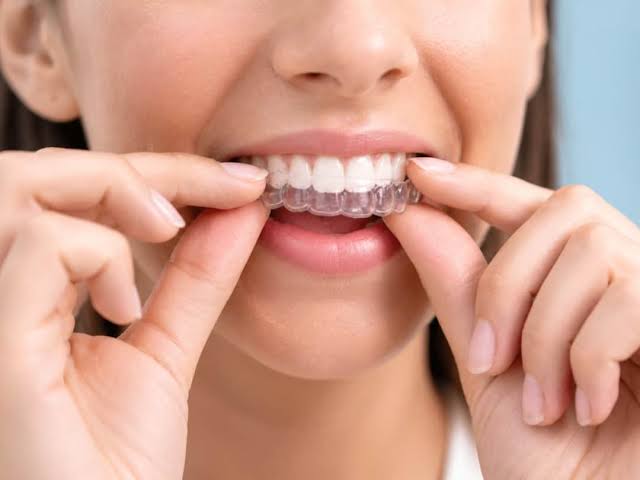
Walk into almost any modern dental clinic across the UK or Europe today, and you will notice a striking shift in the waiting room. Orthodontic care is no longer a rite of passage reserved for teenagers with colourful metal brackets. Working professionals, parents, entrepreneurs, and retirees alike are increasingly investing in straighter, healthier smiles—and most of them are choosing virtually invisible removable trays over fixed wires.
Clear aligner technology has matured dramatically over the past two decades. What began as a niche cosmetic option for minor front-tooth gaps has evolved into a digitally engineered orthodontic system capable of resolving crowding, spacing, deep bites, and relapse from childhood braces. Knowing what the process genuinely involves—from the first 3D scan to daily wear habits and long-term retention—helps adults approach treatment with realistic expectations and confidence.
Why Clear Aligners Have Become the Preferred Choice for Adults
For most adults, the primary barrier to straightening their teeth has never been desire; it has been disruption. Traditional fixed braces affect how you look in client meetings, complicate dining out, and demand meticulous cleaning around brackets and archwires.
Discretion Meets Everyday Flexibility
Clear aligners solve those lifestyle hurdles in two straightforward ways. First, each tray is precision-milled from medical-grade, transparent thermoplastic that sits snugly against the contours of your teeth, making it barely noticeable at normal conversational distance. Second, the trays are completely removable. You take them out to enjoy a meal, drink your morning coffee, brush, and floss normally—meaning no forbidden food lists and no awkward wire-threading routines after dinner.
Beyond convenience, modern aligners also support better periodontal hygiene during treatment. Because adults are statistically more prone to gum sensitivity than adolescents, the ability to maintain unobstructed brushing and flossing throughout orthodontic movement is a meaningful clinical advantage.
Inside the Digital Workflow of Invisalign Treatment
Unlike older orthodontic methods that relied on messy putty impressions and manual wire bending, contemporary Invisalign Treatment is driven from start to finish by high-resolution digital diagnostics and biomechanical modelling.
Step 1: 3D Intraoral Scanning and Smile Simulation
Your journey starts with a comprehensive dental exam, X-rays, and a radiation-free digital scan that builds a micron-accurate 3D model of your teeth and bite in minutes. Using specialised treatment-planning software, your dentist maps out the exact incremental trajectory of every tooth from week one to the final result. Many clinics let you preview a digital simulation of your projected smile before a single aligner is manufactured.
Step 2: Custom Aligner Fabrication and Attachments
Once you and your clinician approve the plan, a custom series of numbered trays is fabricated. Each set applies targeted, gentle micro-forces designed to move specific teeth by fractions of a millimetre before you advance to the next tray—usually every seven to fourteen days.
One detail that occasionally surprises first-time patients is the use of SmartForce attachments. These are tiny, tooth-coloured composite bumps temporarily bonded to select teeth to give the aligner extra grip for rotations or vertical movements. They are discreet, smooth, and polished away completely when treatment finishes.
Step 3: Periodic Check-Ins and Refinements
Because you receive several sets of aligners at once, in-clinic visits are typically spaced every six to eight weeks rather than monthly. Your dentist checks tracking accuracy, ensures attachments remain intact, and verifies gum health. Near the end of the primary series, many patients receive a short refinement set of extra trays to perfect subtle symmetry details.
The Reality of Daily Life with Clear Aligners
Clear aligners offer remarkable freedom, yet their greatest benefit—removability—is also their biggest responsibility. Aligners only move teeth while they are actually in your mouth.
Mastering the 22-Hour Rule
To stay on schedule, adults need to wear their trays for 20 to 22 hours every day, removing them strictly for eating, drinking anything other than plain cool water, and oral hygiene. Leaving trays out for leisurely three-hour brunches or forgetting them after evening snacks quickly slows tooth movement and can cause subsequent trays to fit tightly or fail to seat properly.
Most patients adapt within the first two weeks by building a compact on-the-go routine:
- Carry a Travel Kit: Keep a slim protective case, travel toothbrush, mini toothpaste, and floss picks in your bag or desk drawer so putting trays back in after lunch takes two minutes.
- Avoid Hot Drinks While Wearing Trays: Sipping hot tea or coffee with aligners in can warp the thermoplastic and stain both the trays and underlying enamel.
- Expect Mild Early Adjustments: A slight lisp for the first two or three days is normal as your tongue maps the thin edges of the aligner. Reading aloud at home speeds adaptation dramatically, and gentle tightness during the first 24 to 48 hours of each new tray signals that movement is working as planned.
Realistic Timelines, Candidacy, and Typical Costs
Every smile moves at a pace dictated by biology and case complexity. Mild crowding or post-braces relapse may wrap up in as little as six to nine months, whereas moderate crowding, bite corrections, or wider spacing commonly span twelve to eighteen months.
What Determines Your Timeline?
- Degree of Movement Required: Rotating cylindrical teeth like canines or closing extraction spaces takes longer than aligning slightly tilted incisors.
- Patient Compliance: Consistently hitting 22 hours of daily wear is the single strongest predictor of finishing on time without unexpected mid-course restarts.
- Oral Health Baseline: Healthy gums and bone respond predictably to gentle orthodontic forces; active decay or gum inflammation must always be treated beforehand.
Understanding Investment and Payment Options
Pricing varies based on case complexity (often tiered into Express, Lite, Moderate, and Comprehensive packages), clinician expertise, and whether retainers or post-treatment whitening are bundled. Most reputable clinics provide transparent, itemised quotes up front along with interest-free monthly payment plans so adults can budget comfortably without surprise fees.
Integrating Dental Aesthetics into a Broader Self-Care Routine
Across modern lifestyle and wellness culture, orthodontic care rarely stands alone. Adults who decide to invest a year in perfecting their smile are frequently taking stock of their wider health, energy, and personal presentation at the same time—upgrading skincare, refining strength and mobility routines, prioritising restorative sleep, and seeking smarter longevity habits.
That holistic mindset has sparked growing interest in targeted, evidence-informed wellness strategies that complement visible aesthetic improvements. Alongside nutrition and structured exercise, health-conscious adults exploring recovery, sleep quality, and vitality support increasingly read about clinician-supervised protocols involving compounds such as CJC-1295 ipamorelin as part of a comprehensive approach to feeling as good as they look.
Viewed through that wider lens, clear aligners fit seamlessly into a modern self-care philosophy: steady, low-friction daily discipline that compounds quietly behind the scenes into a lasting upgrade in confidence and wellbeing.
Prioritising Clinical Supervision, Transparency, and Quality Standards
Whenever popular health or cosmetic treatments surge in demand, low-cost shortcuts inevitably follow. In orthodontics, direct-to-consumer mail-order aligners that skip in-person X-rays, bite assessments, and dentist supervision have repeatedly left patients with unresolved bite issues or gum recession.
How to Vet Providers and Wellness Resources Wisely
Whether you are choosing an orthodontic clinic or researching specialist wellness products, applying consistent quality standards protects both your health and your wallet:
- Demand In-Person Diagnostics: A qualified dentist or orthodontist should always evaluate bone levels, root lengths, and jaw alignment via radiographs before recommending clear aligners.
- Look for Clear Documentation and Testing: Never settle for vague marketing promises. Just as discerning dental patients verify clinician credentials and genuine medical-grade aligner materials, informed consumers exploring targeted wellness compounds look for transparent laboratory purity reports on dedicated supplier pages such as verifiedpeptides.com/product/aod9604 rather than relying on unverified third-party claims.
- Ask About Long-Term Aftercare: Before signing any orthodontic treatment plan, confirm whether refinements, final retainers, and post-treatment follow-up reviews are included in your quoted fee.
Keeping Clear Aligners Fresh, Hygienic, and Odour-Free
Because clear aligners sit snugly over your teeth for most of the day and night, keeping both the trays and your enamel spotless is essential for comfort and aesthetics. Trapped food particles or sugary drinks beneath an aligner can accelerate plaque build-up and cause trays to turn cloudy well before your next scheduled switch.
Simple Daily Care Habits That Work
- Rinse Every Time You Remove Them: Saliva dries quickly on thermoplastic trays, leaving a film that harbours odour-causing bacteria. Give aligners a quick rinse under cool or lukewarm water—never boiling water, which can distort their calibrated shape—whenever you take them out.
- Skip Abrasive Toothpaste on Trays: Standard whitening toothpastes contain micro-abrasives that scratch clear plastic, creating tiny grooves where stains settle. Instead, brush trays gently with a dedicated soft toothbrush and clear, unscented liquid soap, or soak them briefly in purpose-made aligner cleaning crystals.
- Always Use the Protective Case: Wrapping aligners in a restaurant napkin during dinner is the single most common way adults accidentally throw trays in the bin. Keeping a slim, vented case in your pocket or handbag saves both replacement fees and unnecessary treatment delays.
Building these effortless maintenance habits takes less than three minutes a day and keeps every set of trays crystal clear from day one to changeover night.
Locking In Your New Smile: Life After the Final Tray
Reaching the final aligner in your box is an unforgettable milestone, yet orthodontics never truly ends on the day your last tray comes off. Teeth sit within living periodontal ligaments that retain elastic memory; without stabilisation, they gradually drift back toward their original positions over the months and years ahead.
Retention and Finishing Touches
To safeguard your investment, your dentist will fit custom retainers—typically slim, clear removable Vivera-style trays worn full-time for a brief initial phase before transitioning to nightly wear indefinitely. Many clinicians also pair removable retainers with a discreet fixed wire bonded behind the lower front teeth for added peace of mind.
Once alignment is complete, subtle finishing touches such as professional boutique whitening or gentle composite edge bonding can elevate a straight smile into a genuinely radiant one, evening out minor chips or wear accumulated before your teeth were aligned.
Modern clear aligners have transformed adult orthodontics from an awkward multi-year compromise into a refined, predictable experience tailored to busy lives. With skilled clinical guidance, consistent daily wear, and committed nighttime retention afterward, achieving a balanced, confident smile has never been more accessible.
