
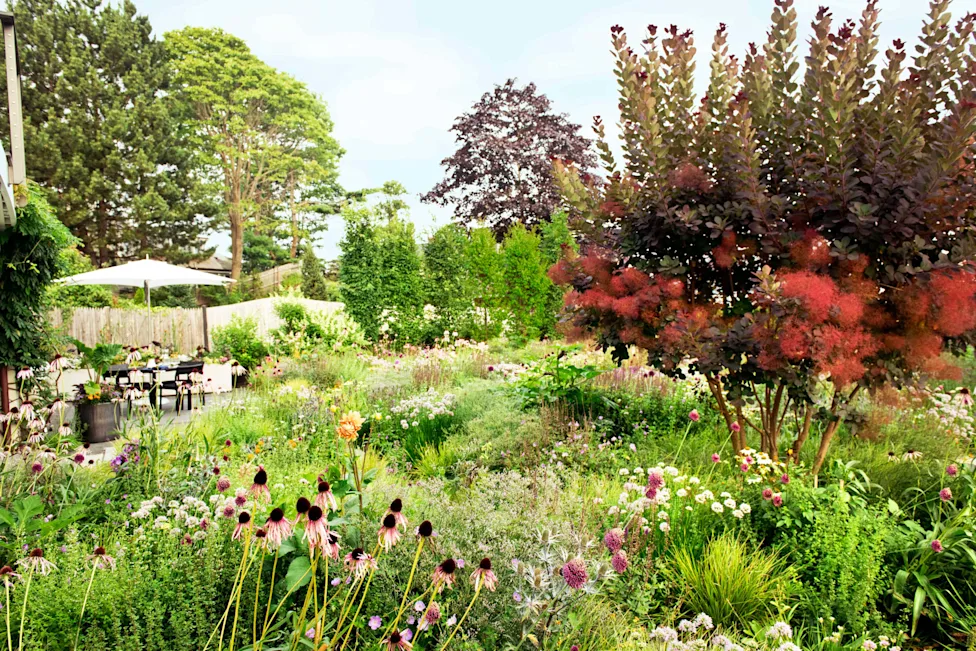
A garden can be one of the most rewarding parts of a home, but it is easy to overlook its potential when everyday life gets busy. Perhaps the lawn needs attention, the fence has seen better days or the outdoor furniture rarely gets used because the space doesn’t feel particularly inviting. Rather than waiting for a major renovation, you can make a few thoughtful changes that turn your garden into somewhere you genuinely want to spend time, whatever the season.
The best place to start is with the features that shape the whole space. Browsing G&G Fencing can help you explore ways to improve your garden’s boundaries, while Slatted fence panels offer a contemporary option for homeowners who want something more decorative than a plain fence. For areas where maintaining natural grass has become a chore, Artificial Grass may also be worth considering, depending on how the space is used and the conditions in your garden.
Create a Space That Works Beyond Summer
Many people think about their gardens mainly during warm weather, when eating outdoors and relaxing in the sunshine seem especially appealing. However, a well-planned garden can remain useful throughout the year. The key is to include features that make the space practical rather than relying entirely on good weather.
A sheltered seating area can provide somewhere to enjoy a mild afternoon, while outdoor lighting makes the garden feel welcoming during darker evenings. If you have room, a small table near the house can become a convenient spot for morning coffee or a quick lunch. You don’t need elaborate outdoor furniture to make the area useful; comfort and a sensible layout matter much more.
It is also worth considering where the sun falls throughout the day. A sunny corner may be perfect for breakfast, while a shaded area could be more comfortable during warmer afternoons. Observing these patterns before arranging furniture can help you make better use of the space.
Give the Garden a Clear Structure
A garden tends to feel more inviting when its different elements work together. Clear boundaries, defined paths and thoughtfully placed planting can create a sense of order without making the space feel overly formal. Even a small garden can feel spacious when there is a clear route through it and enough room to move comfortably.
Start by deciding what you want the garden to do. If entertaining is important, make sure there is sufficient room around the table and chairs. If you enjoy gardening, leave space for flower beds or containers. Families may prefer an open area for children to play, while those looking for a quiet retreat might prioritise a secluded seating corner.
Avoid filling every available space simply because it is empty. Open areas can be just as valuable as decorative features, particularly in smaller gardens where too many objects can make everything feel cramped.
Choose Plants That Suit Your Lifestyle
Plants bring colour, texture and movement to a garden, but they should also suit the amount of time you have available. If you enjoy spending weekends tending to flowers, a more elaborate border might be rewarding. If you prefer minimal maintenance, choose plants that are suited to your local climate and don’t require constant watering or pruning.
A mixture of evergreen shrubs and seasonal flowers can provide interest throughout the year. Evergreen plants give the garden structure when other plants lose their leaves, while flowering varieties add colour during their growing seasons. Containers are useful if you want flexibility, since they can be moved or replanted as your preferences change.
Think about the mature size of plants before buying them, too. A shrub that looks small at the nursery may eventually take over a narrow border, while vigorous climbers may require more maintenance than expected. A little research at the planning stage can save considerable effort later.
Make Maintenance Part of the Plan
An attractive garden should not become a source of constant frustration. Consider the work required to maintain every feature before committing to it. Natural grass needs mowing, plants require appropriate care, and outdoor furniture may need cleaning or protection from the weather. Choosing materials and plants that fit your routine makes it easier to keep everything looking good.
If you are considering artificial turf, remember that although it removes the need for mowing, it still needs occasional cleaning and suitable installation. Drainage, surface temperature and the needs of children or pets are all worth considering before making a decision.
It can also help to divide garden maintenance into manageable tasks. A short weekly tidy, occasional pruning and periodic checks of fences and paths can prevent small problems from becoming major projects.
Enjoy the Garden You Have
You don’t need a perfect lawn, expensive furniture or an elaborate landscape design to enjoy spending time outdoors. A comfortable place to sit, a little greenery and a layout that suits your routine can make a significant difference to everyday life.
The most successful garden is one that reflects how you actually live. By improving the structure, choosing suitable plants and making maintenance manageable, you can create an outdoor space that feels welcoming throughout the year rather than somewhere you only appreciate for a few weeks in summer.
