
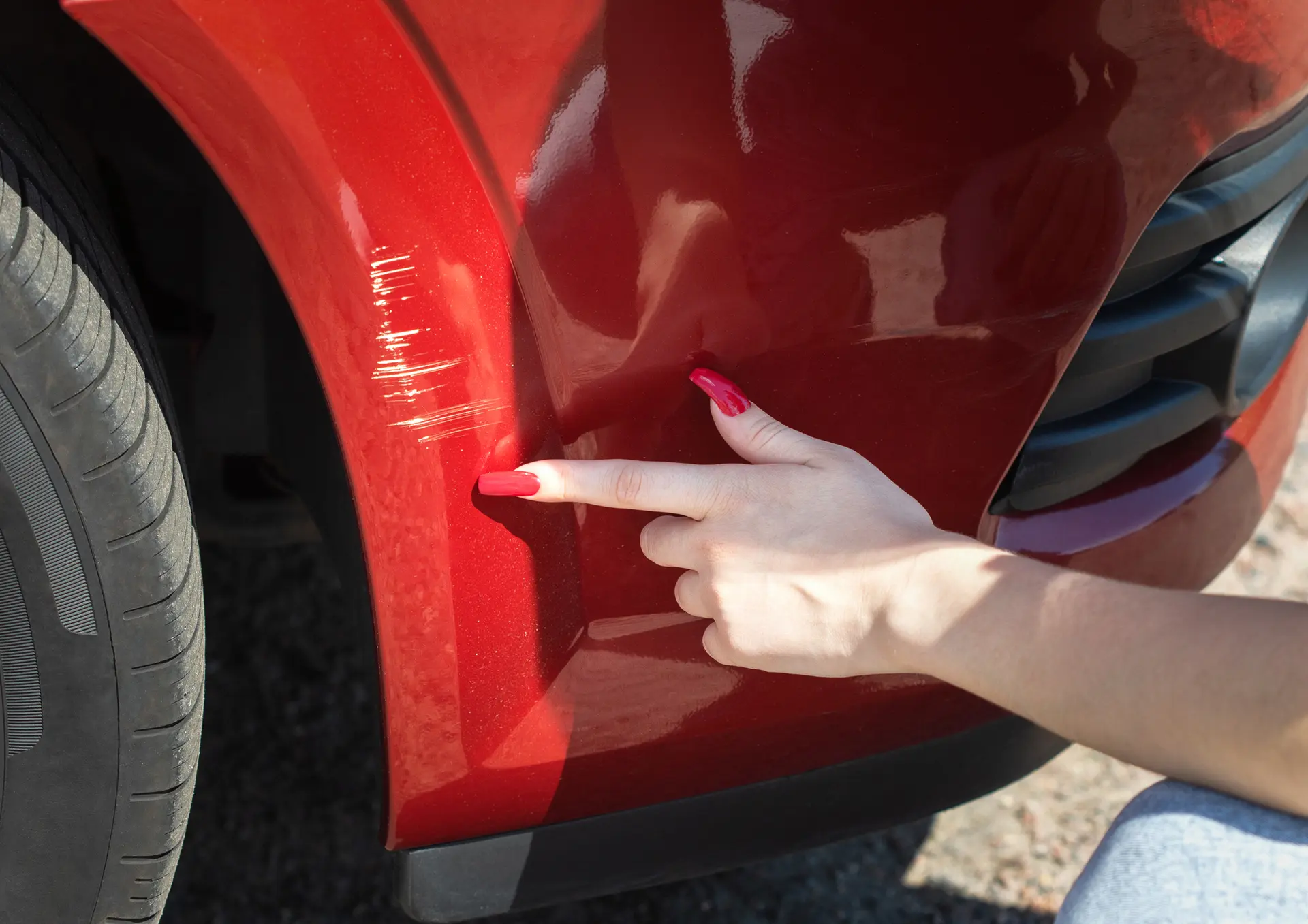
For the most part, minor paint damages, like stone chips, light scratches, and small scuffs, can be fixed by oneself using a paint touch-up kit. Which costs around 20 to 40, rather than shelling out 150 or more at a body shop. The process is essentially about cleansing the area, getting your car’s paint colour matched exactly. Layering up through thin coats, and finally sealing with a clear coat. If done meticulously. The repair is barely noticeable from an average viewing distance and can last for several years.
This type of home repair is ideal for minor and superficial damage. For instance, it is quite easy to fix a pinhead-sized paint chip. A scratch that has only removed the clear coat, or a bunch of road-rash marks on the bonnet. But, deep cuts, dents with paint cracks, or anything that takes a full panel respray are the cases. Where a professional earns his money. So the first real skill is to determine the type of job you have.
Working Out Which Repairs You Can Do Yourself
Before making a purchase, try to run your nail across the damage. If your nail gets stuck in the groove but you still see the color underneath. That means the scratch has only gone through the clear coat or paint layer, and these are the easiest kinds of scratches to repair. Still, if you find grey primer or bare metal at the bottom of the scratch, the damage is so deep that it will require reconstructing the layers step by step. It is possible to do this, but it takes more patience.
Besides the depth of the scratch, the size is equally important. Plants usually suggest that any scratch smaller than a five pence coin is definitely in the DIY category. While damage larger than that or a dent that has caused deformation of the panel should be left to a professional for repair. Besides this, the location also plays a role. A flat, easily accessible panel like a bonnet or door can be more forgiving But a sharp body line. A bumper corner, or a curved edge is much more difficult to blend and. Because of this, worth a second thought. Rust turns everything around. If the chip has already started bubbling up or turning brown. You will have to treat the corrosion first. Since painting over the rust that is still active will only hide it for a few weeks before it comes out again.
What You Need and What It Costs
A basic home repair surprisingly calls for very little. Colour-matched touch-up paint, a clear coat. Something fine to apply it with, and a clean surface to start from are what you need to cover most chips and scratches. Generally, a full kit costs only 20 to 40. While body shop quotes for the same cluster of marks usually start at around 150 and then increase based on the panel.
The hardly noticed element of the painting process is the one that really makes a difference. White spirit or a panel wipe to remove wax and grease. Primer for any chips down to bare metal, a fine brush or even a cocktail stick for excellent control of marks smaller than a couple of millimetres. As a rule, the brush in most bottle lids is just too coarse for a small chip and tends to flood the area. Which is why a finer applicator gives cleaner results. One bottle of colour goes a long way, as each chip needs only a tiny amount. So a single kit usually covers every stone chip on the front of an average car with plenty left over.
Matching Your Car’s Paint Colour Correctly
Colour matching is where most home repairs succeed or fail, and it has almost nothing to do with how steady your hand is. Every car carries a paint code, printed on a sticker usually inside the driver’s door jamb. Under the bonnet, or in the boot near the spare wheel. That code, not a guess at “silver” or “metallic grey,” is what gets you a match that disappears rather than one that stands out.
Paint also fades with age and UV exposure. So a five-year-old finish is not quite the colour it left the factory as, which is why generic pots from a parts shelf so often look slightly off. Systems built around your specific code take most of that risk out of the job. Products designed to fix car scratch damage using a code-matched colour alongside a blending solution and cleaning materials follow one consistent method. Which matters most on metallic and pearl finishes where the flake catches light differently from every angle and is the hardest thing to fake with an off-the-shelf bottle.
The Step-by-Step Repair Process
First, clean the spot with soapy water, dry it, and then wipe it down with panel wipe or white spirit to remove wax and grease. Ignoring this step is by far the most common cause of a repair lifting or beading up within a few weeks. Any rust should be eliminated by sanding with a very fine grit or using a rust remover until you reach clean metal. Then, any chip that has penetrated beyond the colour layer should be primed. Instead of trying to patch up the chip in one go. Use several thin layers of paint. Our natural tendency is to try and fill the chip in a single pass, but a raised bump will not only dry unevenly but will also draw attention exactly because it stands out from the surrounding paint. Layer the bud with two or three thin coats, allowing the drying time stated on the product, typically fifteen to thirty minutes, before adding the next. Don’t overpaint the area around the chip; just fill the chip so that it is level with the surface.
When the paint has hardened and is level with the other surface, a clear coat on top will seal it and restore the shine. Finally, don’t touch it. Paint may seem dry to the touch after an hour but it takes a full day or two to harden completely and washing the vehicle too soon can actually pull the fresh paint out of the repair.
Setting Realistic Expectations for the Result
A home repair is just a repair, not a complete re-spray. If you go in expecting a flawless showroom finish, you will likely be setting yourself up for disappointment. Even if you repair the chip in a striking light at close range, you could still see where it was. But, a well-done repair from a distance of about two meters, in usual conditions, blends so well that it is hardly noticed, and that is the level of a DIY repair that a prudent person aims for.
Your repair mainly protects and keeps the value of your car. The sealing of a chip prevents the penetration of water to the metal underneath, Because of this preventing the change of a simple mark on the surface into a rust problem. This is what separates a 30 job now and a bodywork bill in the future. Besides this, it also keeps the car looking neat, which is an important factor at resale because a buyer or part-exchange dealer equates a clean exterior with a well-maintained car. There will be different individuals who will assess this aspect differently.
A person who drives the same car for 10 years is more concerned about protecting the metal, while another person who is planning to sell the car next year is more interested in protecting its value. Still, the inexpensive home repair is good for both purposes.
The best habit you can form is to repair the damage in the same week that it happens instead of allowing chips to accumulate until you end up with a job that you continuously avoid. A new chip can be done with paint and just a few minutes of your time and a short wait. Then again, the same chip that you leave throughout a wet and salted winter will result in rust, primer, and a longer afternoon, so the cheapest option for this kind of repair is almost always the one you do first.
Visit More : widemagazine.co.uk
