
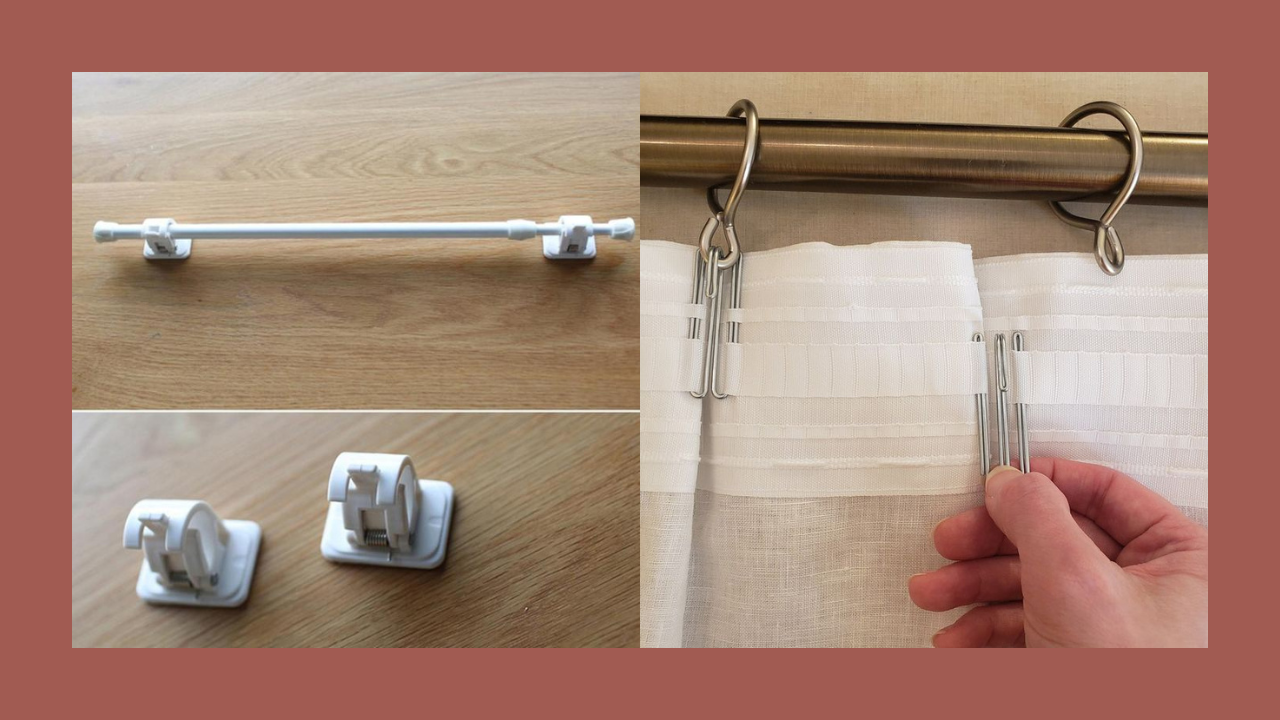
Curtain hooks are one of the most overlooked yet essential components of window treatments. While curtains and drapes often receive the most attention for their fabrics, colors, and patterns, the hooks that hold them in place play a critical role in both appearance and functionality. Choosing the right hooks for drapes can transform how your curtains hang, how they move, and how they enhance your interior design.
In this comprehensive guide, we will explore everything you need to know about hooks for drapes and curtain hooks for drapes, including their types, uses, materials, installation tips, and styling ideas to help you create elegant and practical window coverings.
What Are Hooks for Drapes and Why Are They Important?
Hooks for drapes are small hardware accessories designed to attach curtains or drapes to rods, tracks, or rings. These hooks are usually inserted into the top header of the drapery fabric and then connected to the hanging system. Their main purpose is to secure the fabric, distribute weight evenly, and ensure the drapes hang smoothly.
Curtain hooks for drapes are essential because they determine how the fabric folds, how high the drapes sit, and how easily they open and close. Without proper hooks, even the most expensive drapery fabric can look messy, uneven, or poorly installed. Hooks also help maintain pleats and prevent sagging, which is especially important for heavy drapery fabrics.
Hooks for Drapes Different Types of Curtain Hooks for Drapes
There are many types of curtain hooks available, each designed for specific curtain styles, fabrics, and hanging systems. Understanding these types will help you select the best hooks for your drapes.
Pin Hooks (Drapery Pins)
Pin hooks are one of the most commonly used hooks for drapes. They feature a sharp pin that inserts into the back of the curtain header, while the curved hook attaches to rings or tracks. These hooks are ideal for pleated drapes, such as pinch pleat or pencil pleat curtains. Pin hooks are available in different sizes and strengths, making them suitable for both lightweight and heavy fabrics.
Pleat Hooks and Prong Hooks
Pleat hooks, also known as prong hooks, are designed specifically to create uniform pleats in drapery fabric. They come in single, double, or multi-prong designs and are inserted into the curtain tape to form structured folds. These hooks are perfect for formal drapes and elegant living spaces where a tailored look is desired.
S-Shaped Hooks
S-shaped hooks are versatile and easy to use. One end of the hook attaches to the curtain, while the other hangs onto a rod or ring. These hooks are commonly used for lightweight curtains and casual settings. They are also useful when you need adjustable hanging height.
Clip Hooks and Clip Rings
Clip hooks combine a clip and a hook, allowing you to attach curtains without sewing or inserting pins. These are ideal for sheer curtains, temporary installations, or decorative panels. Clip hooks are simple to install and remove, making them a popular choice for renters and DIY enthusiasts.
U-Shaped or French Hooks
U-shaped hooks, often called French hooks, are used in high-end drapery systems. They sit inside the curtain header and provide a clean, professional finish. These hooks are commonly used in hotels, theaters, and luxury homes because they maintain neat pleats and smooth movement.
Materials Used in Curtain Hooks for Drapes
Curtain hooks for drapes are available in various materials, each offering different levels of durability, appearance, and cost.
Metal Curtain Hooks
Metal hooks are the most durable and widely used option. They are typically made from steel, brass, or aluminum and are ideal for heavy drapes. Metal hooks provide strong support and a sleek appearance, but they may require rust-resistant coatings in humid environments.
Plastic Curtain Hooks
Plastic hooks are lightweight, affordable, and easy to install. They are suitable for lightweight curtains and casual settings, such as kitchens or bathrooms. Plastic hooks are also resistant to moisture, making them practical for high-humidity areas.
Wooden Curtain Hooks
Wooden hooks are less common but offer a decorative, rustic appearance. They are often used in traditional or farmhouse-style interiors. While visually appealing, wooden hooks are best for lightweight to medium-weight drapes.
How to Choose the Right Hooks for Drapes
Selecting the right hooks for drapes depends on several factors, including fabric weight, curtain style, and hanging system.
Consider the Weight of the Drapes
Heavy drapes, such as velvet or blackout curtains, require strong metal hooks with reinforced prongs. Lightweight fabrics, such as sheers or cotton panels, can use plastic or clip hooks.
Match Hooks with Curtain Header Style
Different curtain headers require specific hook types. Pleated curtains work best with pin hooks or pleat hooks, while rod-pocket or tab-top curtains may not require hooks at all. Clip hooks are ideal for flat panels and decorative curtains.
Check Compatibility with Rods and Tracks
Make sure the hooks you choose are compatible with your curtain rod, rings, or track system. Some hooks are designed for traverse rods, while others are better suited for decorative rods or curtain tracks.
How to Install Curtain Hooks for Drapes
Installing curtain hooks correctly ensures your drapes hang evenly and look professional.
Step 1: Prepare the Curtain Header
Lay the curtain flat and locate the header tape or pleats. Mark where each hook will be inserted to ensure even spacing.
Step 2: Insert the Hooks
Insert the pointed end of the hook into the back of the curtain header or tape. Make sure the hook is not visible from the front to maintain a clean appearance.
Step 3: Attach Hooks to Rings or Tracks
Hang the hooks onto curtain rings, rods, or track carriers. Adjust the spacing to ensure the drapes hang evenly and smoothly.
Step 4: Adjust the Height and Pleats
After hanging the drapes, adjust the hook placement to achieve the desired height and pleat depth. This step is essential for creating a polished look.
Maintenance and Care of Curtain Hooks for Drapes
Proper maintenance of curtain hooks helps extend their lifespan and keeps your drapery system functioning smoothly.
Cleaning Curtain Hooks
Regularly clean metal hooks with a dry or slightly damp cloth to prevent dust buildup. Plastic hooks can be washed with mild soap and water.
Preventing Rust and Wear
In humid environments, use rust-resistant hooks or apply a protective coating. Avoid overloading hooks with heavy fabric to prevent bending or breakage.
Replacing Worn Hooks
If hooks become bent, broken, or loose, replace them immediately to prevent uneven hanging and damage to the curtain fabric.
Common Problems with Curtain Hooks and How to Fix Them
Even with proper installation, curtain hooks may encounter issues over time.
Hooks Slipping or Falling Off
This problem often occurs when hooks are not inserted properly or are too small for the fabric. Use larger or stronger hooks and ensure they are securely attached.
Uneven Curtain Hanging
Uneven hanging usually results from incorrect hook spacing. Measure and space hooks evenly to achieve a balanced appearance.
Noise and Friction on Tracks
Metal hooks may create noise when sliding on tracks. Lubricate tracks lightly or use hooks with smooth coatings to reduce friction.
Styling Tips for Using Curtain Hooks for Drapes
Curtain hooks are not just functional; they also contribute to the overall design and style of your window treatments.
Hooks for Drapes Create Elegant Pleats
Use pleat hooks to create structured folds for a formal and luxurious look. This style works well in living rooms, dining rooms, and bedrooms.
Achieve a Casual Look with Clip Hooks
Clip hooks provide a relaxed and modern appearance. They are perfect for contemporary interiors and lightweight curtains.
Coordinate Hook Finish with Décor
Choose hook finishes that match your curtain rods, furniture, or room décor. For example, brass hooks complement classic interiors, while black or chrome hooks suit modern designs.
Layer Curtains for Depth
Use multiple hooks to layer sheer curtains with heavier drapes. This technique adds depth, light control, and privacy while enhancing the room’s aesthetic.
Benefits of Using Quality Curtain Hooks for Drapes
Investing in high-quality curtain hooks offers several advantages:
- Improved curtain appearance and structure
- Smooth opening and closing of drapes
- Enhanced durability and support for heavy fabrics
- Better control over curtain height and pleat design
- Professional and polished window styling
Conclusion
Hooks for drapes and curtain hooks for drapes may seem like small accessories, but they play a major role in the functionality and appearance of your window treatments. From pin hooks and pleat hooks to clip hooks and S-shaped hooks, each type serves a specific purpose and style. Choosing the right hooks, installing them correctly, and maintaining them properly can significantly enhance the look and performance of your curtains.
Whether you are designing a formal living room, a cozy bedroom, or a modern office space, selecting the right curtain hooks for drapes will ensure your curtains hang beautifully and function effortlessly. By understanding the types, materials, and styling techniques discussed in this guide, you can make informed decisions and create elegant, well-structured window coverings that elevate your interior décor.
