
Introduction
Many people believe that sexually transmitted diseases always show clear symptoms. However, the reality is quite different. Several Sexually Transmitted Infections are known as “silent infections” because they may not show noticeable signs for weeks, months, or even years. During this time, the infection can quietly damage the body and spread to others.
This is why regular STD testing is extremely important, even if you feel completely healthy. In this article, we will explore hidden STDs, why they are dangerous, when to get tested, and how IV drip therapy can support recovery.
What Are Hidden STDs?
Hidden STDs are infections that do not show obvious symptoms in their early stages. A person may carry the infection without knowing it, making it easier to unknowingly transmit it to sexual partners.
These infections are particularly dangerous because they can lead to serious health complications if left untreated. Early detection through testing is the only reliable way to identify them.
Common Silent STDs You Must Test For
1. HIV (Human Immunodeficiency Virus)
HIV is one of the most well-known silent infections. In its early stages, it may cause mild flu-like symptoms or no symptoms at all. Over time, it weakens the immune system, making the body vulnerable to other infections.
2. Chlamydia
Chlamydia is a very common STD that often shows no symptoms, especially in women. If not addressed in time, it may result in severe complications, including infertility.
3. Gonorrhea
Gonorrhea can also remain silent in many cases. When symptoms do appear, they may be mild and easily ignored, such as slight discomfort during urination.
4. Human Papillomavirus (HPV)
Human Papillomavirus often does not show symptoms. Some strains can lead to serious health conditions, including cervical cancer.
5. Genital Herpes
Genital Herpes may remain dormant in the body for long periods. The virus can still spread even when no visible sores are present.
Why Silent STDs Are Dangerous
Hidden STDs are dangerous because they progress without warning. Some major risks include:
- Long-term damage to reproductive organs
- Increased risk of infertility
- Weakened immune system
- Transmission to sexual partners
- Complications during pregnancy
Because symptoms may not appear, many people delay testing, which increases the risk of complications.
When Should You Get Tested?
Regular STD testing is the best way to protect your health. You should get tested if:
- You have had unprotected sex
- You have multiple sexual partners
- You are starting a new relationship
- Your partner has been diagnosed with a sexually transmitted infection.
- You want routine health screening
Even without symptoms, testing once a year (or more frequently if at risk) is highly recommended.
How Are Silent STDs Detected?
STD testing is simple and usually includes:
- Blood tests for infections like HIV
- Urine tests for infections like chlamydia and gonorrhea
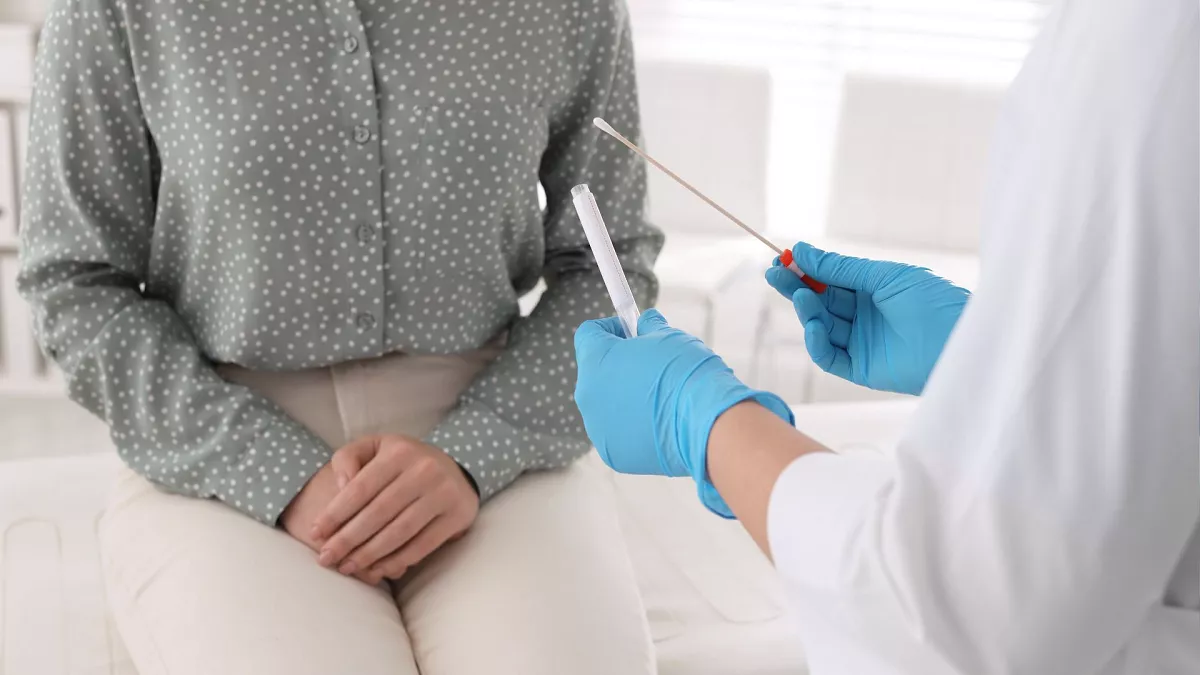
- Swab tests for detecting localized infections
These tests are quick, confidential, and widely available.
What is IV Drip Therapy Treatment?
IV Drip Therapy is a treatment method where fluids, vitamins, and nutrients are delivered directly into the bloodstream through an intravenous line. This allows faster absorption and immediate effect compared to oral intake.
It is commonly used in medical settings and wellness clinics to improve hydration, boost immunity, and support recovery.
Role of IV Drip Therapy in STD Recovery
It is important to understand that IV drip therapy is not a cure for STDs. However, it can provide supportive benefits during treatment and recovery.
1. Boosts Immunity
IV drips often contain essential vitamins such as Vitamin C and B-complex, which help strengthen the immune system.
2. Enhances Recovery
STD infections can cause fatigue and weakness. IV therapy helps restore energy levels and supports the healing process.
3. Improves Hydration
Proper hydration is essential for recovery. IV fluids help maintain fluid balance and improve overall body function.
4. Medical Support in Severe Cases
In advanced conditions, especially with infections like HIV, IV medications may be required under hospital supervision.
Important Note
IV drip therapy should only be used as a supportive treatment. The primary treatment for STDs includes:
- Antibiotics for bacterial infections
- Antiviral medications for viral infections
Seek guidance from a qualified healthcare provider to get an accurate diagnosis and appropriate treatment.
Conclusion
Hidden STDs are a serious health concern because they often show no symptoms while silently affecting the body. Regular testing is the only reliable way to detect these infections early and prevent complications.
While IV drip therapy can support recovery by improving hydration and boosting immunity, it should never replace proper medical treatment. Being aware, getting tested regularly, and taking timely action can help you stay healthy and protect others.
Your health is in your hands—don’t ignore what you can’t see.
Visit More : widemagazine.co.uk
