
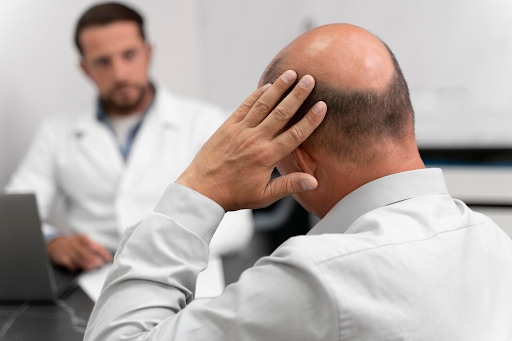
Understanding Male Hair Loss and Why It Happens
Why Hair Loss Is Common in Men
Hair loss is a widespread concern for men and can begin at different stages of life. Hair loss can begin subtly for some people in their twenties, while others may face rapid shedding later in life triggered by stress, health issues, or hormonal shifts. Male hair loss is not a single condition but a group of disorders that affect hair growth, follicle strength, and scalp health. Identifying the specific kind of hair loss matters, as different causes require different treatment approaches.
Many men hesitate to consult experts, believing that hair loss is unavoidable. While genetics play a major role, many forms of hair loss can be managed or improved when addressed early with the right medical or clinical support.
Common Types of Hair Loss in Men
Androgenic Alopecia for Male Pattern Hair Loss
The most prevalent type of hair loss in men is androgenic alopecia, commonly referred to as male pattern baldness.This condition is genetic and hormone related, involving sensitivity of hair follicles to dihydrotestosterone. Gradually, the impacted hair follicles diminish in size, leading to finer hair and eventually halting growth.
In men, hair loss often progresses in a recognizable way, beginning with a retreating hairline, thinning around the temples, or slow thinning at the top of the head. Although this condition is progressive, early intervention can help slow its advancement and preserve existing hair.
Alopecia Areata and Autoimmune Hair Loss
Alopecia areata is a disorder where the body’s immune system targets hair follicles, causing hair loss. This can cause rapid hair loss, typically forming circular or oval bald spots on the scalp or elsewhere on the body. Unlike androgenic alopecia, alopecia areata can occur suddenly and does not follow a predictable pattern.
The severity varies from small isolated patches to more extensive hair loss. Because the follicles remain alive, regrowth is possible, especially with appropriate alopecia areata treatments guided by medical professionals.
Telogen Effluvium and Stress Related Shedding
Another common condition affecting men is telogen effluvium. Hair loss of this type is often short-term and can result from factors such as emotional or physical stress, illness, surgery, lack of proper nutrition, or hormonal fluctuations. Recognising telogen effluvium symptoms early helps differentiate it from other types of hair loss.
Men experiencing telogen effluvium may observe a significant amount of hair falling out during washing or combing. Instead of distinct bald spots, the hair might look generally thinner. Once the underlying trigger is addressed, hair growth often resumes naturally over time.
Recognising Symptoms Early
Early Warning Signs to Watch For
Hair loss rarely happens overnight. Initial indicators may involve more hair shedding, thinning around the crown, a broader parting, or changes in hair texture. Men might first recognize hair loss when their hairstyle appears less voluminous or the scalp becomes more apparent in specific lighting.
Determining if hair loss is due to male pattern baldness, telogen effluvium, or an autoimmune condition is essential for selecting the appropriate treatment.
Emotional Impact of Hair Loss
Hair loss can significantly affect self confidence, body image, and emotional wellbeing. As their hair undergoes changes, many men may feel stressed or uneasy. Seeking professional guidance not only supports hair regrowth but also provides reassurance and clarity about what can realistically be achieved.
Professional Diagnosis and Assessment
Why Medical Evaluation Matters
An expert evaluation can identify the root reasons behind hair loss. Clinics may evaluate scalp health, hair density, growth patterns, and medical history. Blood tests or scalp examinations may be used to rule out nutritional deficiencies, hormonal imbalances, or autoimmune conditions.
Accurate diagnosis ensures that treatments are targeted and effective rather than relying on generic solutions that may not address the real issue.
Treatment Options for Male Hair Loss
Managing Androgenic Alopecia
Male androgenic alopecia treatment typically aims to slow hair loss and improve the health of existing hair. This can involve the use of topical solutions, oral medications, or non-invasive clinical procedures that help maintain follicle activity.
Although this type of hair loss cannot be completely undone, starting treatment early can help slow additional thinning and enhance the hair’s overall look.
Alopecia Areata Treatments
Alopecia areata treatments aim to calm the immune response and encourage hair regrowth. Treatment for alopecia areata varies with the condition’s severity and may involve topical medications, injections, or light therapy. Since the disease is unpredictable, regular check-ups and guidance from healthcare professionals are important
Some men experience spontaneous regrowth, while others require long term management. Supportive treatment plans help improve outcomes and reduce recurrence.
Treating Telogen Effluvium
Addressing focuses on identifying and resolving the trigger. Stress management, improved nutrition, treatment of underlying medical conditions, and time are often the most effective solutions.
Telogen effluvium, unlike hereditary hair loss, often improves as the body recovers. Hair generally starts to regrow within a few months once the underlying cause is resolved.
Advanced Clinical and Supportive Therapies
Scalp and Follicle Support Treatments
Modern clinics offer therapies designed to improve scalp circulation, reduce inflammation, and create an environment that supports healthy hair growth. These treatments may be used alone or alongside medical therapies to enhance results.
Men see the best results when hair loss treatments are customized to their individual condition instead of using a one-size-fits-all method.
Lifestyle and Preventative Care
Lifestyle factors such as diet, sleep, stress levels, and scalp care play an important role in hair health. Inadequate diet or ongoing stress may contribute to hair loss and hinder regrowth, while expert recommendations often focus on lifestyle changes that promote lasting improvement.
When to Seek Professional Help
Timing Makes a Difference
Early intervention improves outcomes for most hair loss conditions. Men who address early signs of hair thinning or shedding have more treatment choices and a higher likelihood of maintaining their hair.
Postponing treatment can result in more severe hair loss that becomes difficult to control. Seeking advice from a specialist offers guidance and clear steps throughout the process.
Setting Realistic Expectations
Understanding What Treatments Can Achieve
Hair loss treatments aim to slow progression, improve density, and support regrowth where possible. Outcomes may differ based on individual health, genetic factors, and how consistently the treatment is followed. A professional approach helps set realistic expectations and avoids disappointment.
Consistency, patience, and follow up care are essential components of successful hair management.
Conclusion
Hair loss in men is complex and influenced by genetics, health, and lifestyle factors. Understanding the differences between androgenic alopecia for male, autoimmune related hair loss requiring alopecia areata treatments, and temporary shedding associated with telogen effluvium symptoms is essential for choosing effective care. With accurate diagnosis and tailored treatment, many men can manage hair loss successfully and maintain healthier hair over time. Seeking professional guidance early provides the best opportunity for positive outcomes and long term confidence.
Visit More : widemagazine.co.uk
