
Kidney stones and ESWL often come with anxiety, discomfort, and a flood of conflicting information. Before consulting a medical professional, many individuals encounter firm opinions about different treatment options, particularly shock wave therapy. While some of these statements may seem believable, others can cause confusion or unnecessary concern.
Knowing the facts helps you make clearer, more confident decisions. Read on to distinguish common misconceptions from the real medical truths about ESWL and kidney stones.
How ESWL Works
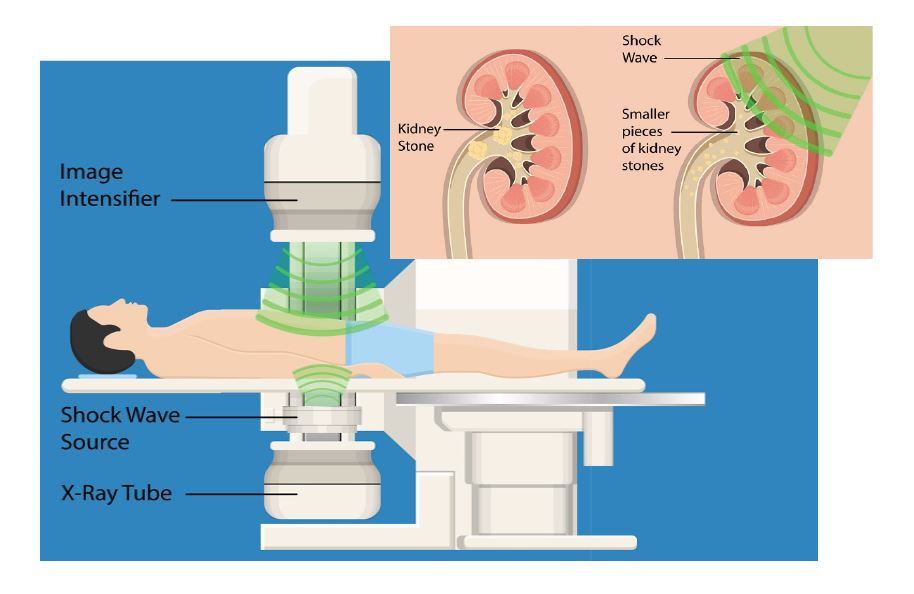
ESWL, or Extracorporeal Shock Wave Lithotripsy, is a medical procedure that employs targeted sound waves to break kidney stones into tiny fragments, allowing them to be naturally expelled through urine.
ESWL is typically used for stones that are appropriately sized and positioned, provided there is no ongoing infection or obstruction. In the UK, it is an accepted treatment option through both NHS and private urology services.
How Doctors Decide If ESWL Is Suitable
Not all individuals with kidney stones are suitable for shock wave therapy. Doctors evaluate aspects like the size and location of the stone, body anatomy, and general health before deciding on treatment. For instance, stones located lower in the urinary tract may not break up as easily.
A thorough evaluation highlights the importance of consulting a ESWL procedure at Urocare specialized clinic. At Urocare, every decision regarding your ESWL procedure is guided by experienced consultant urologists and backed by advanced diagnostic imaging. on individual clinical findings, not a one-size-fits-all approach.
Myth One: ESWL Is Extremely Painful
Many people assume that ESWL always leads to intense pain, but the experience differs for each individual. Some patients report only mild tapping sensations, while others may require minimal pain medication. Advances in technology and precise stone targeting help minimize discomfort during the procedure.
Discomfort may be experienced after treatment as the stone fragments move, although this sensation is usually unlike the pain caused by the original stone.
Myth Two: ESWL Guarantees Stone Removal in a Single Session
It’s often assumed one session is enough. Medically, that isn’t always the case. Stone size, hardness, and position affect results. Certain stones break readily, whereas others may require multiple treatments.
Imaging is often performed afterward to monitor progress and determine if additional treatment is necessary. Follow-up imaging is commonly used to check progress and decide whether further treatment is needed.
Myth Three: ESWL Damages the Kidneys
Many worry about long-term kidney damage. Research indicates that ESWL can be a safe option for carefully chosen patients. The procedure directs shock waves specifically at kidney stones, sparing surrounding healthy tissue. Physicians evaluate factors such as kidney function, stone composition, and the patient’s medical history before suggesting treatment. This careful screening helps reduce risk.
Myth Four: ESWL Works for Every Kidney Stone
Another misconception is that ESWL suits all stones. Medically, that’s unlikely. Stones that are particularly large or dense may not break apart effectively. In these situations, alternative treatments are considered, demonstrating that urology care is personalized rather than one-size-fits-all.
Myth Five: Recovery Takes Weeks
Some expect long recovery periods. Most individuals can resume their usual activities within a few days, based on their comfort level. Staying hydrated is recommended to aid the passage of fragments. Some may experience temporary blood in the urine or mild discomfort, which typically resolves on its own. Regular follow-up visits help monitor and support a smooth recovery.
Wrapping Up
ESWL is not a magical solution, nor should it be feared automatically. It is a proven medical procedure that may be appropriate for some patients while not ideal for others. Being informed allows patients to attend consultations with realistic expectations and less anxiety.
Disclaimer: This content is for informational purposes only and is not a substitute for professional medical advice. Always speak with a licensed doctor or healthcare provider before considering any treatment, including ESWL.
