
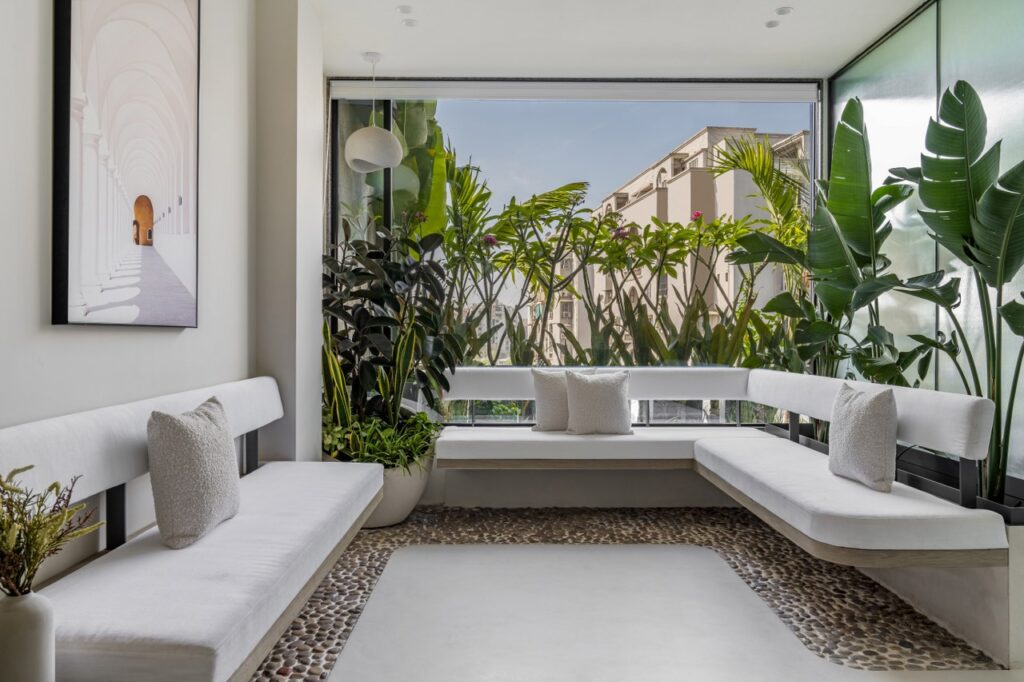
Clinic interior design plays a vital role in shaping how patients perceive healthcare services. A well-designed clinic is not only about aesthetics—it directly impacts patient comfort, trust, and overall experience. In today’s competitive healthcare industry, clinics must focus on creating spaces that feel professional, clean, and calming from the moment a patient walks in.
Modern clinic design principles are increasingly influenced by residential comfort and architectural expertise. In many cases, professionals such as a สถาปนิก ออกแบบบ้าน (home architect) bring valuable insight into spatial planning, lighting, and human-centered design that can also be applied to healthcare environments.
Why Clinic Interior Design Matters
First impressions are extremely important in healthcare. Patients often feel anxious or stressed, and the environment can either reduce or increase that discomfort.
A well-designed clinic helps to:
- Build patient trust and confidence
- Reduce stress and anxiety
- Improve staff productivity
- Enhance brand identity and professionalism
By applying thoughtful design strategies—often inspired by residential comfort principles used by a สถาปนิก ออกแบบบ้าน—clinics can create a more welcoming and human-centered environment.
Creating a Calm and Welcoming Reception Area
The reception area is the first point of contact for patients, making it one of the most important parts of clinic design.
Key design elements include:
- Soft and neutral color palettes
- Comfortable seating arrangements
- Clear signage and navigation
- Warm and inviting lighting
A professional reception designed with careful planning helps patients feel relaxed and reassured. Many clinics now adopt design ideas similar to residential spaces, where a สถาปนิก ออกแบบบ้าน focuses on comfort and emotional well-being.
Clean and Functional Layout Planning
Efficiency and hygiene are critical in any healthcare environment. A well-planned layout ensures smooth movement for both patients and staff.
Important layout considerations:
- Separate waiting, consultation, and treatment zones
- Easy navigation for patients
- Wide corridors for accessibility
- Proper zoning for privacy
In modern clinic projects, architectural thinking similar to a สถาปนิก ออกแบบบ้าน is often applied to ensure that space is both functional and aesthetically balanced.
Lighting Design for Comfort and Clarity
Lighting has a strong psychological impact on patients. Harsh lighting can create discomfort, while soft and balanced lighting promotes calmness.
Best lighting practices:
- Use warm white lighting in waiting areas
- Install bright but soft lighting in treatment rooms
- Maximize natural light where possible
- Avoid glare and overly harsh fixtures
A well-planned lighting system enhances both functionality and emotional comfort, a principle often emphasized by a สถาปนิก ออกแบบบ้าน in residential projects as well.
Choosing the Right Colors for Clinics
Color psychology plays a key role in clinic interior design. The right colors can create a sense of cleanliness, trust, and relaxation.
Common color choices include:
- White for cleanliness and simplicity
- Light blue for calmness and trust
- Soft green for healing and balance
- Beige and neutral tones for warmth
These color strategies are often inspired by residential design principles used by a สถาปนิก ออกแบบบ้าน, where emotional comfort is a priority.
Comfortable Waiting Areas
Waiting areas should be designed to reduce stress and make time feel shorter for patients.
Design ideas:
- Ergonomic and comfortable seating
- Reading materials or digital screens
- Soft background music
- Minimal noise and distractions
A calm waiting area improves patient satisfaction and reflects a professional healthcare environment.
Hygiene and Material Selection
Cleanliness is essential in clinics, so materials must be easy to clean, durable, and hygienic.
Recommended materials:
- Anti-bacterial surfaces
- Smooth flooring like vinyl or polished tiles
- Easy-to-clean wall finishes
- Stainless steel for medical areas
Just like in residential projects handled by a สถาปนิก ออกแบบบ้าน, material selection plays a crucial role in balancing aesthetics and functionality.
Privacy in Treatment Rooms
Patient privacy is a top priority in clinic design. Treatment rooms should be isolated, quiet, and secure.
Key features include:
- Soundproof walls
- Private consultation spaces
- Proper partitioning systems
- Controlled access for staff
Good privacy design builds trust and ensures a professional healthcare experience.
Smart Clinic Design and Technology Integration
Modern clinics are adopting smart technologies to improve efficiency and patient experience.
Examples include:
- Digital appointment systems
- Smart lighting and climate control
- Electronic medical records systems
- Automated check-in kiosks
These innovations are similar to smart home concepts often designed by a สถาปนิก ออกแบบบ้าน, where technology enhances comfort and efficiency.
Staff Efficiency and Workflow Design
A clinic must also support doctors and staff with an efficient working environment.
Important considerations:
- Easy access between rooms
- Organized storage for medical tools
- Clear separation of clean and clinical zones
- Efficient communication flow
Good workflow design improves productivity and reduces operational stress.
Biophilic Design in Clinics
Biophilic design is becoming increasingly popular in healthcare spaces. It involves incorporating natural elements into interiors.
Examples include:
- Indoor plants
- Natural textures like wood and stone
- Water features
- Large windows for sunlight
These elements create a calming environment, similar to the principles used by a สถาปนิก ออกแบบบ้าน in residential projects focused on well-being.
Final Thoughts
Clinic interior design is about more than just appearance—it is about creating a space that promotes healing, trust, and comfort. From reception areas to treatment rooms, every detail plays a role in shaping patient experience.
By applying thoughtful design principles often used by a สถาปนิก ออกแบบบ้าน, clinics can achieve a balance between professionalism and emotional comfort. This combination helps improve patient satisfaction while also enhancing operational efficiency.
In today’s healthcare industry, a well-designed clinic is not just an advantage—it is a necessity for building trust and long-term success.
Visit More : widemagazine.co.uk
