
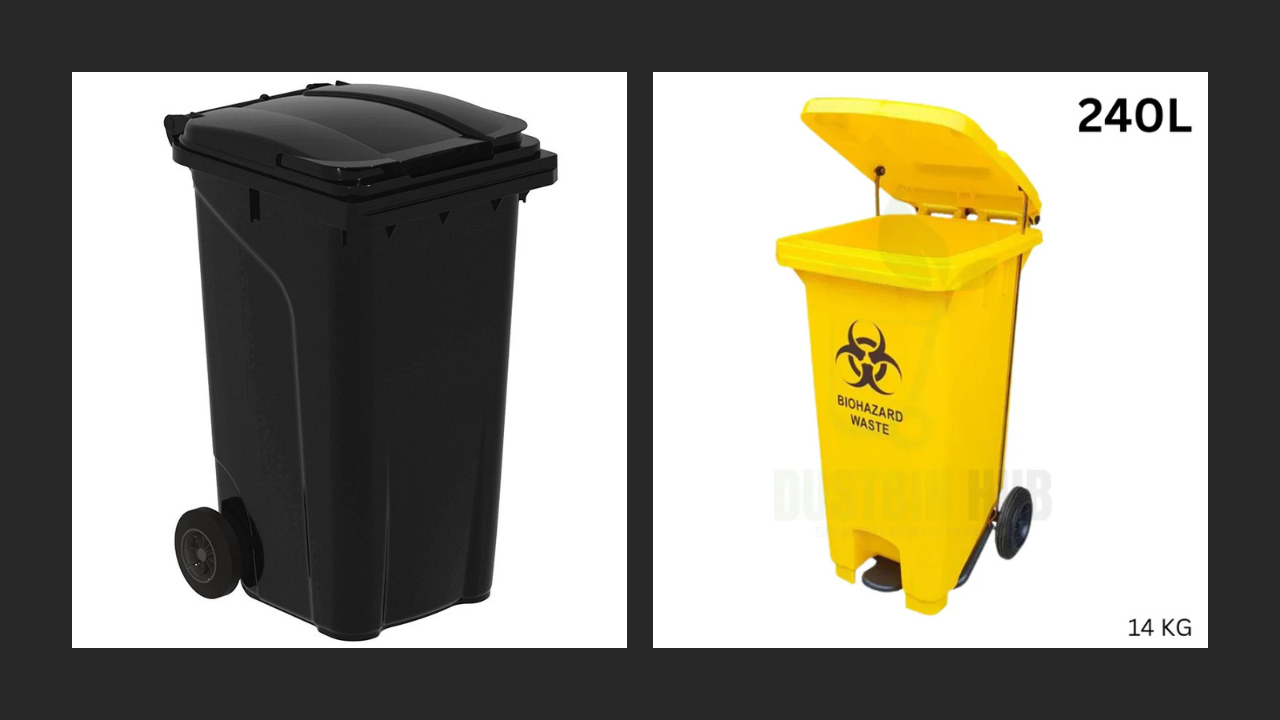
Understanding bin litre, kitchen bin litre size, and black bin litre size is essential for effective waste management in any household. Whether you’re setting up a new home, renovating your kitchen, or simply trying to improve how waste is handled, knowing how to measure bin capacity and selecting an appropriate bin size can make your life easier—reducing mess, odours, and unnecessary trips outside. This comprehensive guide explores everything you need to know about bin litres, how kitchen bin capacities differ, and what black bin sizes mean in practical terms.
What Is Bin Litre and Why It Matters
The term bin litre refers to the capacity of a bin measured in litres (L). A litre is a standard metric unit of volume, used to express how much space a container can hold. This measurement helps you understand how much waste a bin can contain before it needs to be emptied. You’ll see this measurement on bin packaging, municipal bin information, and waste management guidelines. Choosing the right bin litre size reduces overflowing trash, unpleasant smells, and the frequency of bin runs. Different types of waste and the space you have available both play key roles in selecting the right bin litre size for your needs.
In many regions, especially in municipal waste systems, bins are colour-coded and sized to match the volume of waste expected and the type of collection they receive. For example, general waste might be collected in one type of bin, whereas recycling and organic waste each have their own containers with differing capacities. Knowing the litre capacity of these bins allows you to plan your waste disposal more effectively—avoiding overflow and ensuring you comply with local collection requirements.
Understanding Kitchen Bin Litre Sizes
Typical Kitchen Bin Sizes
Kitchen bins are among the most frequently used waste containers in the home. They collect food waste, packaging, and various other household wastes that accumulate daily. These bins come in a wide range of sizes depending on household needs, kitchen layout, and lifestyle.
Most kitchen bins are measured between small sizes (ideal for compact spaces and minimal waste) to larger options that can hold more waste without frequent emptying. Typical kitchen bin capacities include:
- 10–30 litres: Ideal for small apartments or kitchens with minimal waste output. These smaller bins are easy to place under counters or in tight spaces.
- 30–40 litres: A common mid-range size for average households. It’s big enough to handle several days of waste but compact enough not to dominate kitchen space.
- 40–60 litres: Suitable for larger households or families that generate a significant amount of waste daily. These bins require less frequent emptying, reducing trips to outdoor bins.
- 60 litres and above: Considered large for kitchen use, these are usually for busy households or homes where waste separation and recycling are priorities.
Size isn’t everything, though. How many people live in your home, how often you cook, and how frequently you empty the bin will affect which litre size is right. For example, a single occupant or couple may find a 20–30 litre bin perfect, while a family of four might prefer a bin in the 40–60 litre range to avoid emptying it multiple times per day.
Choosing the Best Kitchen Bin Litre Size
Selecting the right kitchen bin size involves balancing waste volume with space and convenience. If a bin is too small, it may fill up too quickly, leading to unpleasant smells and more frequent trips to the outdoor bin. A bin that’s too large can take up valuable kitchen space and remain underutilised.
Consider the following when choosing:
- Household size: Larger families benefit from bins with higher litre capacity, while individuals or couples usually need less space.
- Waste type: Organic waste from cooking can rot quickly and create smells, so bins meant for food scraps may be smaller or require more frequent emptying.
- Kitchen layout: Look at the available space beneath counters or in corners to ensure your chosen bin fits comfortably.
- Emptying frequency: If you prefer to empty your bins daily, smaller sizes may suffice; if you empty less often, larger bins are better.
Black Bin Litre Sizes Explained
When people refer to a black bin, they often mean an outdoor waste bin used for general rubbish collection. In many municipal systems around the world, black bins are designated for general household waste that isn’t recycled or composted. These bins are typically larger and designed to be emptied by waste collection vehicles.
Common Black Bin Litre Sizes
Black outdoor bins—or wheelie bins—come in a range of litre capacities to suit different household needs:
- 120–140 litres: Smaller wheelie bins suitable for households with less waste generation or restricted outdoor space.
- 180 litres: Intermediate size for moderate waste producers, sometimes offered where more capacity is needed without going to a full 240 litre bin.
- 240 litres: One of the most common sizes for general household waste. It provides room for multiple bin bags and is typically emptied weekly by waste collection services.
- 360 litres: A larger option for families that produce more waste or need to store waste between collections, common in larger properties.
- 660 litres and above: Typically used in commercial or multi-family residential settings where waste production is high.
These black bin sizes help households manage general waste efficiently. Larger bins reduce the number of times bins need to be dragged to the curb, while smaller ones suit homes with regular waste disposal habits or access to frequent collection services.
How Black Bin Size Affects Waste Management
Choosing the right black bin litre size affects more than just capacity—it influences your waste disposal routines and even your sanitation. A bin that’s too small fills quickly, leading to overflow, which can attract pests and create unsightliness around your property. Conversely, a bin that’s too large may be underfilled, wasting space and complicating empties if your waste collection service is based on utilisation metrics.
In many waste systems, council or city authorities regulate the sizes of bins they provide. Often, a standard size like 240 litres is issued, but residents can request larger sizes if they generate more waste—especially in larger households or where waste separation systems require more space for multiple bins.
Comparing Kitchen Bin and Black Bin Litre Sizes
While both kitchen and black bins are measured in litres, their purpose and typical size ranges differ:
- Kitchen bins are designed for daily indoor waste and generally range from around 10 litres in very small spaces to 60 litres or more in larger kitchens.
- Black bins are designed to store waste until collection services arrive—so their sizes are larger, ranging typically from 120 litres to 360 litres and beyond.
This difference happens because indoor bins are emptied by household members daily or every couple of days, while outdoor bins must hold a week’s worth (or more) of household waste until collection. The higher litre capacity of black bins accommodates this expectation without requiring daily outdoor trips.
Practical Tips for Managing Bin Capacity
Here are some helpful tips to manage bin capacity effectively:
- Match bin size to waste output: If your kitchen waste fills up too fast, you may need a larger bin or multiple bins for recycling and organic waste.
- Segregate waste: Separate recyclables, compostables, and general trash into different bins to reduce the volume going into your black bin.
- Consider space and placement: Ensure indoor bins fit your kitchen space without causing obstruction. Outdoor black bins should be accessible but not disruptive to your garden or driveway.
- Frequency of disposal: Empty kitchen bins more often to reduce odours, and plan for outdoor bin collection schedules to ensure black bins are ready when needed.
Conclusion
Understanding bin litre, kitchen bin litre size, and black bin litre size helps make smarter decisions about waste management in your home. Kitchen bins are designed for frequent use and smaller volumes, while black bins provide larger capacity for general waste awaiting collection. By choosing the right bin litre size for each purpose, you’ll improve cleanliness, organisation, and efficiency in how waste is handled. Whether you live alone or have a large family, paying attention to bin litre capacities ensures your waste disposal system works smoothly with your lifestyle and available space.
