
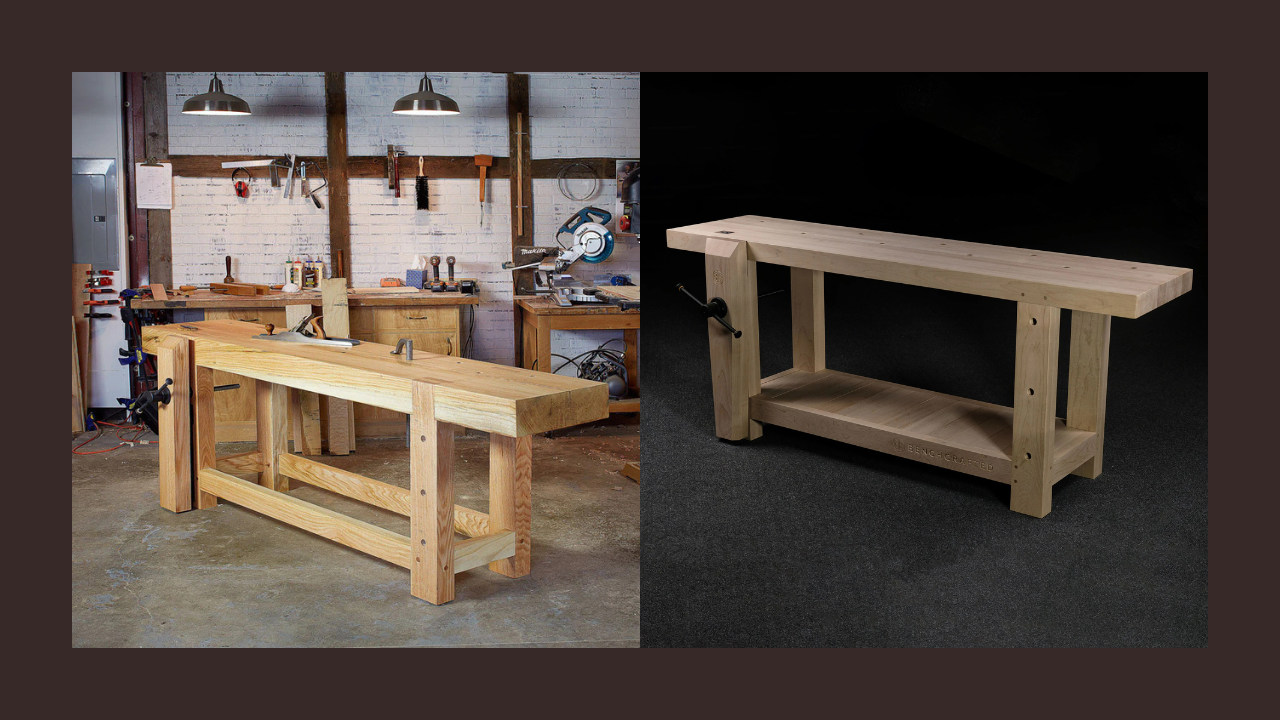
When it comes to nurturing a child’s curiosity, creativity, and confidence, few toys are as impactful as a bench workbench or child’s tool bench workbench. More than just a playset, these miniature workstations mirror real-life tools and work areas that children see adults use every day. Through imaginative play and hands-on exploration, kids can build, experiment, and learn essential life skills in a way that feels natural and exciting. As parents increasingly look for toys that balance fun with learning, child-sized workbenches have become a popular and meaningful choice.
A bench workbench gives children a dedicated space to pretend, create, and problem-solve. With child-safe tools like hammers, screwdrivers, and bolts, kids can enjoy role-playing while developing practical abilities. A thoughtfully designed child’s tool bench workbench supports both structured learning and free play, making it a valuable addition to any playroom or learning environment.
Why a Child’s Tool Bench Workbench Is Important
Children learn best through play, especially when that play imitates real-world experiences. A bench workbench allows children to explore how things work while building confidence in their abilities. By pretending to repair, assemble, or construct items, children engage in purposeful activity that supports early learning and development.
Hands-on interaction with a child’s tool bench workbench strengthens fine motor skills by encouraging gripping, turning, tightening, and aligning parts. These movements are essential for everyday tasks such as writing, tying shoelaces, and using utensils. Repeated play also improves concentration and patience, as children focus on completing tasks step by step.
In addition, tool bench play introduces children to problem-solving. Whether figuring out how pieces fit together or choosing the right tool for a task, kids learn to think logically and make decisions. This type of thinking supports cognitive growth and builds resilience when children try, fail, and try again.
Key Features of a Quality Bench Workbench for Kids
Choosing the right child’s tool bench workbench involves more than selecting a fun-looking toy. The best workbenches are designed with safety, durability, and development in mind.
Child-Friendly Size and Stability
A proper bench workbench should be sized for children so they can reach the surface comfortably. Stability is equally important, as a solid base prevents tipping and allows children to play confidently without frustration or risk.
Safe and Durable Materials
High-quality workbenches use non-toxic finishes, smooth surfaces, and rounded edges. Wooden bench workbenches are especially popular because they are sturdy, long-lasting, and safe when properly finished.
Tool Variety and Accessories
A well-equipped child’s tool bench workbench includes a variety of tools and parts such as hammers, screwdrivers, nuts, bolts, gears, and pegs. These accessories allow children to explore different actions and expand their creativity during play.
Built-In Storage Options
Storage shelves, hooks, or compartments help children keep tools organized. Learning to return tools after use promotes responsibility and helps children understand the value of order and care.
Adjustable or Modular Design
Some bench workbenches feature adjustable heights or interchangeable panels. These designs grow with the child and keep play engaging as skills develop.
Different Types of Child’s Tool Bench Workbenches
There are many styles of bench workbenches available, each offering unique benefits depending on a child’s age and interests.
Classic Wooden Bench Workbenches
Wooden bench workbenches are timeless and durable. They often feature traditional designs with realistic wooden tools, making them ideal for imaginative and long-term play.
Montessori-Inspired Tool Benches
These workbenches focus on independence, precision, and practical learning. Montessori-style benches often include interactive components that encourage problem-solving and fine motor development.
Large Multi-Piece Sets
Some child’s tool bench workbenches come with extensive tool collections and accessories. These sets support advanced play and are perfect for children who enjoy building complex structures or playing with others.
Compact and Portable Workbenches
Smaller bench workbenches are ideal for limited spaces. Despite their size, they still offer meaningful play opportunities and are easy to store or move.
Educational Benefits of a Bench Workbench
A bench workbench supports multiple areas of child development and offers long-term learning value.
Bench Workbench Fine Motor Skill Development
Using tools helps strengthen finger muscles and coordination. Repeated actions such as tightening bolts or hammering pegs improve control and accuracy.
Hand-Eye Coordination
Aligning parts and guiding tools requires children to synchronize vision and movement. This skill supports future activities like drawing, sports, and everyday tasks.
Creativity and Imagination
Children often create their own projects and stories while using a child’s tool bench workbench. This imaginative play supports creative thinking and self-expression.
Critical Thinking and Problem-Solving
Every building task presents a challenge. Children learn to analyze situations, try different solutions, and adapt their approach when something doesn’t work.
Responsibility and Organization
Storing tools properly teaches children accountability. These habits help build independence and structure in daily routines.
Safety Tips for Using a Child’s Tool Bench Workbench
Even though bench workbenches are designed for children, safety should always be a priority.
- Choose a bench workbench suitable for your child’s age
- Ensure all materials are non-toxic and child-safe
- Supervise play, especially with smaller parts
- Inspect tools and components regularly for wear or damage
These steps help ensure safe, enjoyable, and worry-free playtime.
Bench Workbench Creative Play Ideas Using a Bench Workbench
To maximize the value of a child’s tool bench workbench, try incorporating structured activities.
Project-Based Play
Encourage children to build specific items or complete small challenges. This helps develop focus and goal-setting skills.
Group Play Activities
Playing with siblings or friends promotes cooperation, communication, and teamwork.
Themed Construction Tasks
Create themes like building a house, fixing a vehicle, or assembling a bridge to spark imagination and keep play exciting.
Learning Through Play
Integrate simple learning concepts such as counting bolts, sorting tools by size, or identifying colors during play sessions.
Conclusion
A bench workbench or child’s tool bench workbench is more than a toy—it is a powerful learning tool that encourages creativity, skill development, and confidence. With the right features, materials, and play ideas, a workbench can support a child’s physical, cognitive, and emotional growth. By choosing a high-quality bench workbench and encouraging thoughtful play, parents can provide children with an engaging environment that supports meaningful learning through hands-on exploration.
