
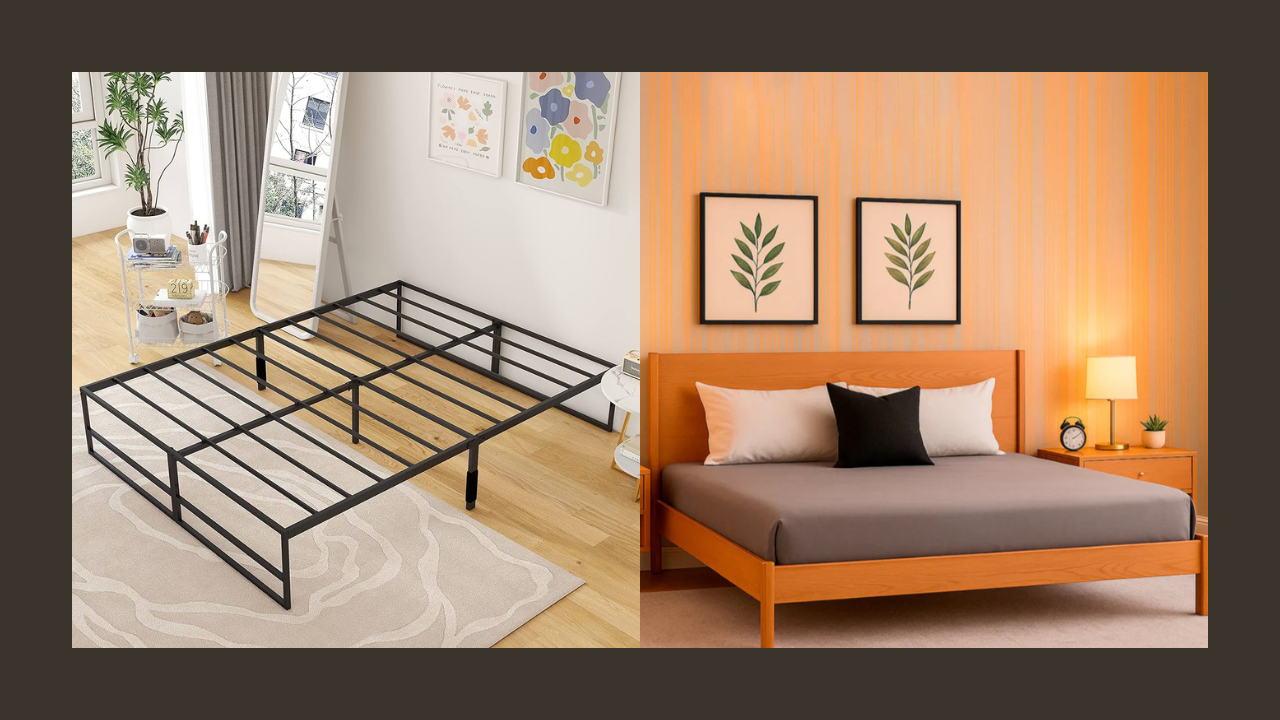
A A good forms the foundation of a comfortable sleeping space. Beyond simply holding a mattress, it supports weight, ensures durability, and contributes to the room’s style. From traditional wooden frames to modern bed structure design, and from multifunctional sofa beds to space-saving bunk beds, choosing the right structure can significantly enhance both comfort and aesthetics. In this guide, we’ll explore materials, designs, and practical tips to help you select the best option for your home.
Understanding Bed Structure and Its Importance
A bed structure refers to the frame that supports a mattress and distributes weight evenly. It typically consists of slats, rails, legs, and sometimes a headboard or footboard. A strong, well-designed structure prevents sagging, enhances mattress longevity, and provides stable support for a restful night’s sleep.
Historically, bed frames have evolved from simple wooden supports to modern constructions that combine form and function. Whether you prefer a traditional wooden frame or a sleek contemporary platform, a well-built is essential for both safety and comfort. Additionally, a thoughtfully designed frame can elevate the look of your bedroom and complement your interior décor.
Bed Structure Wood: Choosing the Right Material
The choice of wood affects the durability, appearance, and value of a bed. Hardwood options like oak, maple, and walnut are prized for their strength and long lifespan. Softwoods such as pine and cedar are more affordable and lighter but may not provide the same long-term support.
Quality wooden frames are crafted with attention to grain, moisture content, and joinery. Kiln-dried wood resists warping, and reinforced joints improve stability. A wooden bed structure can also be finished in a variety of styles—stained, painted, or polished—to match any décor. In addition to aesthetics, wood absorbs vibration, making the frame quieter than most metal options.
Bed Structure Design Essentials
Bed structure design is about both function and style. Effective design ensures even weight distribution, stability, and ease of use while enhancing the room’s visual appeal.
Modern design trends include platform beds, which remove the need for a box spring, and storage beds that integrate drawers or compartments for space-saving. Low-profile frames create a minimalist look, while statement headboards act as focal points. Ultimately, the goal of good design is to balance practicality with aesthetics, ensuring both comfort and style.
Sofa Bed Structure: Multifunctional Comfort
A sofa bed structure offers seating and sleeping in a single piece, ideal for small spaces or guest rooms. Unlike traditional beds, the structure must support weight in multiple configurations and include a smooth folding mechanism.
Sofa bed frames often combine hardwood and metal for strength and durability. Hinges and sliding rails allow easy conversion between sofa and bed. A well-designed structure ensures stability, comfort, and longevity, making it a practical choice for multifunctional living areas.
Bunk Bed Structure: Space Efficiency and Safety
A bunk stacks beds vertically, saving floor space in shared bedrooms or small apartments. The design requires strong vertical posts, horizontal supports, guardrails, and a secure ladder or staircase for access.
Wooden bunk beds offer a classic appearance, while metal frames provide a modern, lightweight option. Safety and stability are essential, especially for children. Reinforced beams and secure fasteners ensure that the structure can withstand dynamic use. Modern designs may include lofted layouts, integrated storage, or built-in desks, maximizing functionality in compact spaces.
Selecting the Right
When choosing a bed structure, consider:
- Material and Durability: Hardwood frames last longer; engineered wood or metal may suit lighter use.
- Design and Style: Ensure the frame complements your room décor.
- Space and Functionality: Sofa beds suit multipurpose areas; bunk beds save space in shared rooms.
- Safety and Load Capacity: Confirm weight limits and stability features.
Prioritizing these factors helps you select a bed structure that combines comfort, longevity, and style.
Maintenance Tips for Longevity
Proper maintenance extends the life of any bed structure:
- Check and tighten bolts regularly to maintain stability.
- Keep wooden frames away from excessive moisture to prevent warping.
- Lubricate moving parts in sofa bed mechanisms to ensure smooth operation.
- Inspect slats, joints, and supports for signs of wear and repair as needed.
Regular upkeep ensures safety, comfort, and durability for years to come.
Conclusion
Understanding bed structure, bed structure wood, design, sofa bed structure, and bunk bed structure helps you choose furniture that meets both practical and aesthetic needs. From the warmth of a wooden frame to the versatility of sofa beds and the space efficiency of bunk beds, each type serves a specific purpose. By selecting high-quality materials, thoughtful designs, and performing proper maintenance, you can enjoy a bedroom that is comfortable, stylish, and built to last.
