
By Michael Wilson | Academic Wellness Consultant
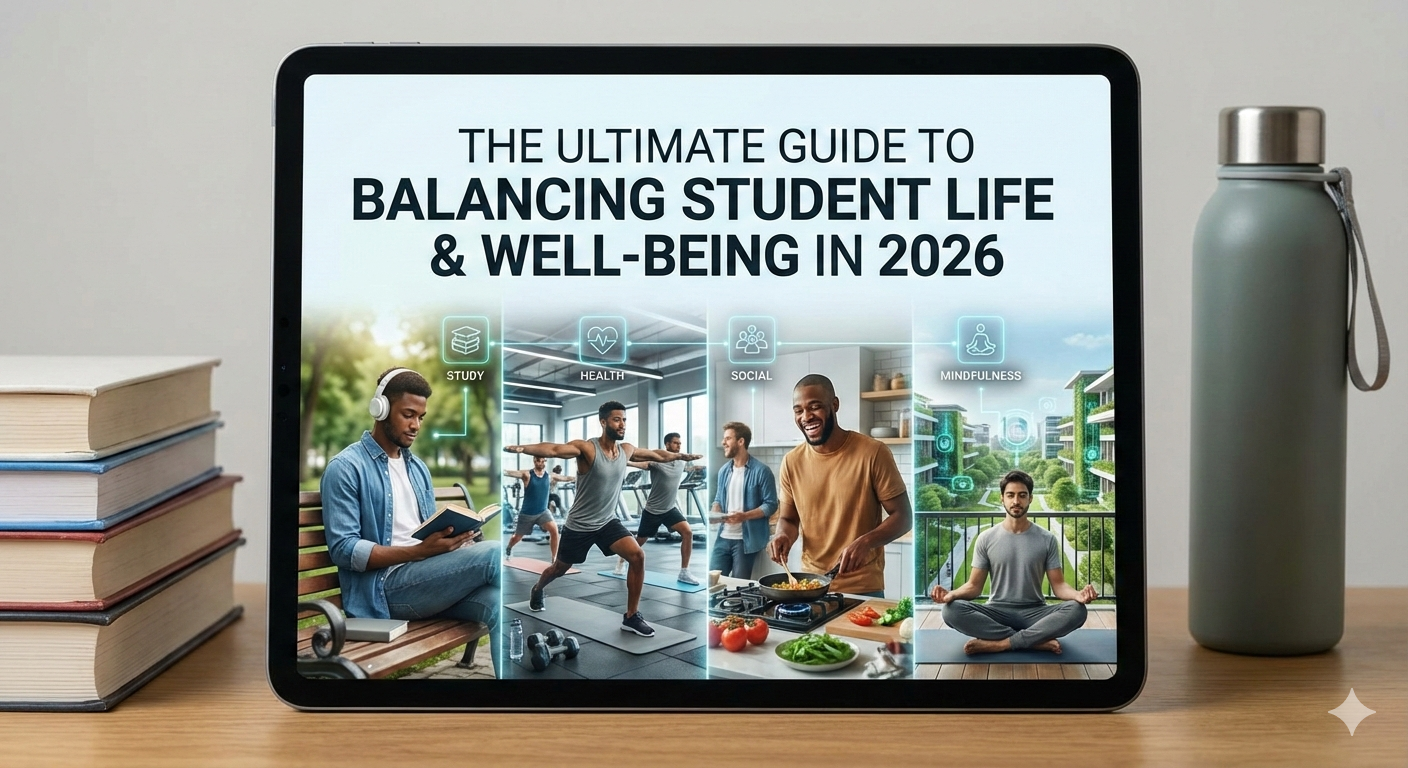
Balancing Student Life As we navigate 2026, the UK education landscape has transformed into a high-octane blend of digital immersion and intense competition. For Sixth Form, College, and University students across the UK, the pressure to excel is no longer confined to the lecture hall; it’s in the 24/7 connectivity of student portals and the constant evolution of AI-integrated learning.
Academic success is a marathon, not a sprint. In my years of consulting, I’ve observed that the most successful learners aren’t those who study the longest, but those who manage their cognitive energy most effectively.
1. Redefining Productivity: Quality Over Chronology
In 2026, the “hustle culture” that once glorified sleepless nights has been replaced by Sustainable Productivity.
- Bio-Hacking Your Schedule: Everyone has a unique circadian rhythm. In 2026, “rhythmic health” is a major wellness trend. Align your hardest tasks—like tackling complex calculus, seeking computer science assignment help with your peak alertness.
- The 90-Minute Sprint: Research suggests the brain can only maintain high-level focus for roughly 90 minutes. Break your day into “sprints” followed by 15-minute “analog breaks” where screens are strictly off-limits.
2. The Digital Wellness Frontier: “Low-Stim” Living
With VR lectures and AI tutors becoming the norm in British institutions, Digital Fatigue is now a primary concern for student unions.
- Embracing Low-Stim Environments: A rising trend for 2026 is “low-stim living”—the intentional reduction of dopamine-heavy digital noise.
- The Digital Sunset: Implement a “Digital Sunset” at least one hour before bed. Blue light interferes with melatonin, which is crucial for the deep sleep required for memory consolidation.
3. Physical Health: The Foundation of Cognitive Durability
Physical health in 2026 isn’t just about aesthetics; it’s about Cognitive Durability—the ability of the brain to withstand prolonged periods of mental exertion.
- Nutrition for Brain Power: Move beyond instant noodles. Focus on “brain foods” rich in Omega-3 fatty acids and prebiotic fibers to support the gut-brain axis.
- Micro-Workouts: If you’re time-poor, “snackable fitness”—10-minute bursts of movement—is the 2026 standard for boosting dopamine and serotonin levels naturally.
4. Mental Resilience and Social Connection
Building mental resilience is no longer optional; it is a survival skill for the modern UK student.
- “Memory Gardening”: This 2026 psychological practice involves gentle pre-sleep journaling to help the brain organize emotional and cognitive input.
- Sober Socials: A key trend in UK universities this year is prioritizing meaningful connection over hangovers. Join a society at your Student Union to combat the isolation of digital learning.
5. Strategic Academic Support: The Art of Learning Smart
One of the biggest hurdles to well-being is the “I have to do it all alone” mindset. In 2026, top-performing students treat their education like a project, knowing when to delegate and when to seek expert consultation.
When the pressure of multiple UCAS deadlines or final year dissertations becomes a threat to your mental health, it is vital to access structural academic help . Utilizing professional platforms isn’t about cutting corners; it’s about strategic resource management. By leveraging expert-led guidance, you can focus on mastering core concepts while professionals help you navigate the complexities of academic formatting and research.
6. Financial Well-Being: The Student Economy
Financial stress remains a leading cause of student anxiety in the UK. Managing your Student Finance and part-time income is vital for peace of mind.
- Real-Time Tracking: Use open-banking apps to monitor your maintenance loan and avoid end-of-term deficits.
- Investing in Time: Invest in tools and services that save you time. In 2026, time is the only resource you cannot replenish.
Conclusion
Balancing student life in 2026 requires a “human-first” approach. The secret to academic excellence isn’t working harder—it’s working smarter. By leveraging technology, prioritizing your health, and knowing when to seek external assistance from Myassignmenthelp.com, you can navigate higher education while keeping your well-being intact.
Frequently Asked Questions
Q.1 How can I balance AI-integrated learning without feeling overwhelmed?
The key is to treat AI as a collaborator, not a replacement. Use AI for brainstorming, structuring outlines, or explaining complex theories, but set “analog hours” where you engage in deep reading and handwriting to prevent digital burnout and maintain your own critical thinking skills.
Q.2 What is the most effective way to manage “Digital Fatigue” in 2026?
Beyond the “Digital Sunset,” try sensory grounding. Every 60 minutes, step away from your VR headset or laptop and focus on five things you can see, four you can touch, and three you can hear in the physical world. This resets the nervous system from the high-stimulation environment of modern UK student portals.
Q.3 Is seeking external academic help considered “cheating” in the current climate?
In 2026, the focus has shifted toward Strategic Resource Management. Using professional services like Myassignmenthelp.com is about gaining expert-led guidance, understanding complex formatting, and managing your cognitive load. It is a legitimate way to ensure your well-being doesn’t suffer during peak deadline seasons, provided you use the assistance to enhance your own understanding.
Q.4 How do “Sober Socials” impact my academic performance?
Prioritizing meaningful social connections over alcohol-centric events improves sleep quality and emotional regulation. Students who participate in alcohol-free societies often report higher levels of “Cognitive Durability,” allowing them to bounce back faster from academic setbacks.
About the Author: Michael Wilson is a Content Manager and education strategist. With over a decade of experience in the UK education sector, Michael specializes in student wellness and academic strategy.
Visit More : widemagazine.co.uk
