
My label is small, twenty new styles a season, and last spring the lookbook cost me more than the clothes did. I booked a model, a photographer, a studio two bus rides away, and hair and makeup, and the bill still came to more than a month of ads, before the rail, the steamer, and lunch.
The shoot ran late because one jacket arrived with a crease the steamer would not take out, and by the time we fixed it the studio light had gone flat. We lost two looks that day and I paid for a second day to reshoot them. That was the week I started looking for another way to photograph clothes.
A friend who sells skincare told me she had stopped booking shoots and was using GenImagePro for her product photos instead. I had not heard of anything like that before. I uploaded a photo of one jacket to try it, and the result was good enough that I kept going.
What an AI fashion model generator actually does
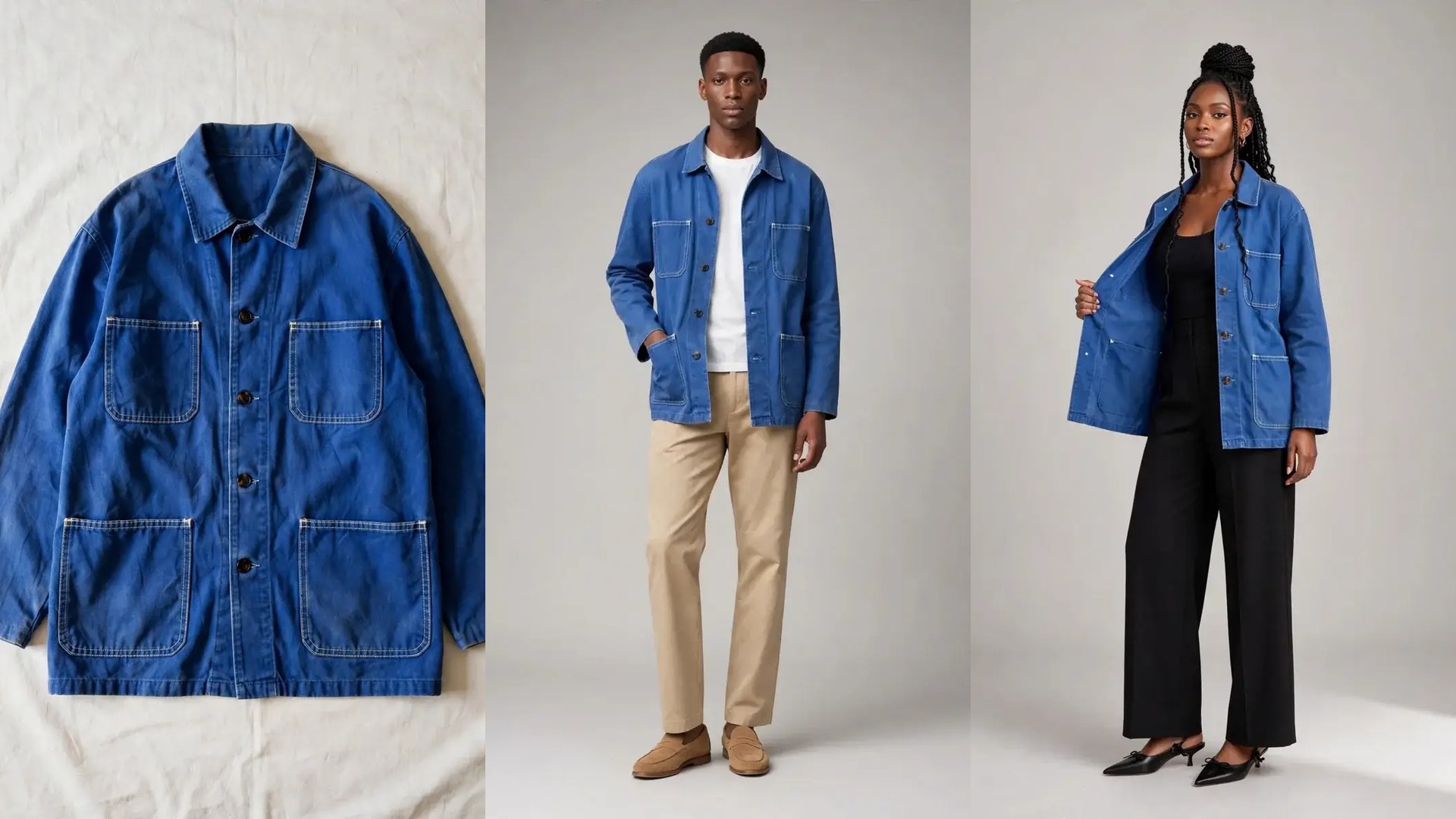
One clear photo. That is all I start with. I pick a model. Then a pose. Then a scene, and the tool puts my garment on that model. I first found it through a search for an AI fashion model generator, because I wanted to see whether a tool could dress a model in a jacket I had only photographed flat. The print, the color, the cut, and the small logo on the chest all come through as they are in my photo.
From flat lay to on-model in one upload
I did not need a model photo to start, which surprised me. I used the photos I already had. The jacket laid flat on my bed worked. The garment ends up on the model I pick. One upload, and the flat lay is an on-model shot. That helped, because I already had flat photos of every piece, taken on the bed with my phone, and did not have to photograph anything twice.
One model across the whole collection
I use the same model for every garment now. Twenty pieces, one model, and the page finally looks like one shoot instead of twenty separate listings. People keep telling me the page looks more put together since I switched. If a piece suits a different model, I switch for that one piece and then go back.
Where the savings come from
The money I stopped spending was the money that used to go to the shoot itself. I do not pay a model fee now. There is no studio day rate to cover, and I stopped booking photographers or arranging travel. A new drop now takes me an afternoon at my kitchen table, and a shot that does not work takes a few minutes to redo.
I checked the pricing page before I paid anything. Pricing was clear, with plans starting at a few dollars a week, which was less than the lunch bill from my last studio day.
What you stop paying for
Reshoots were the cost I never saw coming. On a normal shoot, the day ends early if the model calls in sick or the light goes flat the way it did on my last shoot, and the shots I still need cost me a second day. With the AI models, a bad shot costs me a few minutes. New sizes get photographed the same way. New colors too. Restocks as well, all from the same garment photos I took the first time.
How to get results that look real
I take ten minutes over the garment photo now, because the result is only as good as what I upload. I lay the piece flat. Or I hang it on the plain wall by the door, in good light, with the whole garment in the frame. The finished image shows everything. A wrinkle I missed. A shadow across the chest. An edge cut off at the sleeve, and then I am starting over. Most of my customers are women in their thirties, so I pick models who look like them. Same age. Same kind of build.
On the product page I keep the background plain white or light grey, nothing behind the garment at all. Social posts are different. A street. A cafe. A beach, because the photo has to earn a second look from someone scrolling past it on their phone. I keep the same kind of setting across the whole collection. No bright outdoor shot next to a dark studio one.
What AI models cannot do yet
I found the limits by trying things that did not work. A big campaign built around a known face is different. That person has to be there, in front of the camera, on the day. A generated photo cannot show how a jacket moves when someone walks in it. Or what a real wearer would say about the fit. I still cannot judge the drape of a fabric from a photo. Or the weight of it. For the store page and the full catalog, the AI models are faster and cost far less than a shoot day. For the one big campaign each season, I still book a real shoot.
Conclusion
I have not replaced every photoshoot. I stopped paying studio prices for everyday product photos, and that is the change that mattered. I started with one piece. Tried it on three or four models. Laid the results next to my old product shots. A new piece goes on the site in the same week it arrives. On a model. No studio day needed to make that happen.
