
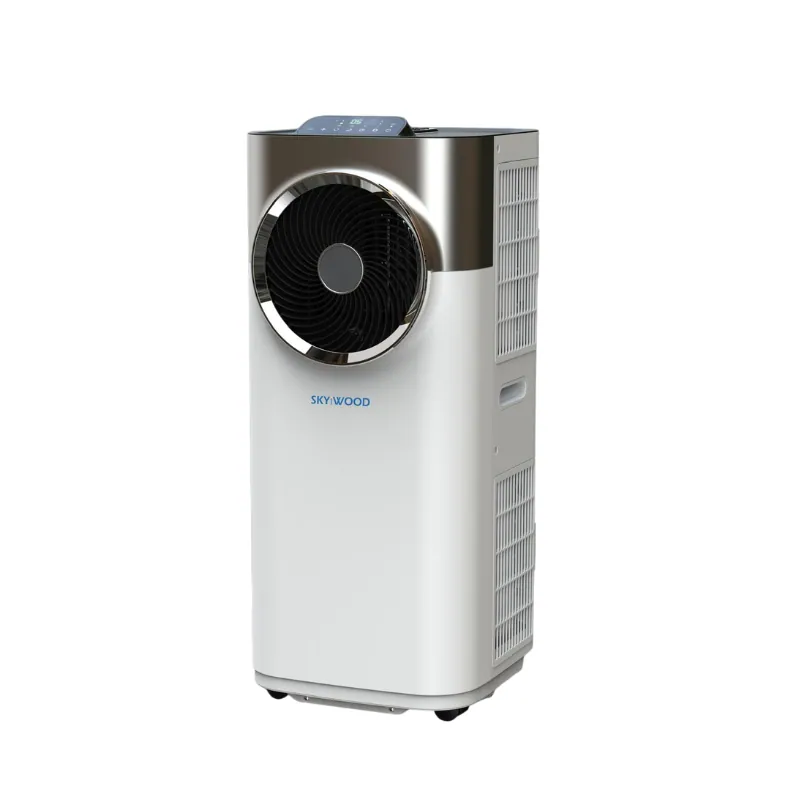
Every hot spell brings the same rush, and plenty of households end up buying a portable air conditioner in a hurry. For a few days it feels like the problem is solved.
Then the noise, the hose and the slightly warm room start to grate. If that sounds familiar, it helps to understand why portable units struggle and what a fixed system does differently before the next summer arrives.
The Hose Is the Weak Point
Every air conditioner moves heat from inside to outside. A portable unit does all of its work inside the room, so it has to push that heat out through a flexible exhaust hose, usually poked through a window that is propped open.
That gap around the hose lets warm air back in. Many single-hose models also pull air from the room to cool their own components, then blow it outside. The room loses air, and the house replaces it with warmer air from hallways, doors and gaps around frames. You end up cooling the same space twice.
Window kits help a little, but sash windows, tilt-and-turn frames and casements rarely give a tidy seal.
Noise Where You Least Want It
With a portable unit, the compressor sits in the room with you. That is the part that hums, clicks and rattles. Fine in a kitchen, less welcome beside the bed at 2am.
Fixed air conditioning systems split the job in two. The noisy compressor lives in an outdoor unit, while the indoor unit mostly moves air with a quiet fan. For bedrooms and home offices, that difference alone persuades many people to switch.
Running Costs and Real Cooling Power
Portable models are often rated by their cooling capacity in BTU, and the number on the box can look generous. In practice, the leaky hose and the air loss described above mean a portable unit works hard for a modest result, especially on a south-facing room or a loft.
A split air conditioner tends to deliver more steady cooling for the energy it uses. Modern inverter units adjust their speed instead of switching fully on and off, so they hold a set temperature without constant cycling. Savings depend on the model and how you use it, so compare energy ratings on the specific units you are considering.
It also helps to size properly. Room area in sqm is only the start. Ceiling height, glazing, insulation and how many people use the space all affect what you need.
What a Fixed System Involves
The main hesitation people have is the installation itself. A typical single split setup for one room involves a few clear stages:
- A wall mounted indoor unit, usually placed high on an external wall
- A small hole through the wall for refrigerant pipework, cabling and a condensate drain
- An outdoor unit on brackets or a ground pad, sited with airflow and neighbours in mind
- Commissioning, where the system is pressure tested and set up correctly
For most homes this is a one-day job per room. In the UK, anyone handling refrigerant must hold the appropriate F-gas certification, so it is worth checking that before you book anyone.
If you are weighing up both options side by side, this guide on how portable units compare with split systems. It sets out the trade-offs for typical UK homes.
Heating as Well as Cooling
One point that surprises many homeowners is that most split air conditioning units can run in reverse. They work as a heat pump, so the same system that cools a bedroom in July can take the chill off it in October.
That makes the cost easier to justify. A portable unit spends most of the year in a cupboard, while a fixed system can earn its place through spring and autumn too. It is especially useful for rooms the central heating struggles to reach, such as converted lofts, garden rooms and extensions, and for heating large rooms that warm up slowly.
Smarter Control Makes a Difference
Most current air conditioners include wi fi and app control as standard or as an add-on. That sounds like a gimmick until you use it. Being able to pre-cool a bedroom on the way home, or set a gentle schedule for the evening, means the system runs less and the room feels right when you need it.
Things to Check Before You Commit
A fixed system is a bigger decision than a portable unit, so a little homework pays off. A few points are worth settling early:
- Whether you need permission from a landlord, freeholder or managing agent
- Whether your property is listed or in a conservation area, which can affect outdoor units
- Where the outdoor unit can sit without blocking paths or facing a neighbour’s window
- Whether you want one room done now and others later
Local planning rules vary, so if you are unsure, a quick call to your council is the safest route.
Final Thoughts
Portable air conditioners have their place. They suit renters, short-term needs and rooms where a fixed unit is not allowed. For anyone who wants a quiet, cool home through every heatwave, though, they often fall short.
A properly sized and installed split system costs more upfront, yet it tends to cool better, run more quietly and earn its keep in the colder months too. If last summer left you frustrated, now is a good time to plan, well before the next rush.
