
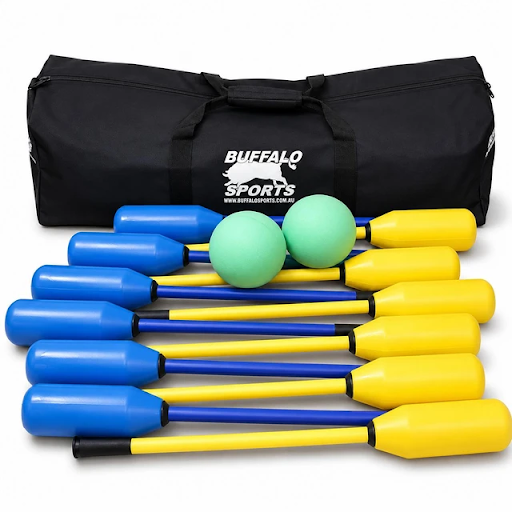
Physical education is a fundamental part of the school curriculum, aiming to promote the physical development, health, and well-being of students. Schools equipped with high-quality PE equipment create an environment conducive to learning, skill development, and enjoyment of physical activity. Reliable PE equipment for schools plays a significant role in achieving these educational goals.
The Importance of Quality PE Equipment in Schools
High-quality physical education equipment helps to ensure safe and effective participation in sports and physical activities. It supports various types of exercises, ranging from basic motor skills to complex sports techniques. The provision of proper equipment also enables inclusivity, allowing students of different ages and abilities to take part in physical education classes with confidence.
Moreover, quality PE equipment influences the motivation and engagement of students. When children have access to well-maintained and appropriate gear, they are more likely to develop a positive attitude towards physical activity, which can foster lifelong fitness habits.
Types of PE Equipment Beneficial for Schools
Schools require an array of equipment to cater to different physical education needs. Essential items include balls for various sports like football, basketball, and volleyball; mats for gymnastics and fitness exercises; and hurdles, cones, and ladders for agility and coordination drills.
Additional equipment such as skipping ropes, balance beams, and resistance bands can further enhance students’ physical skills by providing variety and promoting different aspects of fitness such as balance, strength, and endurance.
Ensuring Safety through Appropriate Equipment
Safety is a paramount consideration in school physical education programmes. Using equipment that meets established safety standards minimizes the risk of injury. For example, mats with adequate padding reduce impact during gymnastics, and well-designed sports footwear is essential for preventing slips and falls during running or team sports.
Schools must regularly inspect and maintain PE equipment to ensure it remains in good condition. Broken or worn-out equipment can lead to accidents or reduce the effectiveness of training sessions, undermining the benefits of physical education.
Selecting Equipment that Meets School Needs
When choosing PE equipment, schools should consider the age group and skill level of their students. Equipment must be appropriately sized and suited to the activities planned within the curriculum. For younger students, lightweight balls and smaller-sized gear promote ease of handling, whereas older students may require standard-sized equipment for more competitive play.
It is also important to select versatile equipment that supports a variety of activities, maximizing the use of resources and providing teachers with flexible teaching tools.
The Role of Equipment Providers in Supporting Schools
Suppliers specialising in physical education equipment for schools contribute significantly to quality physical education delivery. They offer expert advice on product selection, suitability, and safety compliance, ensuring schools invest in reliable and durable equipment.
Buffalo Sports is a key provider in this sector, offering a wide range of PE equipment designed specifically for educational institutions. Their products are known for quality and safety, assisting schools in enhancing their physical education programmes effectively.
Benefits of Upgrading PE Equipment
Upgrading to modern, high-quality PE equipment can vastly improve the standard of physical education in schools. It creates opportunities for expanded activity choices, encourages more active participation, and supports tailored fitness development.
Furthermore, it reflects a school’s commitment to student health, which can positively impact school reputation and student satisfaction.
Integrating Equipment into Curriculum Delivery
Effective integration of PE equipment into curricular activities requires planning and teacher training. Educators benefit from understanding the potential uses of each piece of equipment, enabling them to design engaging and varied lessons that target specific motor skills and fitness components.
Equipment such as agility ladders, cones, and medicine balls can be incorporated into fitness circuits, team sports drills, or skill-building sessions, making lessons dynamic and comprehensive.
Conclusion
Quality physical education equipment is indispensable for schools seeking to provide robust and inclusive physical education programmes. It promotes safety, skill development, and student engagement, supporting overall health and well-being. By partnering with reputable providers like Buffalo Sports, schools can access a diverse range of equipment tailored to their needs, enhancing the physical education experience for both students and educators.
