
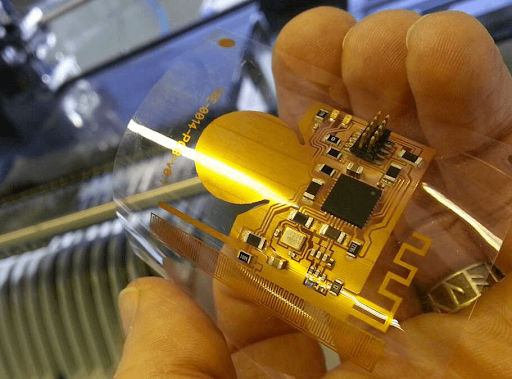
Professional PCB assembly is a critical part of modern electronics manufacturing. A well-designed circuit board can only perform effectively when its components are assembled accurately and consistently. From prototypes and testing to large-scale production, businesses need dependable assembly processes that can support different project requirements.
FastTurn PCBA provides PCB assembly solutions that can help electronics companies manage production more efficiently. Understanding the PCB assembly process, available board types, quality considerations, and manufacturing options can help businesses make better decisions for their electronic products.
What Is PCB Assembly?
PCB assembly is the process of attaching electronic components to a printed circuit board. Components such as resistors, capacitors, integrated circuits, connectors, and other parts are placed onto the board according to its design.
The general PCB assembly process may include:
- Solder paste application
- Component placement
- Reflow soldering
- Inspection
- Testing
- Final assembly and preparation
Each stage requires accuracy because even a small assembly issue can affect the performance of the finished electronic product.
How FastTurn PCBA Supports Professional Assembly
FastTurn PCBA focuses on efficient manufacturing processes designed to support different electronics projects. Businesses may require prototype boards, small production batches, or larger quantities depending on their product development stage.
A professional assembly service can help businesses move from PCB design to completed boards while maintaining organized production workflows.
Key Benefits of Professional PCBA
- Accurate component placement
- Consistent assembly quality
- Efficient production processes
- Support for different production volumes
- Faster movement from prototype to production
- Better manufacturing organization
Understanding Rigid-Flex PCB Technology
Rigid-flex boards combine rigid PCB sections with flexible circuit areas. This design allows engineers to create electronic assemblies that can fit into compact or unusually shaped products while maintaining reliable electrical connections.
A reliable rigid flex pcb manufacturer can help businesses develop boards for applications where traditional rigid PCBs may not provide enough design flexibility.
Rigid-flex PCBs can be useful when products require:
- Space-saving designs
- Reduced connectors and wiring
- Flexible connections between board sections
- Compact electronic assemblies
- Improved mechanical integration
Choosing the Right PCB Type
Different electronic products require different PCB structures. Choosing the appropriate board type depends on factors such as available space, mechanical movement, electrical requirements, production volume, and application conditions.
Common considerations include:
- Rigid PCBs – Suitable for many standard electronic devices and equipment.
- Flexible PCBs – Useful when the circuit needs to bend or fit into limited spaces.
- Rigid-flex PCBs – Combine the stability of rigid sections with the flexibility of flexible circuits.
- High-density boards – Useful for products that require many components within a compact area.
Understanding these differences can help engineers select a suitable solution before starting production.
The Importance of Component Placement
Component placement is one of the most important parts of PCB assembly. Components must be positioned according to the board design to ensure proper electrical connections and reliable operation.
Automated assembly equipment can improve placement consistency, particularly when manufacturers need to produce multiple boards with the same design.
Accurate placement can help:
- Reduce assembly errors
- Improve production consistency
- Support reliable electrical connections
- Minimize rework
- Improve overall product quality
Inspection and Testing
Professional PCB assembly does not end after components are soldered onto the board. Inspection and testing are important steps for identifying potential manufacturing problems.
Depending on the project, manufacturers may use visual inspection, automated inspection, electrical testing, or other quality-control methods.
Quality Checks Can Help Identify:
- Incorrect component placement
- Soldering problems
- Missing components
- Damaged components
- Board defects
- Connection issues
Early identification of these problems can help prevent defective assemblies from moving further into the production process.
Supporting Prototype and Low-Volume Production
Product development often begins with prototypes before moving toward larger manufacturing quantities. Prototype PCB assembly allows engineers to test their designs and make improvements before committing to higher production volumes.
FastTurn PCBA can support businesses during these early stages by providing assembly solutions suitable for development projects and smaller production requirements.
This can help companies:
- Test new designs
- Identify potential problems
- Make engineering improvements
- Validate product performance
- Prepare for larger production
Scaling PCB Production
Once a product has been tested successfully, manufacturing requirements may increase. A dependable PCBA partner should be able to support businesses as they move from development to more substantial production.
FastTurn PCBA can provide a manufacturing approach that accommodates changing project requirements. This allows businesses to plan their PCB assembly needs according to product demand and development progress.
Factors to Consider When Selecting a PCB Assembly Partner
Choosing a PCB assembly provider involves more than comparing prices. Businesses should consider manufacturing capabilities, quality processes, production flexibility, turnaround expectations, and experience with their required PCB technology.
Before selecting a provider, consider these points:
- Does the manufacturer support your PCB type?
- Can it handle your required production volume?
- Are inspection and testing available?
- Can it support prototype development?
- Does it offer flexible manufacturing options?
- Can it maintain consistent assembly quality?
Answering these questions can make it easier to find an assembly partner that fits the project’s requirements.
Why FastTurn PCBA Can Be a Practical Manufacturing Solution
FastTurn PCBA can support businesses that need efficient and flexible PCB assembly services. Its capabilities can be useful for companies working on prototypes, product development, and ongoing electronics manufacturing.
For projects involving advanced board designs, working with an experienced rigid flex pcb manufacturer can also help engineers address the mechanical and electrical requirements of complex electronic products.
Conclusion
Professional PCB assembly requires accuracy, consistency, quality control, and the ability to adapt to different manufacturing requirements. FastTurn PCBA helps businesses manage these needs through organized PCB assembly solutions and support for different stages of electronics production.
Whether a company is developing a prototype, producing a small batch, or preparing for larger-scale manufacturing, choosing the right PCBA partner can make the production process more efficient. For advanced applications that require flexible and compact designs, partnering with a capable rigid flex pcb manufacturer can provide additional design and manufacturing advantages.
