
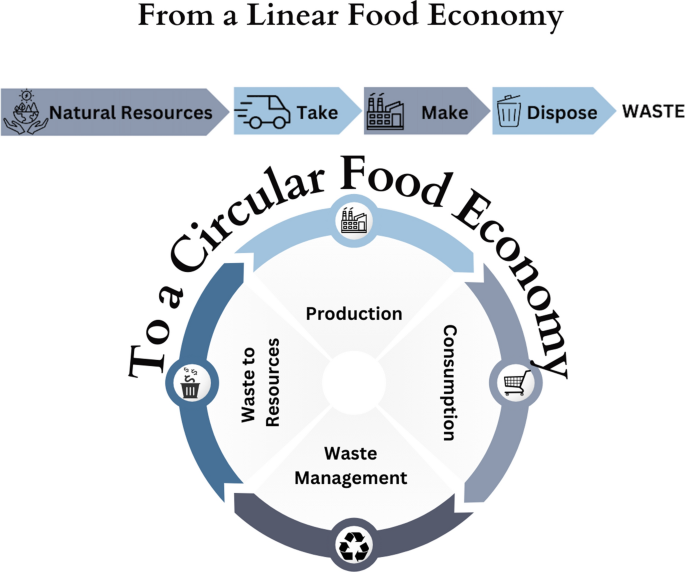
Running a busy commercial kitchen requires constant focus on efficiency, hygiene, and sustainability. Every day, caterers produce large volumes of food waste and used fats that require careful handling. Instead of viewing these byproducts as a burden, modern food businesses are turning toward circular economy principles. By looking at used ingredients as valuable resources, smart operators are reducing their impact on the planet while maintaining high operational standards.
The Hidden Lifecycle of Used Kitchen Byproducts
In traditional setups, liquid fats and fats from frying often posed a significant waste management challenge. When poured down sinks, these substances cool, harden, and build up in pipe networks, leading to major plumbing issues and costly emergency repairs. Responsible operators prevent these problems by implementing clear, dedicated collection protocols. Proper storage not only keeps drainage systems clear, but it also ensures that these materials remain uncontaminated and ready for processing into clean, renewable resources.
Transforming Kitchen Waste into Clean Energy
Once collected from food establishments, used fats enter a sophisticated recycling system. The material undergoes thorough filtration and refining to remove water and food particles. Oil collectors like Quatra process these organic liquids into feedstocks for sustainable biofuels, including biodiesel. This green energy produces significantly lower carbon emissions compared to traditional fossil fuels. By establishing a reliable routine for waste cooking oil collection, catering businesses directly power cleaner transport sectors and contribute to a lower national carbon footprint.
Financial and Operational Advantages for Caterers
Adopting circular practices brings clear practical and economic benefits to kitchen managers. Outsourcing your storage and logistics simplifies day-to-day compliance with environmental and waste handling regulations. Furthermore, returning valuable resources to the supply chain can generate new revenue streams. The exact financial compensation depends on several factors, including the quality of the oil, the quantity collected, and current market prices. Once collected, it is recycled properly, removing the guesswork entirely while boosting your kitchen’s bottom line.
Building a Sustainable Future in Food Services
The transition toward circular management is rapidly becoming the standard across the entire hospitality sector. Diners increasingly value businesses that demonstrate a genuine commitment to environmental care. By establishing structured methods for disposing of cooking oil, commercial kitchens eliminate unnecessary hazards and play an active role in sustainable energy production. Embracing these daily habits protects local infrastructure, improves resource efficiency, and positions your enterprise as an eco-conscious leader in modern catering.
Visit More : widemagazine.co.uk
