
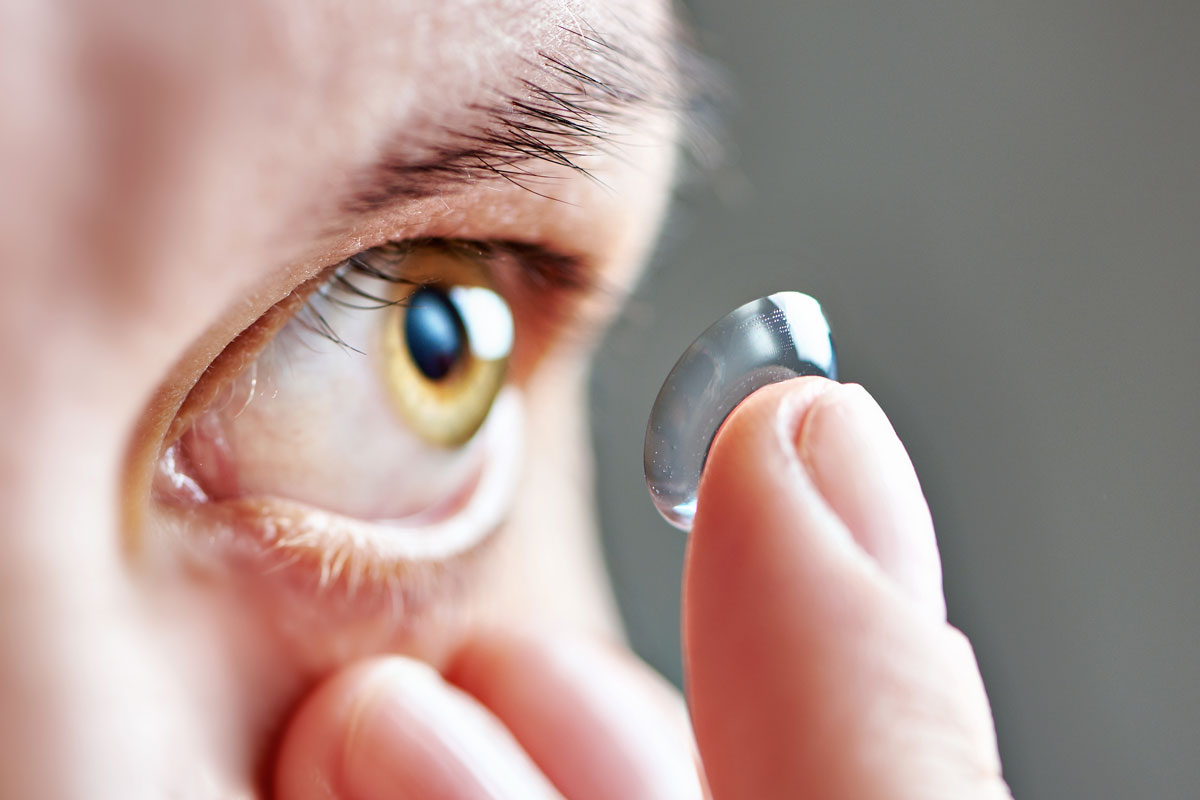
So you’re thinking about making the switch to contact lenses? Or maybe you’re a full beginner, maybe you’ve been wearing them for a while and you’re thinking about a change from your current brand. Either way there are a couple important bits that can really make the difference between a comfy, low-drama experience and one that’s just irritation plus frustration. Here are seven key things to keep in mind before you buy.
1. Get a Proper Eye Test and Fitting
Contact lenses are a medical device, more like medical equipment than a simple one-size accessory. So before you buy them, you really should get a full eye test and then a proper contact lens fitting with a qualified optometrist, not just online guess work. That way your prescription is actually correct, and the lens curvature, the so-called base curve, plus the diameter line up with the specific shape of your eyes. If you skip this step it can cause poor vision correction, stubborn discomfort, or in worse cases even harm to the surface of your eye.
2. Decide on Your Wear Schedule
How often you plan to wear lenses should really, heavily influence your choice . If you’re only thinking about lenses occasionally, like for weekends, sports , or special events, daily contact lenses are ideal , because you only pay for what you actually use, and there’s no daily cleaning routine you need to keep up with. But if you plan to wear them every day, then fortnightly or monthly lenses might turn out more cost-effective, as long as you’re genuinely willing to do the proper cleaning and storage.
3. Understand Your Lens Material Options
Not every lens is created the same way, really . Silicone hydrogel lenses let more oxygen get to the cornea, so they tend to be a popular option for folks who wear lenses for long hours or who have sensitive eyes. Traditional hydrogel lenses feel quite softer, and at first glance they can feel comfortable enough, but they might not give the same level of breathability . It might be worth talking with your optometrist about which lens material really fits your eye health and day to day routine.
4. Factor In Your Budget
Contact lenses show up in a whole range of prices, depending on the brand , the actual material, and how often you replace them . Daily lenses are usually pricier per box, but they get rid of the whole need for lens solution, cases, and those cleaning products. Monthly lenses can look cheaper at first glance, yet you still end up paying for maintenance supplies over time. Also, a bunch of online retailers run subscription plans and bulk offers, so it really pays to check the real cost every month across options, not just the “sticker” number .
5. Consider Any Existing Eye Conditions
If you happen to have astigmatism, dry eye symptoms, allergies , or other eye conditions, standard spherical lenses might not really fit the bill. Toric lenses are built basically for astigmatism, while some daily disposables are put together with extra moisture for people who struggle with dryness. Just make sure you tell your optometrist about any current issues you have too, so they can recommend a lens option that won’t make your symptoms worse..
6. Think About Hygiene and Maintenance Commitment
Be honest with yourself about how disciplined you’ll actually be with lens care, like for real. Reusable lenses need nightly cleaning, fresh solution, and consistent case replacement , and yeah if you skip any of that, the odds of eye infections jump a lot. But if you already know you’re prone to forget , or you cut corners here and their daily disposables take the worry away, because every pair gets used once then it’s discarded.
7. Choose a Reputable Retailer
Where you buy your lenses kinda matters as much as which lenses you actually choose. Try to look for retailers that ask for a real prescription, keep genuine branded products in stock, and offer clear customer support and a sensible returns plan. A lot of reputable online sellers tend to give better value than in-store purchases, though it should still keep the same safety standards, but really it’s key to double check their credentials before you hand over your prescription details.
Final Thoughts
Buying contact lenses for the first time, or switching to some new type, is not just grabbing a box from the shelf. You know there’s more to it, from getting a proper fitting, to thinking about your budget, your day to day habits, and any basic eye issues you might already have. These seven factors should help you land on a confident, informed choice. For many beginners, starting with daily disposable lenses feels like the simplest, and safest entry point, so you can get crisp vision without all the extra upkeep.
