
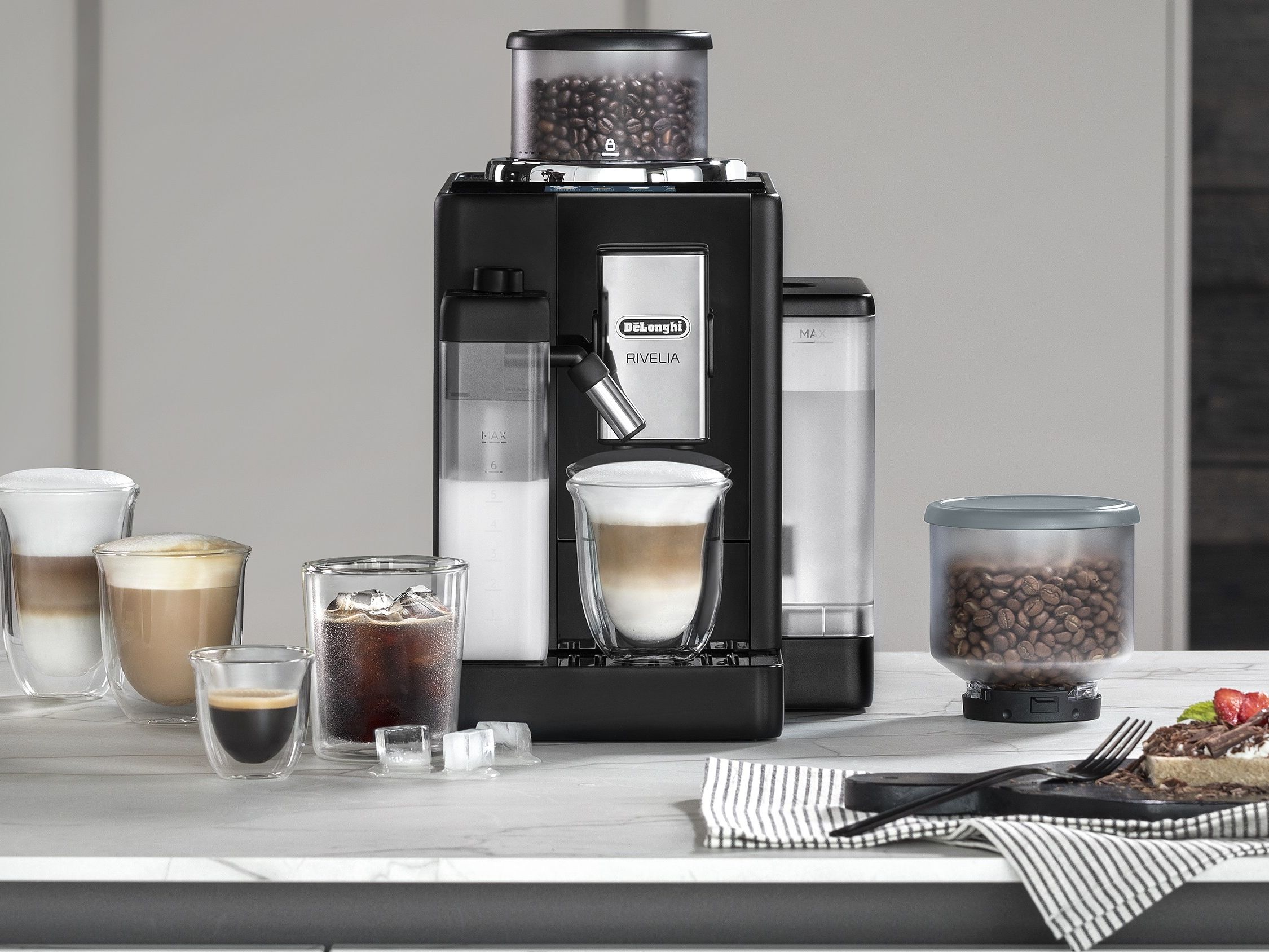
Yes, plenty of automatic coffee machines today can use both whole beans and instant coffee options in one unit. These dual-function machines have a built-in grinder for fresh bean-to-cup coffee, sitting right alongside a powder or instant mix dispenser for quicker drinks like hot chocolate, cappuccino sachets, or flavoured coffee blends. This combination gives offices and busy kitchens the flexibility to serve fresh-ground coffee for the purists while still offering fast, low-maintenance options for everyone else, all from a single machine.
Offices in particular benefit from this dual setup, because staff members have different tastes and different amounts of time on their hands. A good automatic coffee machine for office use needs to handle a busy morning rush without slowing down, while still giving people a genuine choice between a properly brewed espresso and a quick instant cup. That is really the whole point of combining beans and instant technology in one unit, it removes the need to buy and maintain two separate machines.
Most modern combo units house a bean grinder and an instant or powder hopper side by side. Users pick their brew style on the touchscreen, and the machine switches automatically between the fresh-ground and instant systems, drawing from the same water line and outlet but keeping the two ingredient paths entirely separate.
How Do Combo Coffee Machines Actually Work?
Inside a combination machine, there are usually two separate pathways working side by side. One pathway holds whole beans in a hopper and grinds them fresh for every cup, the same way a standalone bean-to-cup machine does. The other pathway holds instant coffee granules, milk powder, or chocolate powder in sealed canisters, ready to be mixed with hot water on demand. A simple menu screen lets each person choose which pathway they want, without touching or affecting the other.
Why Manufacturers Build It This Way
Manufacturers add both systems because no single office has uniform coffee habits. Some staff want a proper flat white made from freshly ground beans. Others just want a hot drink in under fifteen seconds before a meeting starts. Building both systems into one unit, rather than forcing a business to pick a side, is what makes commercial automatic coffee machines genuinely useful in a shared kitchen or break room.
Bean-to-Cup vs Instant vs Combo: What’s the Difference?
Choosing between these setups often comes down to how many people you’re serving and how much variety they expect. Many workplaces we’ve fitted out over the years lean toward combo units precisely because they cover both camps without complaint. Suppliers such as Absolute Drinks stock a wide range of combo, bean-to-cup, and instant units, which makes it much easier to compare workplace coffee machine solutions side by side before settling on the right one.
| Feature | Bean-to-Cup Only | Instant Only |
| Taste | Fresh ground, closer to café quality | Consistent but less rich |
| Speed | Around 30 to 60 seconds per cup | Under 15 seconds per cup |
| Cleaning | Needs regular bean and grinder upkeep | Simple hopper top-ups |
| Best for | Coffee-focused teams and client-facing areas | High footfall break rooms |
A combo machine essentially takes the top row of each column and puts it into one box, so you are not stuck choosing between speed and quality.
Is a Combo Machine Right for Your Office?
A combo machine tends to suit workplaces where taste preferences vary widely, where meeting rooms need drinks served quickly, and where one machine has to cover breakfast, lunch, and afternoon slumps without a queue forming.
Where Combo Machines Work Best
● Offices with 15 or more staff sharing one kitchen point
● Client-facing spaces that still need quick drinks for internal teams
● Businesses running back-to-back meetings with limited turnaround time
● Teams with a genuine mix of coffee snobs and grab-and-go drinkers
Where They Might Not Be Necessary
● Very small teams of two or three people
● Offices where everyone already drinks the same style of coffee
● Spaces with no room for a slightly larger footprint unit
What to Look for in the Best Automatic Coffee Machine for Office Use
Not every combo unit performs the same way once it’s under daily pressure. When you’re comparing the best automatic coffee machine for office use, a few practical details matter more than shiny branding or a long drinks menu.
● A grinder that stays quiet enough for open-plan offices
● Easy-access hoppers so non-technical staff can refill them without a manual
● A rinse or self-clean cycle that runs automatically, not one someone has to remember
● Enough drink variety to satisfy both instant and bean-to-cup drinkers
● A footprint that actually fits your kitchen counter or breakout area
Maintenance Tips for Dual-System Machines
Because a combo unit is really two systems in one housing, upkeep is a little different from a single-function machine. The bean side needs the grinder cleaned and descaled on a regular schedule, much like any bean-to-cup unit would. The instant side is simpler, usually just needing the powder canisters wiped out and refilled before they run dry. Keeping a basic log of who tops up what, and when, saves a lot of confusion in a shared office kitchen.
Frequently Asked Questions
1. Can one machine really switch between beans and instant coffee automatically?
Yes. The machine detects which drink option is selected on the screen and routes water through the correct system, either the bean grinder or the instant hopper, without any manual switching needed.
2. Do combo machines take up more space than a standard bean-to-cup unit?
Slightly, yes. Housing two systems means a marginally larger footprint, though most office-sized units are still designed to fit standard kitchen counters and breakout areas comfortably.
3. Will the instant coffee taste different from beans ground fresh in the same machine?
Yes, the two will taste different by nature. Instant coffee is more consistent cup to cup, while bean-to-cup coffee has more depth and aroma since it’s ground fresh each time.
4. Can staff choose milk-based drinks from both the bean and instant sides?
Most combo machines link a single milk system to both sides, so cappuccinos, lattes, and hot chocolates are available regardless of whether beans or instant powder are used for the base.
5. How often does a combo machine need refilling?
This depends on office size, but a mid-sized team usually tops up bean hoppers weekly and instant canisters every few days, since instant drinks tend to get used more during busy periods.
6. Is a combo machine harder to maintain than two separate machines?
Not really. It’s typically easier, since there’s one water line, one drip tray, and one service schedule to manage, instead of coordinating upkeep across two separate appliances.
Final Thoughts
A combo coffee machine isn’t a compromise, it’s genuinely built to give an office the best of both worlds without asking staff to choose sides. Whether your team leans toward fresh bean-to-cup coffee or prefers something quick between meetings, one well-chosen unit can quietly handle both. Absolute Drinks has spent years helping workplaces find machines that match how their teams actually drink coffee, rather than pushing a one-size-fits-all setup, which is worth keeping in mind if you’re weighing up your next machine.
Visit More : widemagazine.co.uk
