
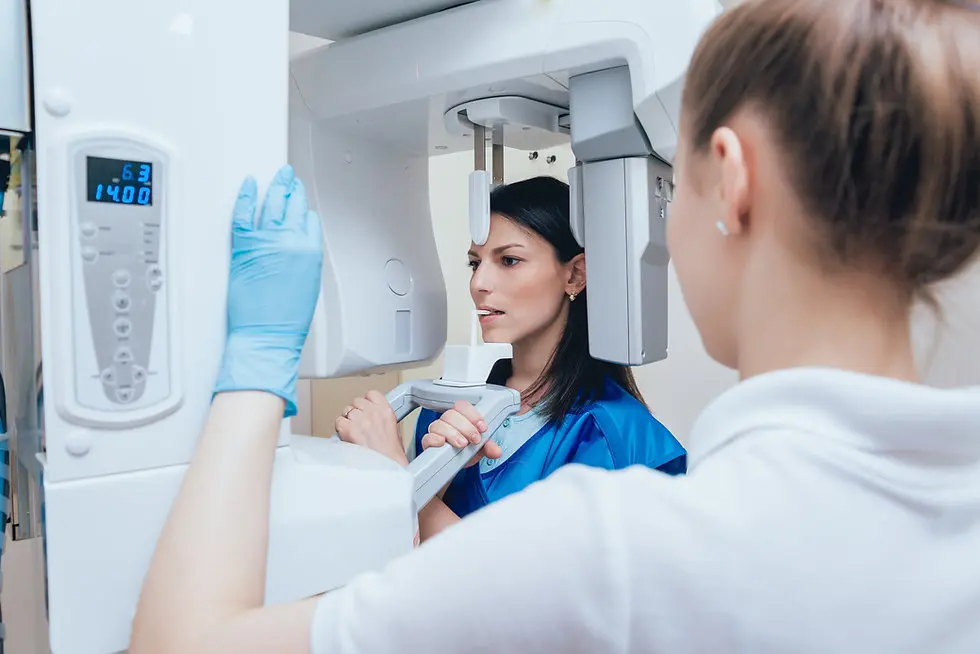
Step into a dental clinic and people often feel the same thing before they even see a chair. A quick scan of the reception, the lighting, the noise, the layout. Patients notice more than clinics sometimes realise. In Australia, where public spaces are expected to be practical, easy to move through, and inclusive, a dental clinic has a lot riding on its fitout. It is not just about looking polished. It is about making people feel they can walk in, settle down, and get on with life without extra stress.
That matters for kids with wobbly nerves, older patients with mobility issues, parents juggling prams, and anyone who gets a bit frazzled in medical settings. A clinic that feels accessible often feels kinder too. Not soft in a vague way, but clear, calm and easy to use. That is a win for patients and staff alike.
Why accessibility in dental clinics is more than a box-ticking exercise
A lot of people hear “accessibility” and think of ramps, handrails, and wide doors. Fair enough, those matter. Still, the best clinics think bigger than the basics. They consider how a person moves from the street to the chair, how they read signs, where they wait, how they hear instructions, and whether they feel embarrassed asking for help.
In Australian suburbs and city centres, clinics serve all sorts of communities. One day it might be a young professional in Melbourne rushing in on a lunch break. The next could be a pensioner in Perth using a walking frame, or a family in Brisbane trying to keep a toddler calm while waiting for an appointment. A thoughtful fitout makes room for all of them without fuss.
Clear pathways make a huge difference
People rarely talk about corridors unless they are too narrow, awkward, or full of obstacles. Then suddenly, everyone has an opinion. A good clinic layout gives people space to move without feeling boxed in. That means uncluttered entry points, sensible circulation paths, and enough room for wheelchairs, prams, and mobility aids.
It also helps staff. When the route from reception to treatment rooms makes sense, things flow better. Less weaving around corners. Less muttered apologies. Less chance of someone bumping into a trolley and pretending it was all part of the plan.
Reception should feel calm, not confusing
Reception is where first impressions settle in. If the desk is too high, the signage is tiny, or the seating is arranged like a game of musical chairs, patients notice. Some feel awkward asking questions. Others keep standing because they are not sure where to go.
A more inclusive setup keeps things straightforward. Lower sections at the counter help with eye-level conversation. Clear signs reduce uncertainty. Good lighting helps people read forms without squinting like they are trying to solve a mystery. It sounds simple, yet these small details shape the whole visit.
Waiting areas should be comfortable for different needs
Waiting rooms can be odd places. They are full of people pretending not to look nervous. In a dental setting, that tension is even more obvious. A smart fitout eases the mood by offering a range of seating options, open space for mobility devices, and a layout that does not feel cramped.
Some patients like a quiet corner. Others want to sit near the front so they do not miss their call. Families appreciate space for children, while older patients may need firmer chairs with proper arm support. A good waiting area does not force everyone into the same mould. It quietly adapts.
Lighting and acoustics can shape how safe a space feels
Bright, harsh light can be jarring. Dim corners can feel gloomy or uncertain. The sweet spot is usually somewhere in between, with lighting that is even, warm enough to feel pleasant, and strong enough for people to see where they are going. Natural light, where possible, often helps take the edge off clinical nerves.
Sound matters too. Clinics get noisy fast, especially when equipment is running and the phone keeps ringing. Acoustic planning can soften that sharp, echoey feel that makes some people tense up. For patients with sensory sensitivities, this is a big deal. For staff, it helps keep the day from feeling like a constant clatter. Nobody needs the soundtrack of a hardware shop while waiting for a filling.
Wayfinding should be obvious without feeling overdone
Good signage is almost invisible when it works well. People know where to go without having to stop and guess. In a clinic, that means clear labels, easy-to-read fonts, and consistent visual cues from the entrance to each treatment room.
Simple wayfinding also helps people who are anxious, hard of hearing, or dealing with cognitive challenges. If a space is confusing, stress rises quickly. If it is obvious, patients relax a little. That small shift can change the whole experience.
Accessibility also means dignity
This is the bit that often gets overlooked. Accessibility is not only about physical movement. It is about dignity. Nobody wants to feel like a burden because they need extra time, a bit more space, or a clearer explanation. A thoughtfully planned dental fitout can make those interactions feel normal rather than awkward.
That might mean a consultation room where a family member can sit in comfortably. It might mean storage that keeps assistive devices out of the way without making them feel hidden. It might be a layout that allows staff to offer help without hovering like nervous seagulls at the beach.
Materials and finishes matter more than people think
Some materials look lovely for about five minutes and then become a maintenance headache. In public-facing spaces, especially healthcare settings, finishes need to be durable, hygienic, and easy to clean, but they still need to feel welcoming. That balance matters.
Textures, colours and finishes can also affect how accessible a space feels. Too much glare can be uncomfortable. Overly busy patterns can confuse people with visual impairments. Softer tones, sensible contrasts, and a clean material palette tend to work well in Australian clinics, where people often appreciate spaces that feel fresh without being cold.
Staff workflow and patient access go hand in hand
A clinic can look gorgeous and still be a pain to use if the layout gets in the way of daily work. Staff need easy access to rooms, supplies, hand-washing points, and equipment. When the back-of-house flow is efficient, the front-of-house experience improves too.
That link is easy to miss. Yet when staff are not constantly sidestepping obstacles, patients feel the difference. Appointments run more smoothly. Instructions are delivered more clearly. The whole place feels more settled, which is no small thing when someone is already nervous about sitting in a dental chair.
Australian clinics need to think locally, not just legally
Compliance matters, obviously. Australian standards and accessibility requirements set a baseline, and that baseline exists for good reason. Still, the smartest clinics think about their local community too. A practice in inner Sydney may face narrow sites and tight access points. A regional clinic in Queensland may need to account for different age groups, longer travel times, and a broader mix of patient needs.
Climate can play a part as well. In hotter regions, shaded entryways and easy transitions from outside to inside help people arrive more comfortably. In wetter areas, flooring choice and slip resistance become especially practical. A truly inclusive fitout responds to place, not just policy.
Small details often make the biggest difference
Australian patients may not always say it out loud, but they notice the little things. Is there a place to park a pram without blocking everyone? Is the toilet easy to find? Can someone with hearing challenges follow what is being said at reception? Does the space feel like it was designed for real people or just admired in a mood board?
These details matter because they create trust. And trust, in healthcare, is worth its weight in gold. A clinic that feels accessible from the start tells people they are expected, respected, and welcome.
Accessibility is good business, not just good manners
There is a practical side to all of this too. Clinics that are easier to access tend to attract a wider range of patients and create smoother visits. Fewer misunderstandings. Fewer bottlenecks. Better comfort. Better word of mouth. People remember how a space made them feel, and that memory can stick longer than the appointment itself.
In the end, an inclusive dental clinic is not flashy for the sake of it. It is calm, clear and human. That is what people want when they are already a bit on edge and hoping the appointment goes quickly. A well-planned fitout helps make that possible, and in the Australian context, that is more than a nice extra. It is part of doing the job properly.
