
Visual effects (VFX) have become a critical part of modern content creation, shaping everything from films and OTT series to advertising and digital media. As production standards continue to rise, the demand for professionals who can deliver realistic, high-quality visual effects has increased significantly. This shift has made practical, hands-on training the most important factor when choosing a VFX institute.
India’s media and entertainment industry is projected to reach ₹3,45,000 crore by 2028, growing at a CAGR of 8.3%, driven by digital consumption and advertising growth. This expansion is directly contributing to the increasing demand for trained VFX professionals across multiple sectors.
For students starting their research, exploring options such as the top VFX institute in India can provide an initial direction before evaluating what truly defines practical training.
This guide explains how to identify VFX institutes that focus on real-world skill development, practical exposure, and career readiness.
Why Practical Training Matters in VFX Education
VFX is not a theory-driven discipline. It requires consistent practice, technical precision, and the ability to work within structured production environments. Students who rely only on theoretical learning often struggle when faced with real-world projects that involve multiple stages and dependencies.
Practical training ensures that students understand how visual effects are created, refined, and integrated into final outputs. It also helps them develop problem-solving skills, which are essential when dealing with complex scenes or unexpected challenges.
Institutes that emphasize hands-on learning prepare students to contribute effectively in professional environments from the beginning of their careers.
What Defines Practical Training in a VFX Institute
Practical training goes beyond simply using software tools. It involves understanding workflows, applying techniques in real scenarios, and refining output through feedback.
Institutes that focus on practical learning typically include:
- Project-based assignments that simulate real production tasks
- Multi-stage workflows involving compositing, simulation, and rendering
- Iterative feedback cycles to improve work quality
- Portfolio-driven learning that emphasizes final output
This approach ensures that students gain both technical skills and production awareness.
Key Features of Top VFX Institutes in India
Identifying the right institute requires evaluating several factors that directly influence learning quality and career outcomes.
Curriculum Focused on Real-World Applications
A strong curriculum should reflect industry practices rather than outdated concepts. Look for programs that include:
- Compositing techniques and layering workflows
- Green screen keying and cleanup
- Simulation of natural elements such as fire, smoke, and water
- Lighting and rendering for realistic visuals
Courses that align with industry requirements help students build relevant skills.
Hands-On Project Work
Practical training depends heavily on the type and quality of projects included in the course. Top institutes emphasize:
- Real-world project scenarios
- Complex assignments involving multiple stages
- Continuous refinement through feedback
Students who work on such projects develop a deeper understanding of VFX workflows.
Exposure to Industry-Standard Tools
Professional VFX work relies on specialized software.
Students should gain experience with:
- Nuke
- Adobe After Effects
- Houdini
- Autodesk Maya
Hands-on exposure to these tools ensures familiarity with real production environments.
Faculty With Industry Experience
Faculty members play a crucial role in delivering practical training. Look for instructors who:
- Have worked on real VFX projects
- Understand production pipelines
- Provide detailed and actionable feedback
Experienced mentors help students bridge the gap between learning and professional work.
Industry Exposure and Internship Opportunities
Industry exposure helps students understand real-world expectations and workflows. Top institutes offer:
- Internship programs with studios
- Guest lectures by industry professionals
- Workshops and live project experience
These opportunities provide valuable insights and networking possibilities.
Understanding VFX Production Pipelines
A key aspect of practical training is understanding how production pipelines function. VFX work is not performed in isolation; it is part of a larger system where multiple teams collaborate to create the final output.
Students must learn how different stages such as asset creation, compositing, and rendering interact with each other. This understanding helps them work efficiently and avoid errors that can impact the entire project.
Institutes that emphasize pipeline-based learning prepare students for real-world workflows and team environments.
Importance of Portfolio Development in VFX Training
A strong portfolio is one of the most important outcomes of VFX education. Employers evaluate candidates based on their ability to produce high-quality work rather than academic qualifications.
Students should focus on building portfolios that demonstrate:
- Realistic visual integration
- Technical accuracy
- Consistency across projects
- Problem-solving ability
Institutes that prioritize portfolio development provide a significant advantage in the job market.
Infrastructure and Technical Environment
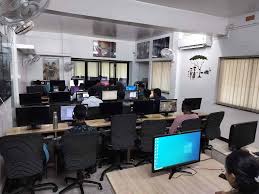
The quality of infrastructure directly affects the learning experience in VFX training. Since VFX work requires high computational power, access to the right systems is essential.
Students should evaluate whether the institute provides:
- High-performance computer systems
- Licensed software access
- Dedicated VFX workstations
- Reliable rendering capabilities
A well-equipped environment allows students to handle complex projects effectively.
Industry Demand for Skilled VFX Professionals
The demand for VFX professionals continues to grow as content production increases across industries. Streaming platforms, gaming, and advertising are all contributing to the expansion of VFX applications.
The global visual effects market is expected to grow significantly, reaching over $20 billion by 2030, driven by demand from film, television, and digital media. This growth highlights the need for skilled professionals who can work on complex projects.
Students who receive practical training are better prepared to take advantage of these opportunities and build long-term careers.
How to Evaluate VFX Institutes Effectively
Choosing the right institute requires careful evaluation beyond marketing claims.
Students should consider:
- Academic credibility: Check whether the institute follows a structured and recognized curriculum
- Student outcomes: Review portfolios, competition participation, and project quality
- Alumni success: Look for graduates working in studios or contributing to major productions
- Industry connections: Evaluate partnerships, internships, and exposure opportunities
These factors provide a clearer understanding of the institute’s value.
Common Mistakes When Choosing a VFX Institute
Students often make decisions based on incomplete information.
Avoid:
- Choosing institutes based only on fees
- Ignoring practical exposure
- Overlooking curriculum depth
- Not reviewing student work
These mistakes can limit both learning outcomes and career opportunities.
Tips for Students Entering VFX Training
Students can improve their learning experience by taking a structured approach.
Focus on:
- Building strong foundational concepts
- Practicing regularly
- Creating small projects before complex ones
- Seeking feedback and improving continuously
Consistency plays a key role in skill development.
Balancing Creativity and Technical Skills
VFX requires a balance between creative thinking and technical execution. Artists must be able to visualize effects while ensuring they are implemented accurately.
Students should develop:
- Strong visual observation skills
- Technical proficiency with tools
- Attention to detail
- Problem-solving ability
Courses that integrate both aspects prepare students for diverse roles in the industry.
Final Thoughts
Top VFX institutes in India stand out because of their focus on practical training, real-world workflows, and industry alignment. Students should prioritize institutes that offer hands-on learning, strong mentorship, and portfolio development rather than relying solely on theoretical instruction.
By selecting the right institute and committing to continuous improvement, students can build the skills needed to succeed in a growing and competitive VFX industry.
