
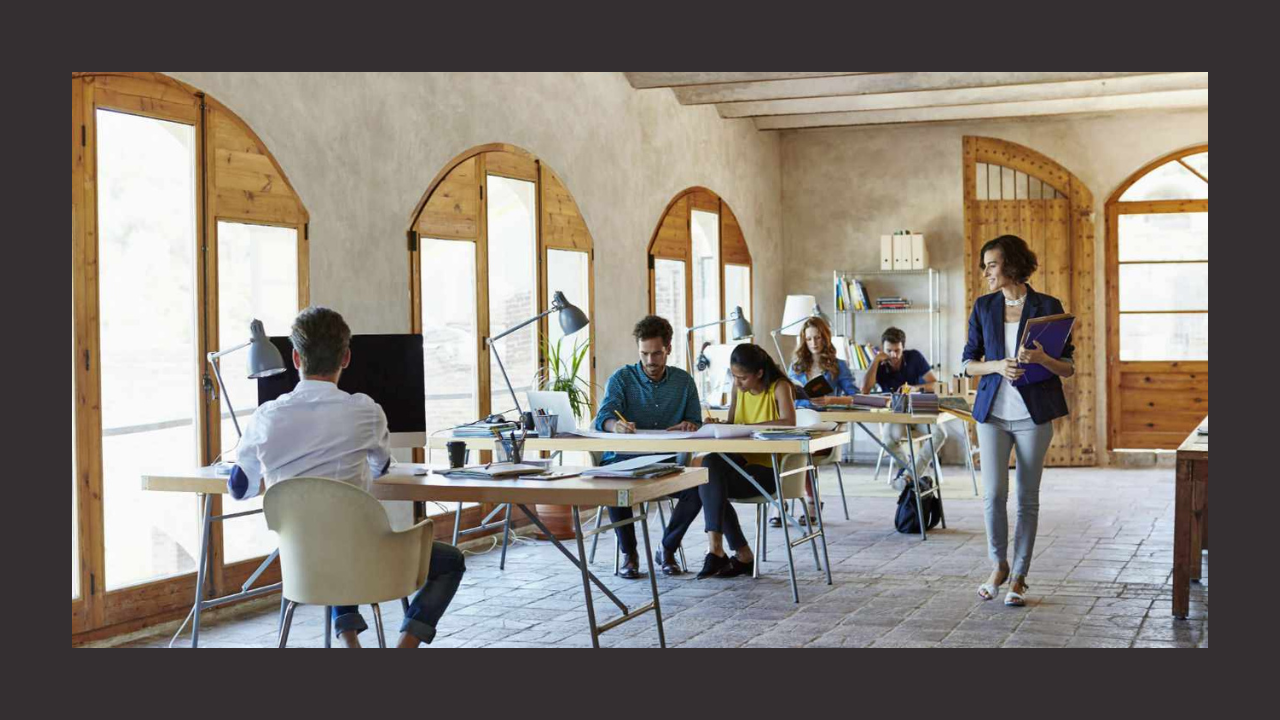
White has become one of the most influential colours in professional environments. From healthcare facilities to offices and educational buildings, it is increasingly chosen for both visual and practical reasons.
This preference goes beyond surface level design and connects closely with how people respond emotionally and psychologically to their surroundings. Our article will explore why white continues to shape professional spaces where cleanliness, focus, and reassurance are essential.
Why White Creates a Sense of Calm
Colour psychology often links white with clarity, balance, and mental calm. In professional environments, these associations are especially valuable. Spaces that appear orderly and predictable often support lower stress levels, which may help people feel more settled and focused during their time inside them.
Workplace design studies frequently highlight the use of neutral palettes to reduce visual distraction. White surfaces do not compete for attention, allowing the environment to feel open instead of overwhelming. This visual quietness supports concentration in offices, steadiness in clinical settings, and structure in learning environments where consistency matters.
The Strong Psychological Link Between White and Hygiene
One of the clearest reasons for the widespread use of white lies in its connection to cleanliness and hygiene. White surfaces make marks, damage, and dirt easier to identify, which supports consistent cleaning practices and maintenance routines.
In sectors governed by strict hygiene regulations, such as healthcare, education, and food preparation, this visibility plays an important role. Materials designed to support cleanliness often adopt white finishes for this reason. Products like white hygienic cladding panels are commonly selected because their smooth, non porous surfaces support easier cleaning while reinforcing the visual cues associated with sanitation and care.
White as a Symbol of Trust and Professionalism
In professional spaces, colour choices influence perception just as much as layout or lighting. White is widely associated with honesty, transparency, and reliability, making it a common choice in environments where trust is critical.
Research linked to patient experience in healthcare settings suggests that brighter, lighter interiors are often perceived as cleaner and more professional. While colour alone does not define service quality, it strongly affects first impressions. White surfaces help signal that standards are taken seriously, particularly in public facing spaces such as clinics, laboratories, and administrative buildings.
How White Influences Behaviour in Work Settings
Environmental design does not only affect appearance. It also shapes behaviour. White dominated environments are often linked with order, precision, and attentiveness. When a space looks clean and structured, people may be more inclined to treat it with respect.
In office settings, white backdrops support focused work and clear communication. In educational spaces, lighter environments often reinforce consistency and routine, which are particularly important for maintaining structure. Designers often combine white with texture or natural light to avoid spaces feeling cold, ensuring the environment remains welcoming while retaining its professional character.
White and Modern Professional Design
White has also become closely tied to modern professional aesthetics. Many contemporary interiors favour simplicity, clean lines, and minimal visual clutter. White supports these principles by reflecting light and making spaces appear larger and brighter.
This approach is especially common in commercial refurbishments where access to natural light may be limited. White surfaces help maximise brightness without excessive artificial lighting. This practical benefit aligns with sustainability considerations while maintaining a professional appearance that ages well over time.
How Colour Reflects Purpose
White’s continued presence in professional environments reflects more than design preference. It represents calmness, trust, hygiene, and control, while also meeting practical needs related to cleaning, lighting, and long-term usability.
As professional spaces continue to evolve, white remains a reliable choice that communicates intent without distraction. When examined closely, its role in shaping perception and behaviour becomes increasingly clear, making it a defining element of modern professional design.
