
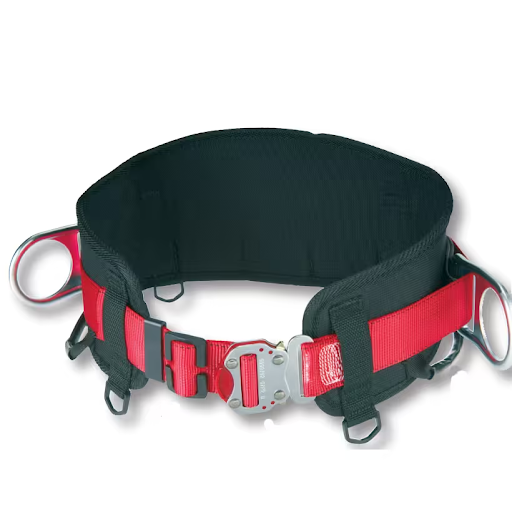
Working at height presents unique challenges and risks that demand specialized safety solutions. From construction sites and telecom towers to utility maintenance and industrial plants, elevated work environments require reliable fall protection systems. Among the essential tools for such tasks are work positioning belts, designed to provide stability, comfort, and enhanced safety while performing duties at height.
A premium positioning belt range ensures workers can maintain secure positioning, reduce fatigue, and improve productivity without compromising safety. In this comprehensive guide, we will explore the importance, features, benefits, and applications of work positioning belts in elevated work environments.
Understanding Work Positioning Belts
Work positioning belts are personal protective equipment (PPE) designed to support workers while they perform tasks at height. Unlike fall arrest harnesses, positioning belts are primarily used to keep workers securely in place, allowing hands-free operation.
These belts are typically worn around the waist and connected to an anchorage point through a positioning lanyard. The system enables the worker to lean back comfortably while maintaining stability and balance. High-quality work positioning belts are essential for tasks requiring precision and extended periods of elevated work.
Why Elevated Work Environments Require Positioning Solutions
Elevated environments pose risks such as slips, loss of balance, and sudden shifts in posture. Workers often need both hands free to complete tasks like electrical wiring, welding, installation, or maintenance. Without proper support, fatigue and instability can increase accident risks.
Premium positioning belts address these challenges by:
- Providing firm waist support
- Allowing controlled movement
- Reducing strain on the lower back
- Enhancing overall balance
- Increasing worker confidence
By integrating dependable work positioning belts, companies create safer and more efficient job sites.
Key Features of Premium Positioning Belts
When selecting positioning belts for elevated work, quality and design play a crucial role. Premium belts offer advanced features that enhance safety and durability.
1. High-Strength Materials
Premium belts are constructed from durable polyester or nylon webbing capable of withstanding heavy loads and harsh weather conditions. Reinforced stitching ensures long-lasting performance.
2. D-Rings for Secure Attachment
Side D-rings provide secure connection points for lanyards. High-grade steel or alloy D-rings resist corrosion and deformation.
3. Comfortable Padding
Ergonomic padding reduces pressure on the waist and lower back, especially during prolonged use. Comfort encourages consistent usage and reduces fatigue.
4. Adjustable Fit
Adjustable buckles and straps accommodate various body sizes and ensure a snug, secure fit.
5. Tool Attachment Points
Some advanced belts include tool loops and attachment rings for convenient equipment storage.
These features make premium work positioning belts a reliable choice for demanding industrial applications.
Applications Across Industries
Positioning belts are widely used in industries where elevated tasks are routine. Some common sectors include:
Construction Industry
Construction workers frequently operate on scaffolding, rooftops, and steel structures. Positioning belts help maintain stability while installing beams, electrical wiring, or plumbing systems.
Telecommunications
Tower climbers rely on positioning belts to stabilize themselves while installing or repairing communication equipment.
Utilities and Power Distribution
Electricians working on poles or substations benefit from hands-free positioning systems.
Industrial Maintenance
Maintenance technicians working on elevated machinery or storage tanks require stable support for precision tasks.
In each of these environments, work positioning belts enhance both safety and productivity.
Positioning Belts vs. Fall Arrest Harnesses
It is important to distinguish between positioning belts and fall arrest harnesses. Positioning belts are designed to hold a worker in place, while fall arrest harnesses are meant to stop a fall in progress.
In many cases, positioning belts are used in combination with full-body harnesses for comprehensive fall protection. Employers must evaluate job requirements carefully and ensure that workers use the appropriate equipment for each task.
Compliance and Safety Standards
Safety equipment used in elevated environments must comply with recognized industry standards such as OSHA (Occupational Safety and Health Administration), ANSI (American National Standards Institute), or EN standards.
Premium work positioning belts are tested for load capacity, durability, and resistance to environmental factors. Employers should verify certifications and ensure equipment is regularly inspected. Compliance not only protects workers but also safeguards organizations from legal and financial liabilities.
The Importance of Proper Training
Even the most advanced positioning belt is ineffective without proper training. Workers must understand:
- How to wear and adjust the belt correctly
- How to attach lanyards securely
- Proper anchorage point selection
- Inspection procedures before use
- Emergency response protocols
Training ensures workers use equipment confidently and correctly, minimizing risks and maximizing safety.
Maintenance and Inspection Guidelines
Routine maintenance is essential for extending the lifespan of positioning belts. Employers should establish regular inspection schedules and encourage workers to examine belts before each use.
Look for signs of:
- Frayed webbing
- Damaged stitching
- Corroded D-rings
- Worn padding
- Faulty buckles
Any damaged equipment should be removed from service immediately. Proper storage in a clean, dry environment further preserves belt integrity.
By maintaining high-quality work positioning belts, companies ensure consistent performance and long-term reliability.
Benefits of Investing in Premium Positioning Belts
Investing in premium safety equipment delivers measurable advantages.
Enhanced Worker Safety
High-quality belts reduce instability and minimize accident risks.
Increased Productivity
Comfortable positioning allows workers to focus on tasks without distraction.
Reduced Fatigue
Ergonomic designs alleviate lower back strain during extended work periods.
Long-Term Cost Savings
Durable construction reduces the need for frequent replacements.
Improved Employee Confidence
Workers feel secure and supported, fostering a positive safety culture.
Organizations that prioritize premium work positioning belts demonstrate a commitment to workplace safety and operational excellence.
Innovations in Positioning Belt Design
Modern positioning belts incorporate innovative features to enhance performance. Lightweight materials reduce overall load, while breathable padding improves comfort in hot climates. Some models feature quick-release mechanisms for emergency situations.
Advancements in material technology have also improved resistance to UV exposure, chemicals, and extreme temperatures. These innovations ensure belts perform reliably in challenging industrial environments.
Building a Safer Elevated Work Environment
A comprehensive fall protection strategy goes beyond a single piece of equipment. It involves hazard assessment, proper training, regular inspections, and high-quality protective gear. Positioning belts are a critical component of this system, enabling workers to perform tasks safely and efficiently.
Employers should conduct risk assessments to determine appropriate safety measures and ensure that workers have access to certified, durable equipment. Combining positioning belts with additional PPE such as helmets, gloves, and safety footwear creates a complete protection system.
Conclusion
Elevated work environments demand dependable safety solutions that protect workers while enabling productivity. Premium work positioning belts provide stability, comfort, and confidence for tasks performed at height.
By investing in high-quality positioning belts, ensuring compliance with safety standards, and providing proper training, organizations can significantly reduce workplace risks. Durable materials, ergonomic designs, and innovative features make premium positioning belts an essential component of modern fall protection systems.
Prioritizing safety is not just a regulatory requirement—it is a responsibility that supports employee well-being and long-term business success. With the right positioning belt range, companies can create safer, more efficient elevated work environments for their teams.
Visit More : widemagazine.co.uk
