
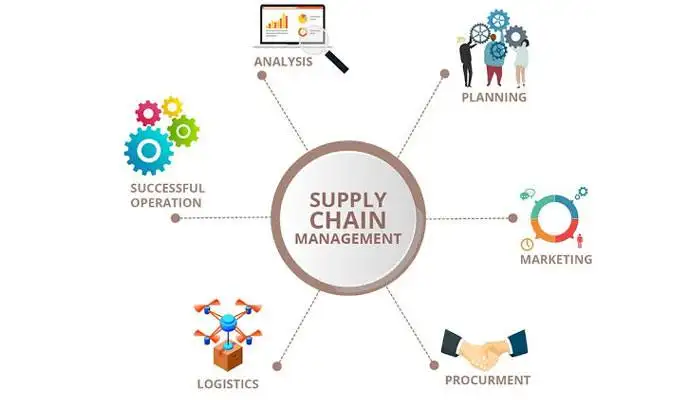
Ever wondered how your favorite gadgets or groceries make it to your doorstep so seamlessly? Behind the scenes, it’s the magic of supply chain management (SCM) at work. In today’s fast-paced world, where global trade, disruptions like pandemics, and tech innovations shake things up constantly, a Master’s in Supply Chain Management isn’t just a degree—it’s a launchpad for a dynamic career. If you’re eyeing this path, you’re probably curious about what skills you’ll pick up along the way. Let’s dive in and explore how this advanced education equips you with tools to excel, from crunching data to leading teams through chaos.
Why Pursue a Master’s in SCM?
First off, pursuing a masters in supply chain management means immersing yourself in a field that’s evolved far beyond simple logistics. Programs at universities like MIT, Michigan State, or even online options from places like Coursera partners blend theory with real-world applications. You’ll tackle case studies from companies like Amazon or Procter & Gamble, learning how to optimize everything from sourcing raw materials to delivering finished products.
But the real value? The skills you gain aren’t just academic—they’re practical, transferable, and in high demand. According to recent reports from the Bureau of Labor Statistics, jobs in logistics and supply chain are projected to grow by 30% through 2032, way faster than average. So, what exactly do you walk away with?
Building Analytical Prowess
One of the cornerstone skills is analytical prowess. Supply chains generate mountains of data—think inventory levels, supplier performance, and customer demand patterns. In your master’s program, you’ll dive into courses on data analytics, using tools like Excel, SQL, or even Python to make sense of it all.
Imagine forecasting demand for seasonal products; you’ll learn to spot trends and avoid costly overstocking. I remember chatting with a friend who graduated from such a program—he said his capstone project involved analyzing a real company’s supply data to cut costs by 15%. That kind of hands-on experience sharpens your ability to turn raw numbers into actionable insights, making you indispensable in roles like supply chain analyst or operations manager.
Mastering Strategic Planning
Then there’s strategic planning, which ties everything together. SCM isn’t about reacting to problems; it’s about anticipating them. Your studies will cover global strategy, teaching you to design resilient networks that span continents.
You’ll explore topics like lean manufacturing and just-in-time inventory, drawing from pioneers like Toyota’s production system. This skill set helps you think big-picture: How do tariffs affect sourcing from China? What’s the impact of Brexit on European distribution? By the end of your degree, you’ll be crafting strategies that balance cost, speed, and reliability.
It’s not uncommon for graduates to step into consulting gigs, advising firms on revamping their chains for efficiency. Picture yourself in a boardroom, presenting a plan that saves millions—that’s the confidence a master’s builds.
Expertise in Logistics and Operations
Of course, no supply chain runs without solid logistics and operations knowledge. You’ll gain expertise in transportation modes, warehouse management, and procurement. Courses often include simulations where you manage virtual supply chains, dealing with delays or strikes.This hones your operational skills, from negotiating with suppliers to optimizing routes using software like SAP or Oracle. In an era where e-commerce is king, understanding last-mile delivery—that final stretch to the customer—becomes crucial.
Employers love this because it directly impacts the bottom line; efficient operations mean happier customers and lower expenses. One alum I know landed a job at FedEx right out of school, crediting her program’s focus on real-time tracking tech for giving her an edge.
Embracing Technology in SCM
Technology is another game-changer you’ll master. Supply chains are going digital, with AI, blockchain, and IoT leading the charge. Your program might include modules on emerging tech, where you learn how blockchain ensures transparent sourcing or how AI predicts disruptions.Hands-on projects could involve building dashboards with tools like Tableau. This isn’t just buzzwords—it’s about applying tech to solve problems, like using drones for inventory checks or machine learning for demand forecasting.
In a world where companies like Walmart use AI to restock shelves automatically, these skills position you as a forward-thinker. Plus, with sustainability on everyone’s radar, you’ll learn how tech aids green practices, like reducing carbon footprints through optimized routing.
Developing Leadership and Communication Skills
Leadership and communication skills often get overlooked, but they’re vital in SCM. Supply chains involve people—suppliers, teams, stakeholders—so you’ll take classes in project management and negotiation.
Role-playing exercises simulate tough conversations, like handling a supplier dispute. You’ll also work on group projects, mimicking cross-functional teams in corporations.
This builds soft skills: articulating complex ideas, motivating others, and fostering collaboration. Think about it—a supply chain manager might coordinate with marketing on product launches or finance on budgeting. Graduates often say this interpersonal training helps them climb to executive roles faster, like director of global operations.
Navigating Risk Management
Risk management is a skill that’s become non-negotiable post-COVID. Your master’s will teach you to identify vulnerabilities, from natural disasters to geopolitical tensions.You’ll study frameworks like SCOR (Supply Chain Operations Reference) model and conduct risk assessments. This involves scenario planning: What if a key port shuts down? How do you diversify suppliers?
With tools like Monte Carlo simulations, you’ll quantify risks and devise mitigation strategies. This expertise is gold in industries like pharmaceuticals, where delays can be life-threatening. It’s empowering to know you can turn potential crises into opportunities for resilience.
Focusing on Sustainability and Ethics
Sustainability and ethics round out the skill set. Modern SCM programs emphasize responsible practices—sourcing ethically, minimizing waste, and promoting circular economies.
You’ll explore how to integrate ESG (Environmental, Social, Governance) factors into decisions. Case studies might cover companies like Patagonia, which prioritizes sustainable materials.
This not only aligns with global regulations but also appeals to eco-conscious consumers. Gaining these skills means you’re prepared for roles in green logistics or corporate social responsibility, where you can drive positive change while boosting profits.
A Future-Proof Career Path
Wrapping it up, a Master’s in Supply Chain Management arms you with a toolkit that’s versatile and future-proof. From analytics and strategy to tech and leadership, these skills open doors to rewarding careers in manufacturing, retail, healthcare, and beyond.
Salaries aren’t shabby either—median pay for logisticians hovers around $77,000, with managers earning well over $100,000. If you’re passionate about problem-solving and global impact, this degree could be your ticket.
Sure, it takes commitment—typically 1-2 years of study—but the payoff is immense. Talk to alumni, attend info sessions, and see if it fits your goals. Who knows? You might be the one orchestrating the next big supply chain revolution.
Visit More : widemagazine.co.uk
