
In healthcare, every second matters. A patient may stop breathing without warning. A heart may stop beating in the middle of a routine day. In moments like these, the right action can mean the difference between life and death.
This is why CPR training is one of the most important skills for healthcare professional. It prepares nurses, doctors, technicians, and caregivers to respond quickly during emergencies. With proper training, a professional can act with calm focus instead of panic.
Learning CPR is not only about meeting job requirements. It is about being ready when someone needs help the most. If you want to understand how a healthcare professional gets certified and why it matters so much, keep reading to learn the steps involved.
Why CPR Certification Is Essential in Healthcare
Healthcare professionals often work in environments where medical emergencies can happen at any time. Hospitals, clinics, nursing homes, and emergency units all require staff who know how to respond quickly.
CPR certification teaches how to restore breathing and circulation when a patient’s heart stops. The training also includes the correct use of chest compressions, rescue breathing, and automated external defibrillators.
Beyond the technical skills, the certification builds confidence. When a crisis occurs, trained professionals can act quickly and follow proven steps to improve the chances of survival.
Choosing the Right Certification Program
CPR training programs can differ significantly from one another. Healthcare professionals should look for courses that meet recognized medical and safety standards.
A strong program will include updated guidelines, clear instruction, and practical examples of real emergency situations. Many programs also offer flexible learning options that combine online lessons with hands-on practice.
Some professionals begin their certification through trusted online learning platforms such as https://cprcertificationnow.com before completing practical training requirements.
Understanding the Training Process
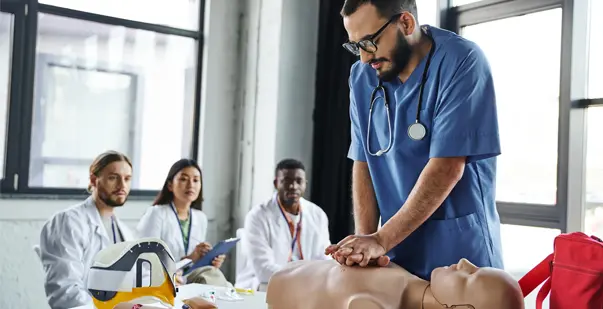
CPR training includes lessons and practice. The course starts by teaching how the heart and lungs work in an emergency.
Students learn how to spot cardiac arrest and what to do right away. They also learn how fast and how deep to press on the chest. The course also teaches how to use basic emergency tools.
Many programs use videos, demos, and guided practice. These help workers learn the right steps and timing to help save a life.
Keeping Your Certification Current
CPR rules can change as doctors learn more. Because of this, CPR certification does not last forever. Healthcare workers need to renew it every few years.
Renewal classes teach the newest CPR steps. They also help workers practice the skills again. Even skilled workers need this review because CPR must be done the right way and at the right speed.
Get Certified in CPR as a Healthcare Professional
CPR certification is more than a job rule. It is a life-saving skill. It helps healthcare workers act fast when every second counts.
Each trained worker becomes an important part of saving a life. With the right training and practice, they can step in during an emergency and help someone survive.
By getting CPR certified and keeping it up to date, healthcare professional grow in their career. At the same time, they help protect the patients who depend on them.
For more on this content, visit the rest of our blog!
Visit More : widemagazine.co.uk
