
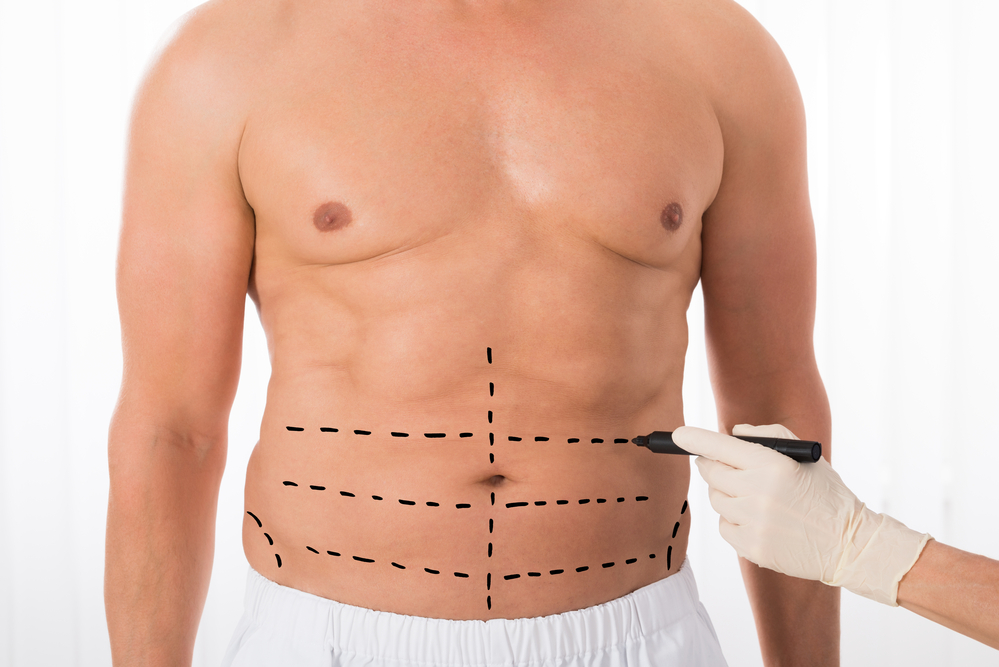
Body contouring procedures have evolved to address excess skin and fat more comprehensively. Especially after significant weight loss or pregnancy. Two commonly discussed options are the 360 tummy tuck and the 360 lower body lift in London. While both target the midsection, they differ in scope, surgical technique, and overall outcomes. Understanding these differences helps patients make informed decisions based on their body goals and anatomical needs.
What Is a 360 Tummy Tuck?
A 360 tummy tuck is an advanced abdominoplasty technique that addresses the entire abdominal circumference. Unlike a traditional tummy tuck that focuses mainly on the front of the abdomen. The 360 approach tightens and contours:
- The upper and lower abdomen
- The flanks (love handles)
- The lower back area
This procedure often includes muscle repair (rectus diastasis correction). Removal of excess skin, and liposuction for improved contour definition.
Who Is It Suitable For?
A 360 tummy tuck is generally suitable for individuals who:
- Have loose abdominal skin after pregnancy
- Experience muscle separation
- Have moderate excess skin around the waistline
- Want enhanced waist contouring without extensive back or thigh lifting
It is commonly chosen by patients who want improved abdominal definition while maintaining a relatively focused surgical area.
What Is a 360 Lower Body Lift in London?
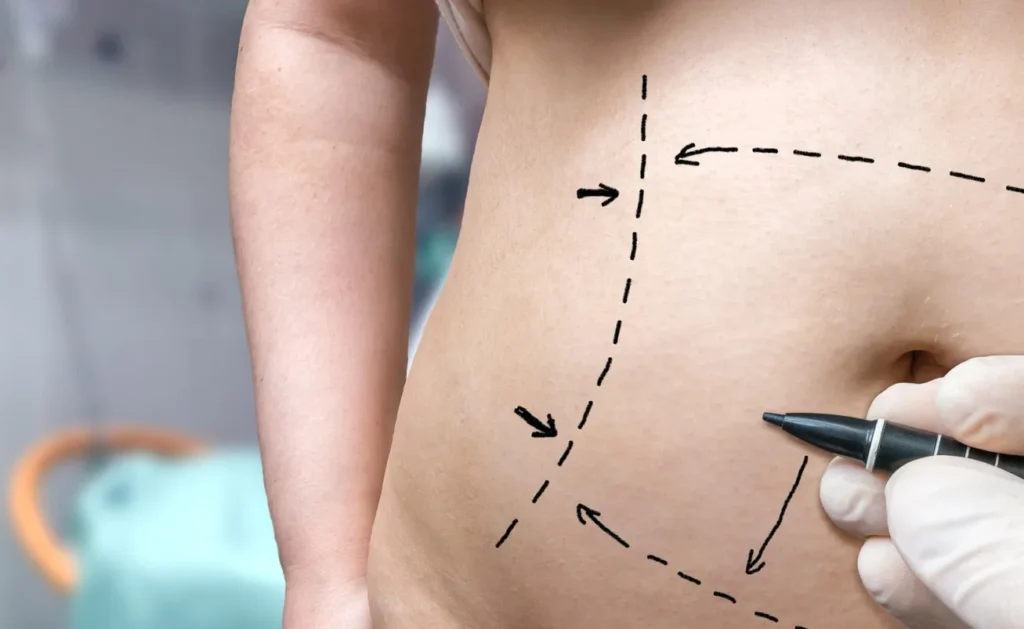
A 360 lower body lift in London is a more extensive body contouring procedure that removes excess skin and fat from the entire lower torso. It typically includes:
- Abdominal tightening
- Lifting of the buttocks
- Contouring of the flanks
- Removal of excess lower back skin
- Improvement of upper thigh laxity
This procedure is especially popular among patients who have undergone massive weight loss. Including post-bariatric patients.
Who Is It Suitable For?

A 360 lower body lift in London is typically recommended for patients who:
- Have significant skin laxity after major weight loss
- Experience sagging in the buttocks and upper thighs
- Have circumferential loose skin that extends beyond the abdomen
It is more comprehensive than a 360 tummy tuck and addresses a broader range of contour concerns.
Key Differences Between the Two Procedures
Scope of Treatment
The primary difference lies in the extent of correction.
A 360 tummy tuck focuses mainly on abdominal contouring and waist definition. While it may include back liposuction and skin tightening. It does not significantly lift the buttocks or outer thighs.
A 360 lower body lift in London addresses the entire lower body circumference. Including lifting sagging buttocks and tightening the upper thighs. It is a more transformative procedure for patients with substantial tissue laxity.
Surgical Complexity
A 360 tummy tuck is complex but generally less extensive than a lower body lift.
A 360 lower body lift requires longer operating time. Greater surgical planning, and more involved post-operative care. It often involves repositioning tissues more dramatically around the entire lower torso.
Recovery Time
Recovery for a 360 tummy tuck typically involves:
- Wearing compression garments
- Limited physical activity for several weeks
- Return to light work within two to three weeks
Recovery for a 360 lower body lift in London is generally longer due to the larger surgical area. Patients may require:
- More extended rest
- Additional wound care
- A longer period before resuming full physical activity
Swelling and healing may take several months in both cases. But lower body lift patients often experience a more gradual recovery.
Scarring
Both procedures involve circumferential scars positioned strategically to be concealed under clothing.
A 360 tummy tuck scar typically sits around the waistline, similar to an extended abdominoplasty.
A 360 lower body lift scar also runs circumferentially but may be positioned slightly differently depending on the lift of the buttocks and thighs. While scars are longer in both procedures, experienced surgeons aim to place them discreetly.
Muscle Repair
Muscle repair is commonly included in a 360 tummy tuck, particularly for patients with abdominal muscle separation.
In a 360 lower body lift in London, abdominal muscle repair may also be performed, but the focus extends beyond the abdominal wall to global tissue repositioning.
Benefits of Each Procedure
Benefits of a 360 Tummy Tuck
- Flatter, firmer abdomen
- Improved waist definition
- Muscle tightening
- Removal of excess abdominal skin
- Enhanced clothing fit
It is ideal for patients who want significant abdominal improvement without a full lower body transformation.
Benefits of a 360 Lower Body Lift in London
- Circumferential skin tightening
- Buttock lift and reshaping
- Improved thigh contour
- Comprehensive post-weight loss body reshaping
- Dramatic overall transformation
This procedure is better suited to patients with widespread skin laxity rather than isolated abdominal concerns.
Factors to Consider Before Choosing
Extent of Skin Laxity
If excess skin is primarily limited to the abdomen and flanks, a 360 tummy tuck may be sufficient.
If loose skin extends to the buttocks and thighs, a 360 lower body lift in London may provide more balanced results.
Weight Stability
Both procedures require stable body weight. Significant future weight fluctuations can affect outcomes.
Lifestyle and Recovery Commitment
A lower body lift involves longer recovery and potentially greater disruption to daily routines. Patients must be prepared for the healing timeline and post-operative restrictions.
Surgical Goals
Clarify whether your goal is improved abdominal contour or a full lower torso transformation. A detailed consultation with an experienced surgeon helps align surgical planning with realistic expectations.
Summary
A 360 tummy tuck and a 360 lower body lift in London both address circumferential contouring, but they differ in scope and intensity. The 360 tummy tuck focuses primarily on abdominal tightening and waist definition, often including muscle repair and liposuction. The 360 lower body lift is more comprehensive, lifting and reshaping the abdomen, buttocks, flanks, and upper thighs, making it particularly suitable for patients after major weight loss.
Choosing between the two depends on the extent of skin laxity, aesthetic goals, recovery readiness, and overall health. A personalised surgical assessment ensures the selected approach provides balanced, natural-looking results aligned with your body contour objectives.
Visit More : widemagazine.co.uk
