
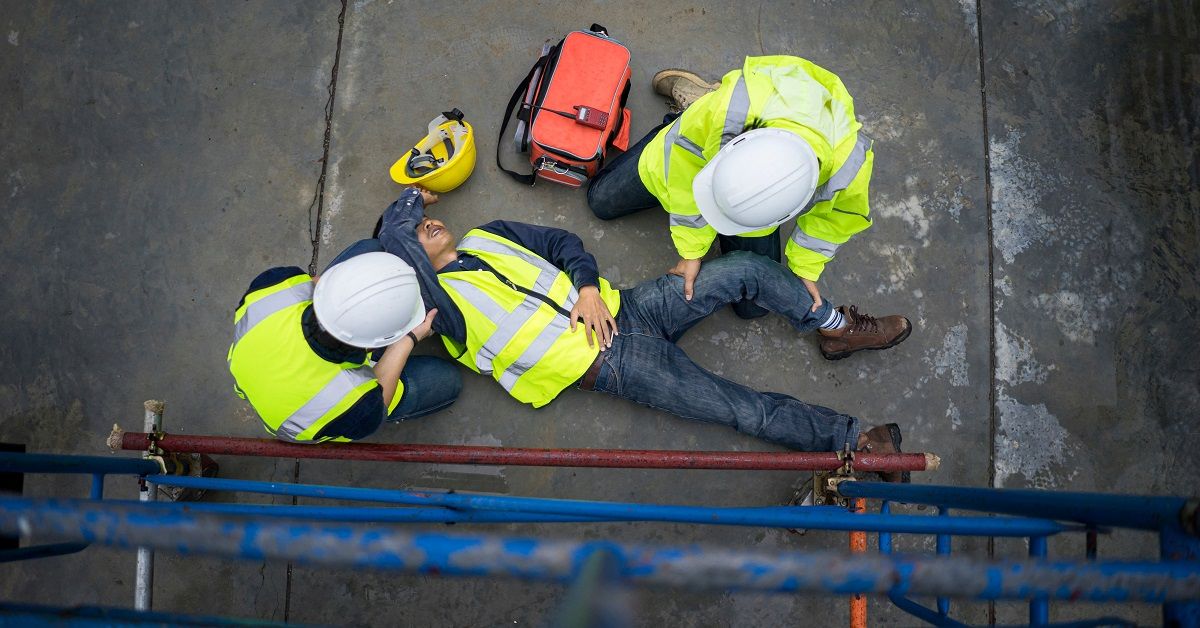
Construction sites are dynamic and crowded places where a single oversight can cause severe damage. The long-term consequences of work and home life can be falls, being struck by, manual handling injuries, and dust or chemical exposure. When an accident occurs, most individuals approach construction accident solicitors to learn what assistance is available and whether another party has failed to comply with fundamental site regulations. In Scotland, compensation is not a reward for getting injured. It is supposed to represent pain and disturbance and to compensate for financial losses resulting from the injury. A claim also relies on the liability, and in most cases, the liability lies in whether the duty holders took reasonable steps to ensure the risk under workplace safety law was avoided.
How Liability Is Often Established In Scotland
The majority of successful claims are based on a breach of duty, i.e., that a person in charge failed to exercise reasonable care. The general responsibility of the employers is to safeguard the workers as far as is reasonably practicable. Additional obligations are imposed on construction projects under the Construction (Design and Management) Regulations, such as the need to plan, coordinate, and follow the construction phase plan, where applicable.
Some common failures include poor risk assessment, inadequate access equipment, absence of edge protection, deficient guarding, ineffective training, feeble supervision, and pressure to work unsafely to save time. The blame can lie with an employer, a principal contractor, or any other duty holder, depending on who had control over the risk.
The Two Main Parts Of Compensation
There are two broad categories of awards in Scotland. The former is the non-financial impact, commonly referred to as solatium, which entails pain, suffering, and loss of enjoyment of life. The second is financial loss, which encompasses the money that you have lost or are likely to lose due to the injury, like wages and expenses. These sections are not evaluated based on guesses. Medical history, treatment regimen, and the impact of the injury on daily living are all factors.
Medical Costs And Treatment Expenses
Reasonable costs associated with recovery can be included in compensation. This can include individual evaluation, physiotherapy, rehabilitation assistance, drug expenses, and equipment required to support healing, all tailored to the injury and supported by evidence.
Commute to appointments may also be taken into consideration, as well as parking and other expenses. If the injury requires continuous treatment, future treatment expenses can also be considered. Receipts and notes are good, as it is easier to establish costs when they are noted as they occur.
Loss Of Earnings And Work Impact
A significant portion of a construction accident claim is frequently wage loss. Where the injury led to absence, time off work, reduced hours, and loss of overtime, these can be included.
Future loss may apply when an injury causes a loss of earning capacity, restricts working opportunities, or compels one to work in low-paying jobs. Contributions can also be affected by earnings reductions, known as pension losses.
For self-employed workers, documentation can include accounts, invoices, and evidence of cancelled work. For employees, it can be in the form of payslips and an employer’s confirmation.
Care, Support, And Home Adjustments
Injuries often create pragmatic needs that can be overlooked. Family and friend assistance can be considered a loss when it substitutes for activities you would have otherwise performed, such as cooking, cleaning, childcare, shopping, or transport. Necessary services are claims under Scottish law in personal injury cases.
Where care is required, these costs can be added. Some injuries require aids or home modifications, such as handrails, bathroom modifications, ramps, or special seating. These expenses may be represented in a claim as long as they are reasonable and connected to the injury.
Psychological Harm And Quality Of Life
Construction injuries may affect confidence, sleep, mood, and routine. The overall effect may include anxiety following a fall, fear of heights, and symptoms of stress. Solatium is intended to portray the human impact of trauma, not necessarily the physical suffering.
Evidence matters here, too. An articulate description of the symptoms, the assistance of healthcare providers, and a record of the change in life can be used to measure this aspect of the claim.
Time Limits And Early Steps That Help
Personal injury actions in Scotland are typically limited to a three-year timeframe by the Prescription and Limitation (Scotland) Act 1973, subject to certain exceptions and a restricted discretion on the part of the court in certain cases. Since timing is a factor to consider, it is usually prudent to seek advice early.
Evidence can also be safeguarded through practical measures. Report the incident, get medical attention, take pictures of hazards when safe, and maintain records of witnesses. Store receipts, payslips and appointment notes. Such records help associate losses with the accident and minimise future disputes.
A Clear View Of What A Claim Can Do
Construction accident compensation may be used to compensate both the personal and financial effects of an injury, such as solatium, wage loss, treatment expenses, care requirements, and future work restrictions. The issue of liability usually reduces to whether the duty holders on the site fulfilled their obligations under workplace safety legislation and construction regulations. Early knowledge of these areas can assist an injured worker in making more relaxed decisions about the next steps and in concentrating on recovery as the practical problems are resolved.
