
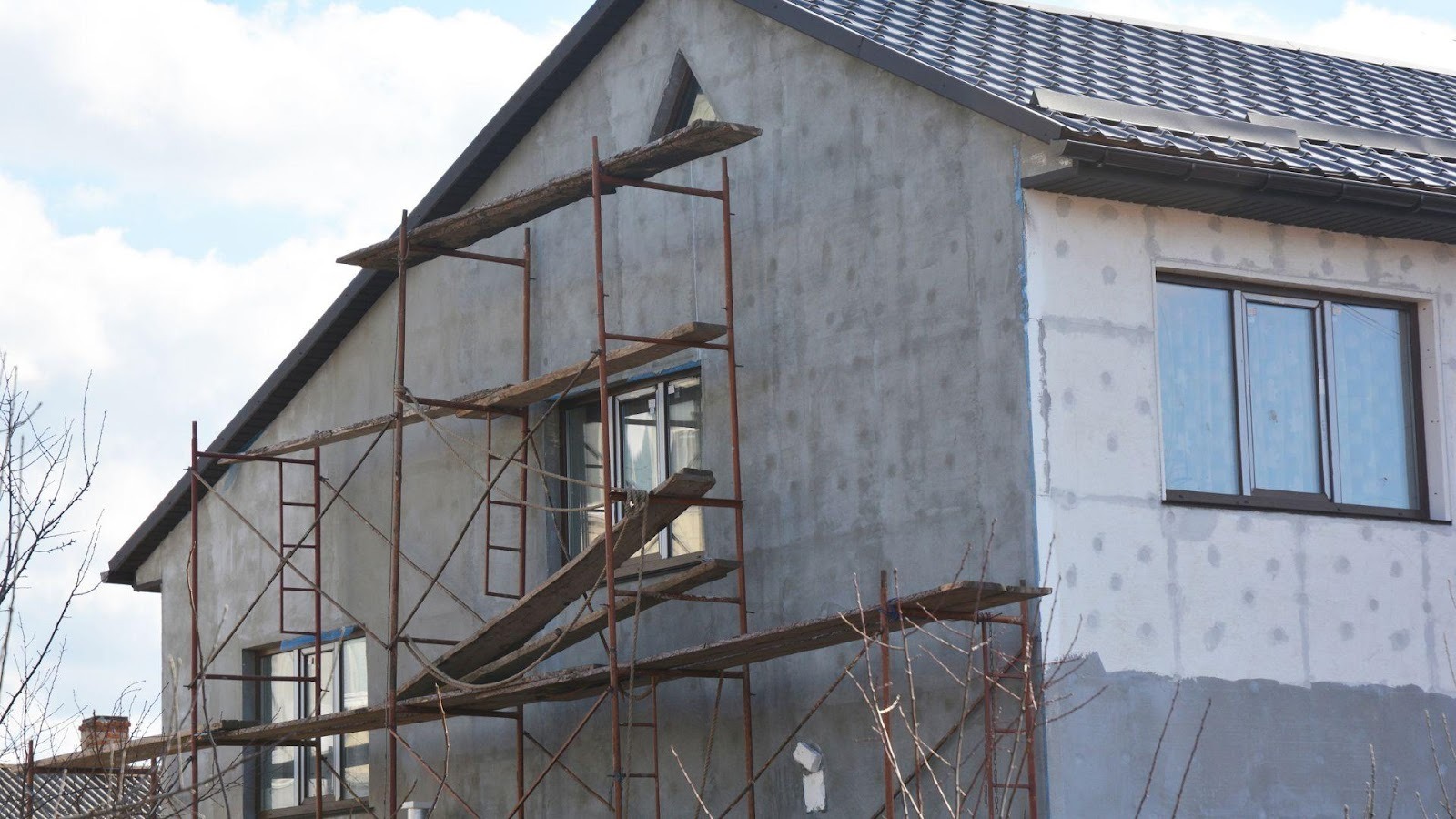
Rising energy prices and growing awareness of building efficiency are pushing UK homeowners to look for smarter ways to reduce heat loss. One solution that continues to gain popularity is the use of external wall insulation systems. By improving thermal performance and protecting the building structure, these systems offer a practical approach to lowering energy bills while increasing long-term property value.
External Wall Insulation Systems in the UK: Benefits and Cost Savings
Rising energy costs and stricter building regulations have made thermal efficiency a top priority for homeowners across the UK. One of the most effective ways to improve a building’s performance is through external wall insulation systems, which not only enhance energy efficiency but also contribute to long-term cost savings and property value.
In this article, we take a closer look at how modern EWI solutions work, what benefits they offer, and why they are becoming increasingly popular in both residential and commercial projects.
What Are External Wall Insulation Systems?
External Wall Insulation (EWI) involves applying a layer of insulation material to the exterior walls of a building, followed by a protective render or finish. This forms an unbroken layer that effectively minimizes heat escape.
Unlike internal insulation, EWI does not reduce indoor space and helps eliminate thermal bridging – one of the main causes of energy inefficiency in older UK properties.
Modern external wall insulation systems are designed as complete solutions, typically including:
- Insulation boards (e.g. EPS, mineral wool)
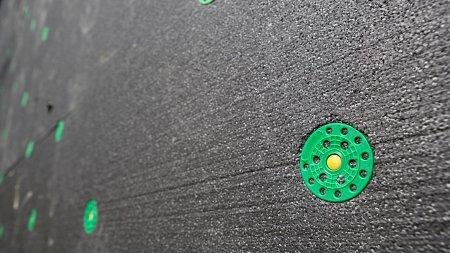
- Adhesives and mechanical fixings
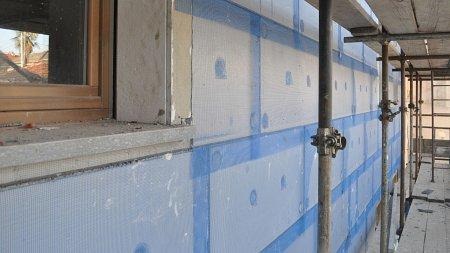
- Reinforcement mesh
- Base and finishing coats
Each component plays a crucial role in ensuring durability, weather resistance, and optimal thermal performance.
How External Wall Insulation Improves Energy Efficiency
One of the biggest advantages of EWI is its ability to drastically reduce heat loss through walls, which in many UK homes accounts for up to 35% of total energy loss.
By installing a high-quality insulation system, homeowners can:
- Maintain a more stable indoor temperature
- Reduce reliance on heating systems
- Improve overall building energy ratings (EPC)
This results in lower energy consumption and a more comfortable living environment throughout the year.
For those exploring reliable and proven solutions, modern external insulation systems are designed to meet UK standards and deliver consistent performance in varying weather conditions.
Cost Savings Over Time
While the initial investment in external wall insulation may seem significant, it should be viewed as a long-term investment rather than a short-term expense.
Lower Energy Bills
Properly installed EWI can lead to noticeable reductions in heating costs, especially in older properties with poor insulation. Over time, these savings can offset a large portion of the installation costs.
Reduced Maintenance Costs
External insulation protects the building envelope from weather damage, reducing the need for frequent repairs to external walls.
Increased Property Value
Homes with improved energy efficiency and modern exterior finishes are more attractive to buyers and can achieve higher market values.
Types of External Wall Insulation Materials
Choosing the right insulation material is key to achieving the desired performance.
EPS (Expanded Polystyrene)
- Lightweight and cost-effective
- Good thermal performance
- Widely used in residential projects
Mineral Wool
- Excellent fire resistance
- High breathability
- Suitable for buildings requiring enhanced safety standards
Phenolic Foam (PIR)
- Very high insulation performance
- Thinner boards required
- Ideal for projects with space limitations
The selection depends on project requirements, budget, and building specifications.
Why Quality Systems Matter
Not all insulation solutions are equal. The performance of an EWI installation depends not only on materials but also on system compatibility and proper installation.
Using a complete and tested system ensures:
- Long-term durability
- Resistance to moisture and weather
- Compliance with UK building regulations
For this reason, many professionals choose to source materials from specialised suppliers offering complete external wall insulation systems designed for the UK market.
Professional Supply and System Selection
When planning an insulation project, selecting the right supplier is just as important as choosing the right materials. Access to high-quality products, technical guidance, and system compatibility can significantly impact the final result.
If you’re looking for proven solutions and reliable supply, you can explore a wide range of Penguin BM products designed for modern construction needs. Their offer includes carefully selected systems tailored to UK standards and project requirements.
Compliance with UK Building Regulations
External wall insulation systems must comply with UK regulations, particularly Part L (Conservation of Fuel and Power).
Key considerations include:
- Achieving required U-values
- Ensuring proper installation methods
- Using certified materials and systems
Working with experienced suppliers and installers helps ensure that all regulatory requirements are met.
For official guidance on energy efficiency standards, it is also recommended to refer to UK Government resources and current regulations.
Long-Term Benefits Beyond Cost Savings
While financial savings are often the primary motivation, EWI systems offer several additional advantages:
Improved Comfort
Eliminates cold spots and drafts, creating a more consistent indoor climate.
Enhanced Appearance
Modern renders and finishes can completely transform the exterior of a building.
Environmental Impact
Lower energy consumption means reduced carbon emissions, supporting sustainability goals.
Conclusion
External wall insulation is no longer just an optional upgrade – it is becoming a key element of modern building performance in the UK. With rising energy costs and stricter regulations, investing in high-quality external wall insulation systems offers both immediate and long-term benefits.
From improved thermal efficiency and reduced heating bills to enhanced property value and aesthetics, EWI solutions provide a comprehensive approach to building improvement.
Choosing the right system and supplier ensures that your investment delivers lasting results and meets the highest standards of performance and durability.
Visit More : widemagazine.co.uk
