
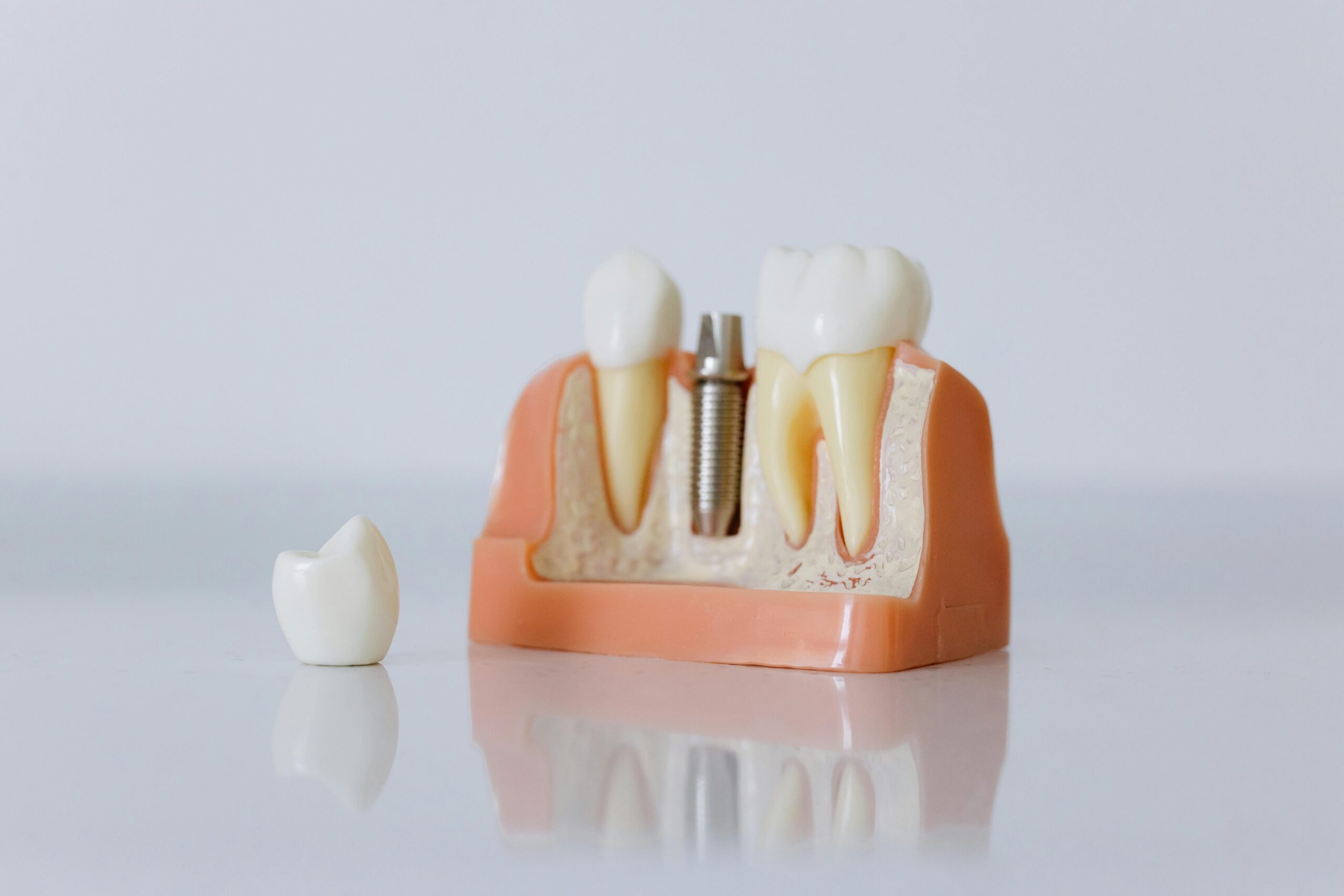
Dental implants are intended to provide a durable, long-lasting replacement for missing teeth. They look natural, feel stable and allow you to eat and speak with confidence. While implants cannot decay like natural teeth, they still need careful daily cleaning and regular professional care to stay healthy.
This guide explains how to clean dental implants properly, why good oral hygiene matters, and how simple habits can protect your implants for years to come.
Why Cleaning Dental Implants Matters
Dental implants replace the root of a tooth, but they still sit in the jawbone and are surrounded by gum tissue. This means plaque and bacteria can still build up around them.
If implants are not cleaned properly, bacteria can irritate the gums and lead to inflammation. Over time, this may develop into peri-implant disease, which can damage the bone supporting the implant. In severe cases, this can cause implant failure.
Good cleaning habits help protect both the implant and the surrounding gums, keeping your mouth healthy and comfortable.
Daily Cleaning Routine for Dental Implants
Caring for dental implants should be part of your normal oral hygiene routine. The basics remain the same, but attention to detail is key.
Clean your teeth no less than twice daily with a soft-bristle toothbrush to help protect your enamel and gums. This helps clean around the implant crown and along the gum line without causing damage. Electric toothbrushes can also be effective, especially those with pressure sensors.
Use a low-abrasive toothpaste. Some whitening toothpastes are too harsh and may scratch implant surfaces over time.
Floss every day. This is essential for cleaning between implants and neighbouring teeth where a toothbrush cannot reach. Special implant floss or interdental brushes are often recommended, as they are designed to clean gently around implants.
Using Interdental Brushes and Floss
Interdental brushes are small, thin brushes that clean between teeth and implants. They are particularly helpful for implants because they can reach areas that trap plaque.
Choose the correct size. A brush that is too large can irritate the gums, while one that is too small may not clean effectively. Your dentist or hygienist can advise on the right size for your mouth.
Flossing around implants should be done carefully. Slide the floss gently around the implant crown and below the gum line. Avoid snapping the floss, as this can injure the gums.
Daily cleaning between teeth plays a major role in preventing gum disease and inflammation.
Mouthwash and Additional Cleaning Aids
Mouthwash can be a useful addition to your routine, but it should not replace brushing and flossing. Alcohol-free mouthwashes are usually recommended, as alcohol can cause dryness and irritation.
Some patients benefit from water flossers. These devices use a stream of water to clean around implants and gum lines. They can be especially helpful for people with limited dexterity or multiple implants.
While these tools can improve cleaning, they work best when used alongside traditional brushing and flossing.
Professional Cleaning and Dental Check-Ups
Even with excellent home care, professional cleaning is essential for implant health. Regular check-ups allow Lee Dental and Implant Practice to monitor the condition of your implants, gums and bone levels. Early signs of inflammation can often be treated easily if caught early. Dentists and hygienists use specialised instruments designed to clean implants safely without scratching them.
In the UK, guidance from the NHS highlights the importance of routine dental visits for maintaining oral health, including for patients with dental implants.
Signs Your Implants May Need Attention
Healthy implants should feel comfortable and stable. If you notice bleeding when brushing, redness around the implant, or persistent bad breath, these may be signs of gum inflammation.
Other warning signs include swelling, tenderness or a feeling that the implant is loose. These symptoms should be checked as soon as possible.
Prompt treatment can often prevent minor issues from becoming serious problems.
Lifestyle Habits That Affect Implant Health
Oral hygiene is not the only factor that affects dental implants. Lifestyle choices also play a role.
Smoking increases the risk of implant complications by reducing blood flow to the gums and slowing healing. Patients who smoke are more likely to develop gum disease around implants.
Diet matters too. Eating a nutritious, well-rounded diet helps maintain healthy gums and strong bones. Sugary foods and drinks encourage plaque build-up, which can irritate gums even around implants.
Teeth grinding can also put pressure on implants. If you grind your teeth at night, a protective mouthguard may be recommended.
How Implant Care Differs from Natural Teeth
Although implants cannot get cavities, the gums around them can still become infected. This is why implant care focuses heavily on gum health.
Natural teeth have ligaments that help absorb pressure. Implants do not. This means excessive force from grinding or biting hard objects can cause damage more easily.
Implants also require more precise cleaning around the gum line, where bacteria tend to gather. Being thorough but gentle is essential.
Common Myths About Cleaning Dental Implants
One common myth is that implants need less care than natural teeth. In reality, they often need more attention.
Another misconception is that if an implant feels fine, it must be healthy. Gum disease around implants can develop quietly, without pain in the early stages.
Understanding how implants work helps patients take better care of them.
For further background on how dental implants function, the British Dental Association provides helpful educational information for patients.
Long-Term Benefits of Good Implant Care
Looking after dental implants properly helps them last for many years. Good cleaning habits protect the gums, preserve bone support and reduce the risk of costly repairs or replacement.
Healthy implants also support overall oral health. When gums are healthy, neighbouring teeth are better protected, and the mouth feels more comfortable.
For many patients, implants restore confidence and quality of life. Keeping them clean ensures those benefits last.
Final Thoughts
Dental implants are a reliable and effective solution for missing teeth, but their success depends on proper care. Daily cleaning, regular dental visits and healthy lifestyle choices all play a role in keeping implants strong and gums healthy.
By following a consistent cleaning routine and seeking professional advice when needed, patients can protect their investment and enjoy long-lasting oral health.
If you have dental implants or are considering them, understanding how to care for them is one of the most important steps you can take for your smile.
Visit More : widemagazine.co.uk
