
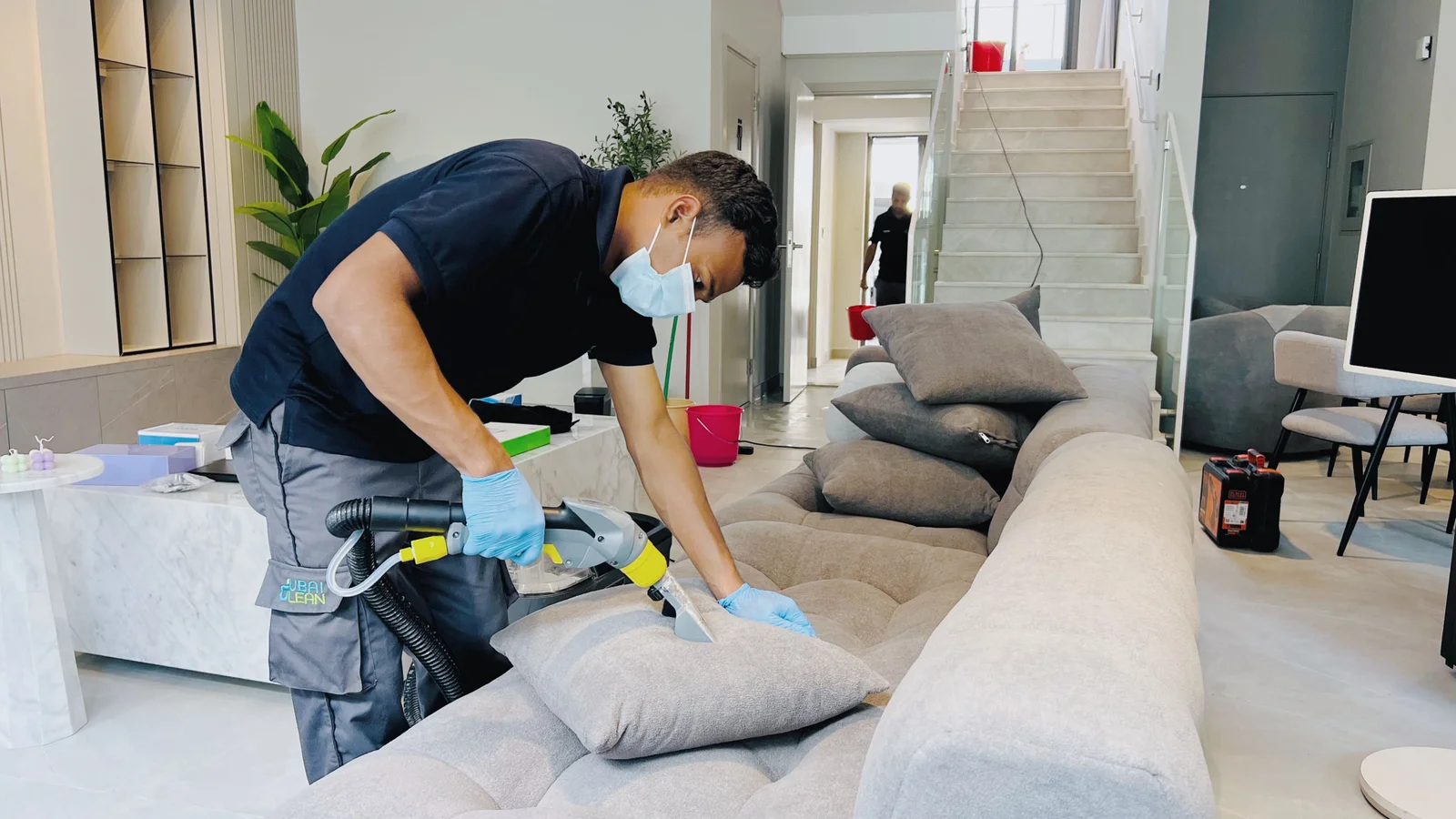
No, fabric sofas are not a bad choice. But they do demand smarter selection, consistent care and maintenance. The real problem is not the material itself but the gap between what people buy and what the environment requires. With the right fabric and a solid maintenance routine, a modern upholstered sofa can last just as long in an arid, sand-heavy city as it would anywhere else in the world.
Right vs Wrong Sofa Fabric for Hot and Humid Conditions
| Fabric | Verdict | Why |
| Microfiber | Excellent | Tight weave repels dust and resists stains |
| Performance Polyester | Excellent | UV stable, breathable, easy to clean |
| Linen | Good (with care) | Breathable but wrinkles and stains easily |
| Cotton | Moderate | Absorbs moisture, fades faster under sun |
| Velvet | Poor | Traps dust, overheats, hard to maintain |
| Silk | Avoid | Fragile, stains permanently, fades quickly |
| Untreated Leather | Poor in heat | Cracks in dry air, sticky in humidity |
Key Takeaways
1. Tightly woven synthetic fabrics like microfiber and performance polyester handle heat, dust, and UV exposure far better than natural alternatives.
2. Fabric color matters. Lighter shades absorb less heat and show less dust, while darker shades resist visible fading longer.
3. Professional upholstery cleaning every 6 to 12 months is not optional in sandy, humid conditions. It is essential for furniture care.
4. UV window films and breathable sofa covers can triple the lifespan of your upholstery by slowing photodegradation.
What Heat, Dust, and UV Exposure Actually Do to Upholstery?
The Arabian Peninsula sits within the global dust belt that stretches from North Africa to East Asia, one of the most concentrated zones of airborne particulate matter on the planet. Temperatures regularly exceed 40°C in summer, and fine desert sand infiltrates homes through doors, windows, and ventilation systems. Roughly 60 percent of indoor dust originates outdoors, carried in by foot traffic and airflow. That dust settles deep into woven upholstery fibers, trapping allergens and bacteria over time.
UV radiation compounds the damage. It accounts for approximately 40 percent of all fabric fading and fiber degradation, breaking molecular bonds in dyes through a process called photodegradation. In regions with intense year-round sun exposure, unprotected upholstery can lose color and structural integrity within months. Meanwhile, a study on indoor environments in the UAE found that residents spend over 90 percent of their time indoors due to extreme outdoor temperatures. This means sofas absorb constant use alongside constant environmental stress.
Indoor dust in the region also carries metallic contaminants such as calcium, zinc, and lead. A PMC analysis of settled dust across 20 locations in the city confirmed elevated concentrations of these elements, making regular sofa deep cleaning not just an aesthetic concern but a genuine health priority.
How to Make Your Fabric Sofa Last in Harsh Conditions
Choose a tightly woven, UV stable fabric. Keep it away from direct sunlight and clean it regularly before dust has a chance to settle into the fibers. Everything else is a bonus, but these three habits alone will protect your investment for years.
Pick the Right Weave and Finish
A sofa rated above 25,000 double rubs on the Wyzenbeek abrasion test is built for heavy daily use. Performance fabrics with stain resistant coatings add another layer of defense. Solution dyed acrylic, where color is embedded into the fiber rather than applied on top, holds up exceptionally well against prolonged sun exposure. When shopping, always ask for the abrasion rating and UV resistance grade before committing to a purchase.
Control the Indoor Environment
Position sofas away from floor to ceiling windows. Install UV protective window films or sheer curtains that filter sunlight without blocking airflow. Keep indoor humidity between 40 and 50 percent using your HVAC system or a standalone dehumidifier. This range discourages dust mite growth while protecting fabric fibers from moisture related wear.
Regular Sofa Cleaning Routine
Vacuum upholstery weekly with a soft brush attachment to prevent sand and dust from grinding into the weave. Blot spills immediately with a clean cloth. Rotate and flip cushions monthly to distribute wear evenly. For deeper intervention, professional sofa cleaning service every 6 months makes a measurable difference. Certified cleaners in Dubai, like Churchill Gulf, use fabric safe steam extraction and eco-friendly sanitization methods for sofa cleaning tailored to the region’s unique conditions. These methods keep upholstery looking and feeling fresh without risking fiber damage.
Use Protective Accessories
Washable slipcovers and breathable throws serve as the first line of defense. They absorb daily dust and spills before the sofa fabric does. Arm covers and headrest protectors are small investments that prevent the most common wear points from breaking down early.
Avoid Steam Cleaning Without Checking the Fabric Code
Not all fabrics respond well to steam or water based cleaning. Every upholstered sofa comes with a cleaning code such as W for water safe, S for solvent only, WS for either, and X for vacuum only. Using steam on an S coded fabric can cause shrinkage, watermarks, or permanent discoloration. Always check the tag or manufacturer guidelines before attempting any deep clean yourself.
Common Mistakes That Shorten Sofa Life
Choosing a sofa based on showroom looks alone is the most frequent misstep. A beautiful chenille or raw silk piece may photograph well, but it will deteriorate within a single summer without constant maintenance. Placing furniture in direct sunlight, skipping weekly vacuuming, and using harsh chemical cleaners on delicate weaves are all habits that accelerate damage. Equally important is neglecting AC duct cleaning, because dirty ducts circulate dust particles directly onto your furniture all day long.
Summary!
The question was never whether fabric sofas belong in a hot, dusty city. They absolutely do. The real question is whether you are willing to choose the right one and take care of it. Performance fabrics have come a long way. Stain resistant, UV stable, and breathable options now exist at every price point. Pair that with consistent cleaning, smart furniture placement, and a few protective accessories, and your sofa will hold up beautifully for years. The climate is demanding, but your furniture does not have to suffer for it.
