
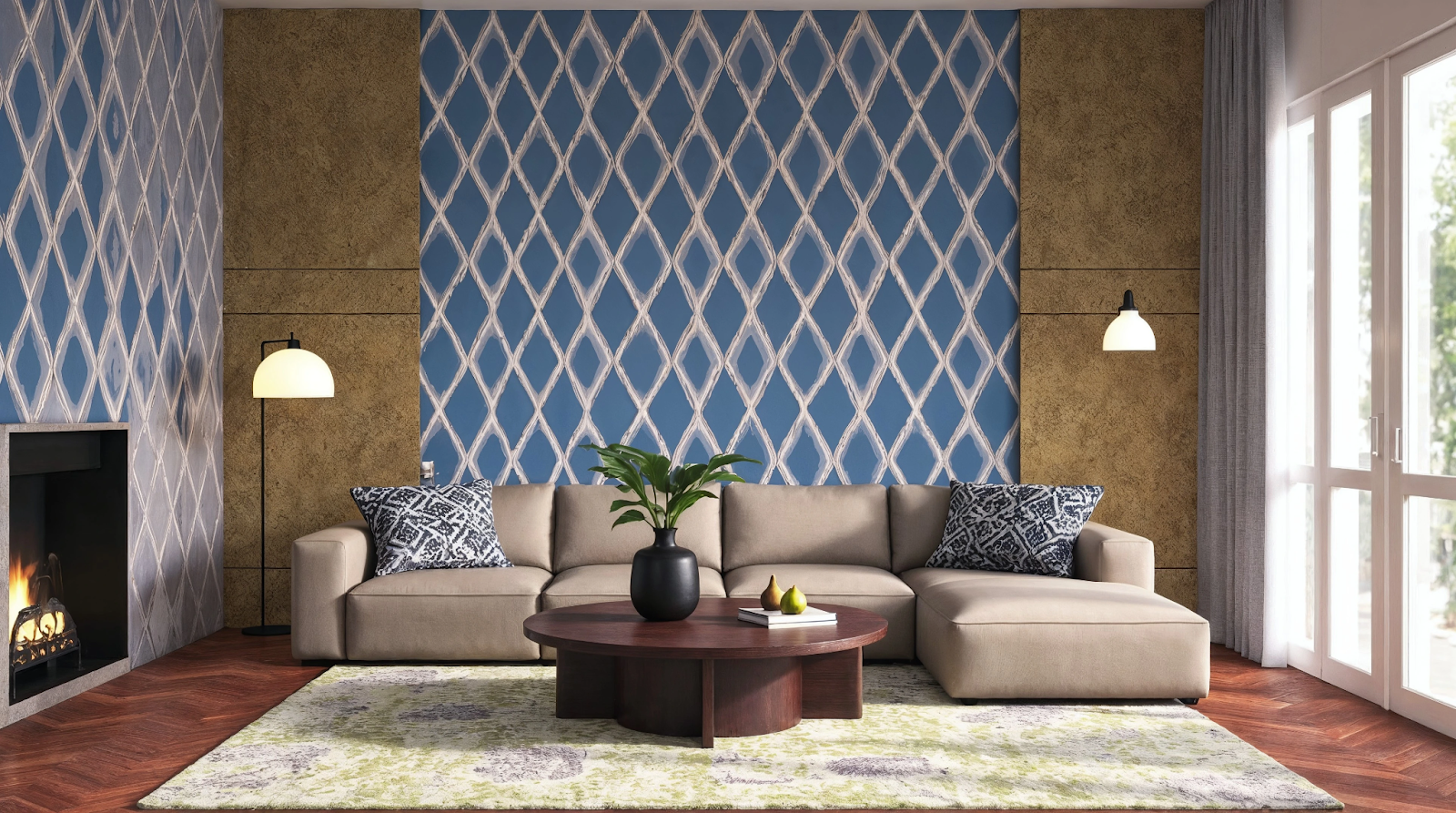
Plain walls serve a purpose, but they rarely make a statement. In many homes and offices, walls are treated as background elements—painted, ignored, and forgotten. They exist to separate spaces, not to inspire them. This approach often leaves rooms feeling incomplete, even when furnished well.
That’s where wall texture paint comes in. Instead of leaving walls flat and lifeless, this finish introduces depth, movement, and character. It turns an ordinary surface into a visual feature, adding interest without the need for heavy décor or framed artwork. When applied thoughtfully, texture paint can redefine the entire mood of a space.
Understanding Wall Texture Paint
Wall texture paint is designed to do more than add color. Its main purpose is to create a tactile and visual effect on the wall surface. Unlike regular paint, which dries smooth, texture paint contains aggregates or is applied using specific tools to form patterns, layers, and raised finishes.
These textures can range from subtle, almost fabric-like effects to bold, sculptural designs. The versatility of texture paint allows it to adapt to different interior styles, making it suitable for both modern and traditional spaces.
Why Texture Paint Feels Like Art
Art relies on depth, contrast, and emotion—and texture paint naturally delivers all three. The raised surfaces create depth, while shadows and highlights add contrast throughout the day. As lighting changes, the wall takes on a new appearance, much like a piece of art viewed under different conditions.
Emotion comes from the textures themselves. Finishes inspired by stone, sand, or concrete connect interiors to natural elements, making spaces feel grounded and intentional. Unlike framed art, textured walls are permanent and immersive.
Turning Imperfections into Advantages
One of the most practical benefits of texture paint is its ability to hide flaws. Minor cracks, uneven plaster, or surface inconsistencies are difficult to mask with smooth paint. Textured finishes naturally disguise these imperfections.
Rather than spending time and money on extensive repairs, many homeowners use texture paint as a creative solution. What once looked unfinished becomes a design feature that adds character to the space.
Popular Texture Styles That Elevate Walls
Different texture styles create different moods. Sand and stone textures provide warmth and a natural feel, making them ideal for living rooms and entryways. Concrete-style finishes suit modern interiors, offering a clean yet bold aesthetic.
Layered brush effects add an artistic, handcrafted look, while metallic textures introduce subtle luxury. Each style brings its own personality, allowing walls to reflect individual taste rather than following generic trends.
Light and Shadow: The Silent Artists
Texture paint interacts beautifully with light. Natural daylight highlights raised areas, while artificial lighting enhances shadows and depth. This constant interaction makes textured walls dynamic and visually engaging.
As the light shifts from morning to evening, the wall appears to change, giving the room a sense of movement and life that flat paint simply cannot achieve.
Creating a Focal Point Without Clutter
Instead of relying on large paintings or decorative panels, texture paint can create a focal point on its own. A single textured feature wall behind a sofa, bed, or dining table draws attention without overwhelming the room.
This approach works particularly well in minimalist interiors, where clean lines and simplicity are key. The wall becomes the statement, reducing the need for excess decoration.
Emotional Impact of Textured Spaces
Texture influences how a space feels as much as how it looks. Soft, flowing textures create warmth and comfort, while bold, rugged finishes add strength and confidence. These subtle emotional cues shape how people experience a room.
That’s why texture paint is often used in personal spaces like bedrooms and living areas, where atmosphere matters most.
Customization Makes Every Wall Unique
No two textured walls are ever exactly the same. Even with the same technique, hand application introduces natural variation. This uniqueness gives texture-painted walls a handcrafted, artistic quality.
Unlike wallpaper or printed designs, texture paint doesn’t repeat patterns perfectly, making each wall feel personal and authentic.
Long-Term Value and Durability
Texture paint isn’t just visually appealing—it’s durable too. It handles minor wear and tear better than smooth finishes, making it suitable for high-traffic areas. With proper application, it maintains its appearance for years.
This durability, combined with its artistic appeal, makes texture paint a long-term design solution rather than a passing trend.
Final Thoughts
Wall texture paint changes how we think about walls. Instead of acting as blank backdrops, they become expressive surfaces filled with depth and character. Without relying on bold colors or excessive décor, texture paint transforms plain walls into lasting works of art.
For anyone seeking a refined yet creative interior upgrade, texture paint offers a timeless way to make walls truly matter.
