
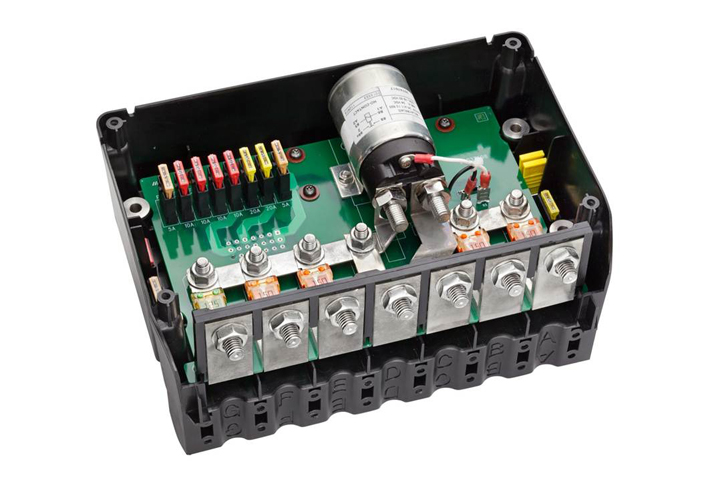
Electric car chargers, solar panels and home batteries have become some of the most popular home improvements in the UK. Many homeowners receive a quote, only to discover that their fuse box requires repairs or upgrades before the work can proceed.
It can feel like an upsell. In most cases it isn’t. The key factor is whether the current board can handle the electrical load safely, as older boards were not built to meet today’s household electricity demands.
What Your Fuse Box Actually Does
A fuse box, fuse board or consumer unit distributes electricity throughout your home via separate circuits and helps protect them when an electrical fault occurs.
Many older electrical panels were designed for the basic needs of a home, such as lighting, standard outlets, cooking appliances and possibly an electric shower. They may not be suitable for modern demands, including an electric vehicle charger operating at high power for extended periods or solar panels feeding electricity back into the system.
Why New Technology Tests Older Boards
An EV charger needs its own dedicated circuit. Solar panels and battery systems require proper safety measures and reliable isolation mechanisms. All of that has to fit into the board and work alongside everything already there.
An electrician may recommend an upgrade after assessing the property for one of the following reasons:
- There is no remaining space to add new circuits.
- The board has no RCD protection, or one RCD covers the whole house
- The enclosure is plastic, where current regulations expect a non-combustible one on new work
- There is no surge protection, which current wiring regulations generally call for
- There are signs of overheating, scorching or buzzing
None of these means the board is about to fail. They mean it may not be safe or compliant to add a large new load to it.
RCDs, RCBOs and Surge Protection Explained
RCD protection cuts the power quickly if current leaks to earth, which is what protects people from electric shock. Many older split-load boards use one or two RCDs to cover several circuits, so a single fault can take out half the house.
An RCBO board gives each circuit its own combined protection. If the car charger circuit trips, the fridge and the heating stay on. For homes adding several new circuits, that separation makes a real difference day to day.
Surge protection guards against voltage spikes. It matters more as homes fill up with sensitive electronics, including the inverters and chargers that come with solar and EV systems.
Does an Upgrade Mean a Full Rewire?
This is the question most homeowners worry about, and the answer is usually no. The existing wiring is tested first, and if it is in reasonable condition the board can often be changed on its own.
Testing matters because a modern board is more sensitive than the one it replaces. It may pick up existing faults the old one never noticed, and those need sorting before the new protection will stay on. If you are weighing up the work, this guide to replacing a consumer unit without a rewire. It explains when it is possible and what gets checked first.
Rules, Certificates and Who Can Do the Work
Replacing a consumer unit is notifiable work under the building regulations in England and Wales. An electrician registered with a competent person scheme can self-certify the job and notify building control for you.
Once the work is finished, you should receive an electrical installation certificate. Keep it somewhere safe, as solicitors often ask for it when a home is sold.
Planning the Order of Work
If an upgrade is on the cards, a little planning saves money and disruption:
- Have the existing installation tested before you commit to a charger or solar quote
- Think about future loads, such as a heat pump, a second car or a battery
- Book the board upgrade alongside the new installation so the power only goes off once
Choosing a board with spare capacity now usually costs less than replacing it again in a few years.
What to Expect on the Day
The consumer unit cost depends on the number of circuits, the type of protection you choose and any faults found during testing. Most replacements take around a day, with the power off for part of it.
Ask for a written quote that lists the board, the protection devices and the testing included. That makes it much easier to compare like with like.
Final Thoughts
A fuse box rarely gets much thought until a new project depends on it. If you are planning an EV charger, solar panels or a battery, checking the board early avoids surprises halfway through a quote.
In many homes the fix is simpler than expected: a modern board, proper testing and the right paperwork. Get that in place first, and every upgrade after it becomes easier.
