
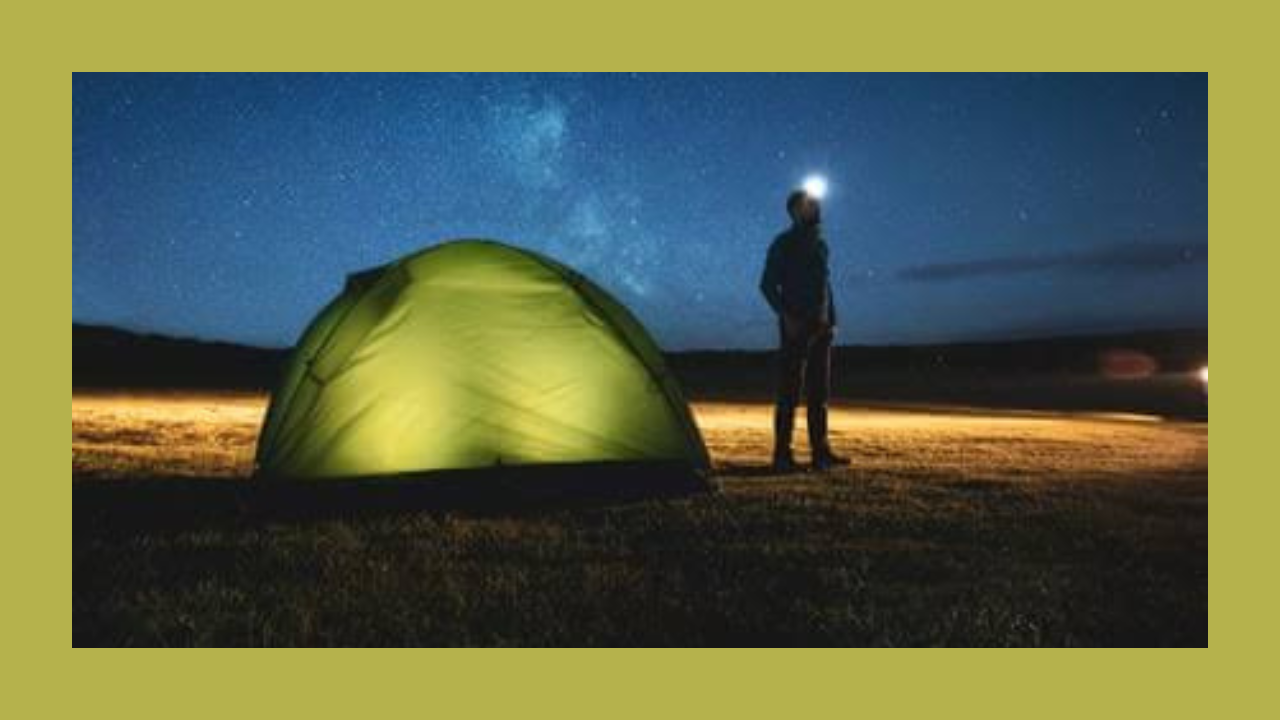
Few things restore the mind like a weekend spent off the grid. You disconnect from screens, sit beside a campfire, and sleep under the stars. But that post-trip serenity often evaporates the second you pull into the driveway on Sunday afternoon.
Opening your vehicle reveals the messy aftermath of an outdoor trip: dusty storage totes, damp sleeping bags smelling of smoke, and a cooler holding melted ice and condiments. Dragging that clutter into your living room creates days of lingering mess and stubborn odors. Resetting your home does not require hours of exhausting chores. With an organized unpacking routine, you can transition from wilderness adventure back to domestic calm in record time.
1. Establish an “Air Lock” Staging Zone Before Entering
Unpack your vehicle into an exterior transition zone like a garage, porch, or driveway to keep dirt, pine needles, and trail grit out of your home.
Carrying gear straight indoors scatters gravel across rugs and embeds smoke into upholstery. Set up a dedicated camping gear staging area on your garage floor or patio.
Sort items into four simple piles:
- The Wash Zone: Dirty clothes, socks, towels, and sleeping bag liners.
- The Air-Out Zone: Tents, rainflies, sleeping pads, and tarps.
- The Kitchen Zone: Camp stoves, cookware totes, jugs, and coolers.
- The Storage Zone: Clean dry goods, lanterns, chairs, and headlamps.
Sorting gear outside keeps your living room pristine and cuts cleanup time in half.
2. Triage Camp Laundry and Protect Household Washing Machines
Vigorously shake out camp clothing outdoors to dislodge grit, pebbles, and pine needles before washing, and divide heavy sleeping gear into smaller loads to avoid burning out your washing machine.
Post-camping laundry is exceptionally hard on appliances. Fabrics carry fine silt, sand, ash, and sticky pine sap. Dumping mud-caked pants or heavy canvas sleeping bags directly into a washer damages internal components. Coarse sand abrades pump seals, while pebbles trapped in pockets chip drum fins or clog drain filters.
Turn pockets inside out and shake garments in the yard before washing. For heavy items like sleeping bags, fleece blankets, and thick towels, run smaller, balanced loads. Overloading a drum during high-speed spin cycles strains drive belts and knocks suspension springs out of alignment.
If your washer begins shaking violently, failing to drain, or screeching after tackling rugged loads, prompt appliance repair in Syracuse, UT ensures clogged pumps and strained motor assemblies are serviced before a minor issue causes motor failure.
3. Dry and Inspect Tents and Tarps to Stop Mildew
Pitch or hang your tent in a well-ventilated area for 24 to 48 hours, even if it seemed dry at the campsite, to ensure zero ambient moisture remains trapped in the fabric.
Trapped moisture destroys outdoor gear. Morning dew, ground dampness, and condensation leave microscopic droplets clinging to synthetic nylon and waterproof coatings. Packing a damp tent into a tight stuff sack creates an incubator where mildew forms within 24 to 48 hours, permanently degrading waterproof seam taping and leaving an odor that never washes out.
Make tent mold and mildew prevention non-negotiable. Pitch the tent on your lawn or drape it over patio chairs or a garage clothesline. Sponge away mud along the floor using warm water and non-detergent soap, then let it air-dry completely until crisp before packing it loosely into its storage bag.
4. Deep-Clean and Prop Open Food Coolers Immediately
Empty melting ice water, scrub internal surfaces with mild dish soap and warm water, and store the cooler with its lid propped open to prevent sour bacterial odors.
A closed cooler holding leftover food moisture quickly breeds bacteria and mold. Many campers drain melted ice, latch the lid shut, and stash the cooler in a closet, only to discover black mold spots and a sour stench weeks later.
Drain the cooler completely outdoors. Wash the interior with warm water, mild soap, or diluted white vinegar to clear spills. Wipe down the rubber gasket where moisture hides, and towel it dry. Store the cooler with the lid propped open slightly so continuous airflow prevents mildew.
5. Banish Stubborn Campfire Smoke and Odors
Eliminating deep campfire smoke from laundry requires adding a cup of distilled white vinegar or baking soda to your wash cycle rather than masking scents with artificial perfumes.
Campfire smoke consists of microscopic carbon particles and wood oils that cling to cotton, wool, and fleece fibers. Scented detergent often fails, leaving fabrics smelling like perfume mixed with an ashtray.
When removing campfire smoke odors, pre-soak clothes in warm water with a cup of baking soda before washing. Alternatively, add a cup of distilled white vinegar to the rinse cycle to neutralize smoke oils without harming technical fabrics. For smoky canvas chairs and backpacks, an afternoon in direct sunlight lets UV rays eliminate stubborn odors naturally.
6. Clean, Restock, and Seal Your Camp Kitchen Box
Wash camp cookware thoroughly, dry cast iron over heat, and restock depleted staples so your camp kitchen is completely prepared for the next departure.
Grease, food residue, and ash left on camp cookware attract pests to storage shelves. Wash mess kits, cutting boards, and utensils in hot, soapy water immediately.
If you cooked with cast iron over the fire, scrub away soot, heat the pan on your indoor stovetop for five minutes to evaporate moisture, and rub a light layer of oil across the surface to stop rust. Before packing your kitchen tote, toss opened perishable food and replenish essentials like matches, trash bags, and cooking oil.
7. The Sunday Night 15-Minute Triage Checklist
When exhaustion hits on Sunday evening, execute a short, essential triage list so you can shower, sleep, and finish detailed unpacking during the week without guilt.
You do not have to finish every chore before bed. If fatigue takes over, execute this rapid 15-minute shutdown:
- Unpack perishables: Empty food items from coolers into your refrigerator or trash.
- Hang damp gear: Pull out tents, sleeping bags, and rain jackets and hang them over doors or rafters.
- Isolate dirty clothing: Move camp laundry straight to the utility room rather than leaving it in bags.
- Lock the rest in the garage: Leave non-perishable totes, dry gear, and chairs stacked in the staging zone.
Handling moisture and food risks immediately protects your gear, keeps your home clean, and lets you enjoy a hot shower and restful sleep.
Returning from a wilderness escape does not have to mean surrendering your home to clutter, smoky smells, and muddy chaos. By establishing an exterior staging zone, handling laundry and appliances with care, and ensuring damp gear has time to breathe, you protect both your home and your outdoor investments. A structured reset process preserves the memories of your adventure while ensuring your living space remains the clean, restful sanctuary you love coming home to.
Visit More : widemagazine.co.uk
