
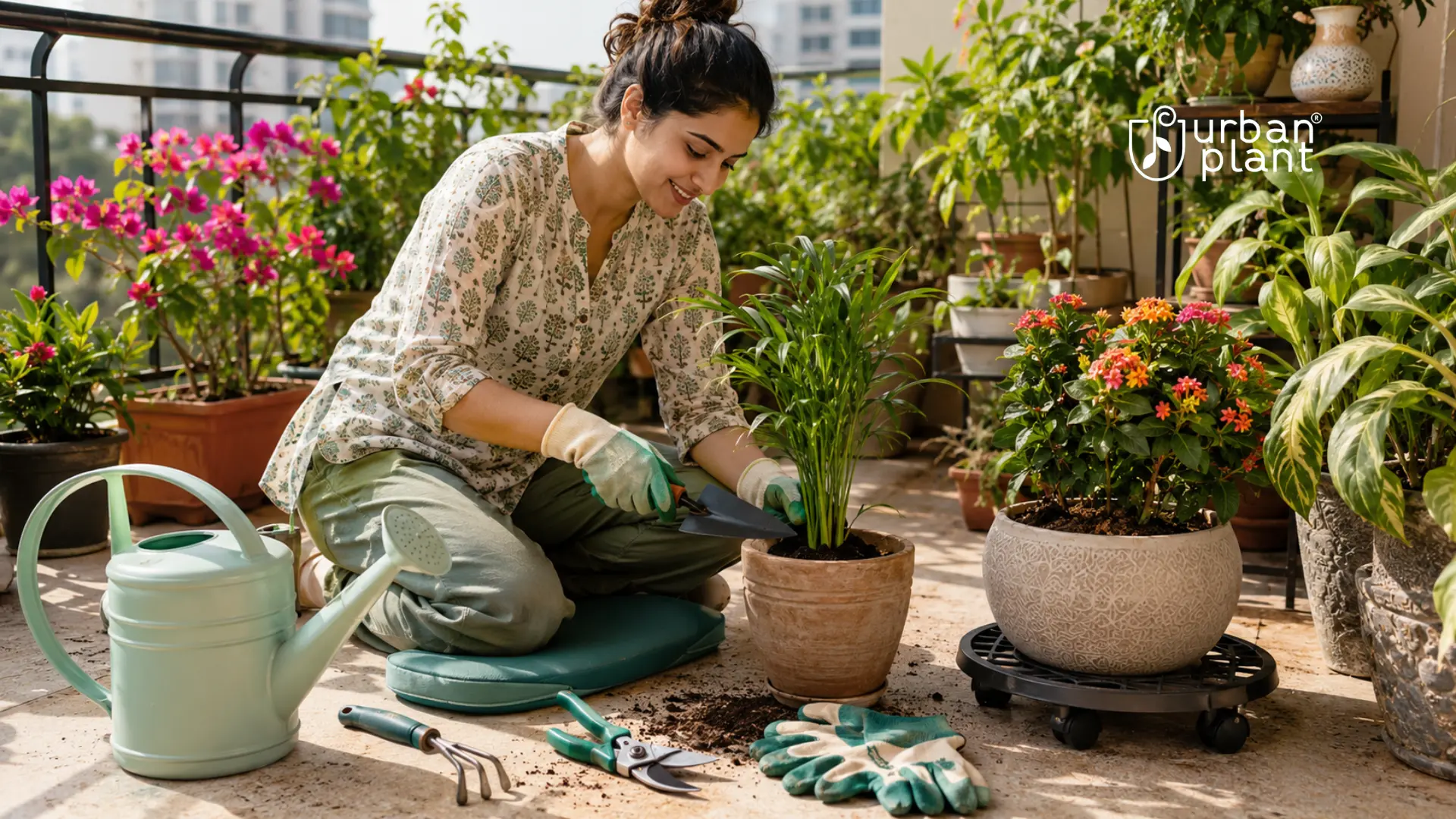
Gardening is deeply therapeutic, offering fresh air, physical activity, and the simple joy of watching life sprout from soil. However, for millions of adults managing arthritis, joint stiffness, or chronic inflammation, an hour of weeding can quickly turn into days of wrist, knee, or lower back pain.
The good news is that caring for a garden does not require sacrificing your joints. By modifying your techniques, adapting your garden layout, and choosing the right tools, you can continue enjoying your garden with minimal physical strain.
What Causes Joint Pain During Gardening?
Featured Snippet Answer: Gardening causes joint pain primarily through repetitive motion, prolonged bending or kneeling, and heavy lifting. These actions place excessive mechanical stress on the small joints in the hands and wrists, as well as the knees, hips, and lower spine.
When you bend down to pull weeds or dig into compacted soil, your spinal discs and knee joints absorb a significant amount of weight in compromised positions. Standard garden hand tools often feature narrow handles that require a tight, continuous pinch grip, leading to strain in the fingers, wrists, and elbows.
Additionally, systemic health factors can influence how your joints respond to physical activity. Inflammation isn’t always caused by strain alone—internal factors like thyroid changes or needing hormone imbalance help in Glenview can affect joint cartilage, fluid retention, and overall systemic inflammation, making joints more sensitive to everyday repetitive strain. Recognizing how both internal health and external mechanics impact your body allows you to take proactive steps toward pain-free gardening.
Elevate Your Beds to Reduce Bending and Kneeling
Featured Snippet Answer: Elevating your garden using raised beds, tall containers, or vertical planters eliminates the need to bend over or kneel, transferring garden work to a comfortable sitting or standing waist height.
Bending down to ground level puts immense pressure on your lower back and knees. Redesigning your physical garden space to bring the soil to you is one of the most effective long-term adaptations you can make.
Design Considerations for Joint-Friendly Garden Beds
- Optimal Height: Build raised beds between 24 and 36 inches tall if you prefer working while seated, or waist-height (around 36 to 42 inches) if you prefer standing.
- Bed Width: Limit raised bed widths to 3 to 4 feet if accessible from both sides, or 2 feet if accessible from only one side. This ensures you can reach the center without overextending your shoulders or leaning forward.
- Ledge Ledges for Seating: Build a sturdy 6- to 8-inch flat wooden rim along the edge of your raised bed to serve as an integrated bench.
- Vertical Gardening: Use wall-mounted planters, trellis systems, or hanging baskets with pull-down pulley systems to grow vine crops like tomatoes, cucumbers, and peas at eye level.
Choose Ergonomic and Weight-Reducing Tools
Featured Snippet Answer: Ergonomic gardening tools feature thick, non-slip grips, angled handles, and leverage-assisted mechanisms that reduce the manual force required by your wrists, hands, and shoulders by up to 50%.
Traditional tools force your wrist into awkward, bent positions while requiring high grip strength. Upgrading a few core tools dramatically lowers the strain on your small joints.
| Tool Type | Traditional Feature | Joint-Friendly Ergonomic Alternative |
| Pruners | Standard squeeze grip | Ratchet pruners (cuts in easy stages) or rolling-handle pruners |
| Hand Trowels | Straight handle | His-and-hers angled handle (keeps wrist in neutral position) |
| Watering | Heavy 2–3 gallon cans | Expandable lightweight hose or automated drip irrigation system |
| Weeding | Manual hand puller | Long-handled stand-up weeding tool with foot-lever mechanism |
Myth vs. Fact: Garden Tool Selection
- Myth: Heavier, solid-steel tools are always better because they do the work for you.
- Fact: While heavy steel is durable, swinging or lifting heavy tools fatigues joint-supporting muscles quickly. Modern composite, aluminum, or titanium tools offer structural strength at a fraction of the weight.
Modify Your Physical Techniques and Posture
Featured Snippet Answer: Protect your joints while gardening by maintaining a neutral spine, using your larger muscle groups (legs and core) instead of your back or wrists, and regularly changing positions every 15 to 20 minutes.
How you move in the garden matters just as much as the tools you use. Small adjustments in your body mechanics prevent acute fatigue and long-term joint wear.
Core Movement Rules for Gardeners
- Keep Work Close to Your Body: Avoid reaching out with fully extended arms while holding tools or plants. The further an object is from your center of gravity, the more leverage force it applies to your shoulder and back joints.
- Hinge at the Hips, Not the Spine: If you must reach down, keep your back flat and hinge forward from your hips, or descend into a partial squat using your thigh muscles (quadriceps) rather than rounding your back.
- Use Two Hands for Heavy Tasks: Always hold pots, bags of soil, or watering cans with both hands to distribute the load evenly across both shoulders and sides of the spine.
- Sit Instead of Kneeling: Swap hard kneeling pads for a rolling garden scooter or a stable, padded garden bench with sturdy handles that assist you when standing up.
Create a Micro-Pacing Strategy
Featured Snippet Answer: Micro-pacing involves breaking gardening tasks into 15- to 20-minute intervals interspersed with short rest breaks or task switches to prevent repetitive strain on specific joint groups.
Overuse injuries happen when the same joint performs the exact same repetitive motion for extended periods. When you spend two uninterrupted hours shearing a hedge or pulling weeds, the surrounding tendons and joints take the brunt of the exertion.
A Joint-Friendly 1-Hour Gardening Schedule
- 00:00–00:10: Light movement warm-up (shoulder rolls, gentle wrist circles, light walking).
- 00:10–00:25: Task A: Pruning bushes using ratchet shears (focus on hand/wrist movement).
- 00:25–00:30: Hydration and rest break; stretch fingers and shoulders.
- 00:30–00:45: Task B: Stand-up weeding or potted plant watering (focus on standing/core movement).
- 00:45–00:50: Rest break; sit in the shade.
- 00:50–01:00: Task C: Light harvesting or seed sowing at raised bed height.
Common Mistakes to Avoid in the Garden
- Gardening Cold: Diving straight into heavy digging without warming up cold muscles and joints increases stiffness and injury risk. Spend five minutes walking around your yard or stretching gently before picking up a tool.
- Ignoring Early Pain Signals: Working through sharp or throbbing joint pain causes acute tissue inflammation. Pain is your body’s signal to change position, switch tools, or stop for the day.
- Carrying Bags of Soil: Dragging or lifting full 40-pound bags of topsoil or mulch is a major source of back and hip injuries. Ask your garden center to split soil into smaller containers, or use a wheelbarrow, garden cart, or sled to transport materials.
- Forgetting Accessibility Paths: Garden beds without smooth, stable pathways make moving tools or seats difficult. Lay down wide, flat paving stones or compacted gravel pathways wide enough for carts or walkers.
Key Takeaways
Gardening does not have to be a source of physical pain or joint strain. By making intentional changes to your space and habits, you can protect your body while maintaining a vibrant garden:
- Bring the garden to your height using raised beds, tall containers, and vertical trellises.
- Replace high-friction tools with ergonomic, lightweight, ratchet-assisted options that protect your wrists and hands.
- Use large muscle groups for lifting, avoid overreaching, and switch positions every 15 to 20 minutes to prevent repetitive stress.
- Listen to your body and pace your activities so that time spent in the garden leaves you feeling invigorated rather than exhausted.
Visit More : widemagazine.co.uk
